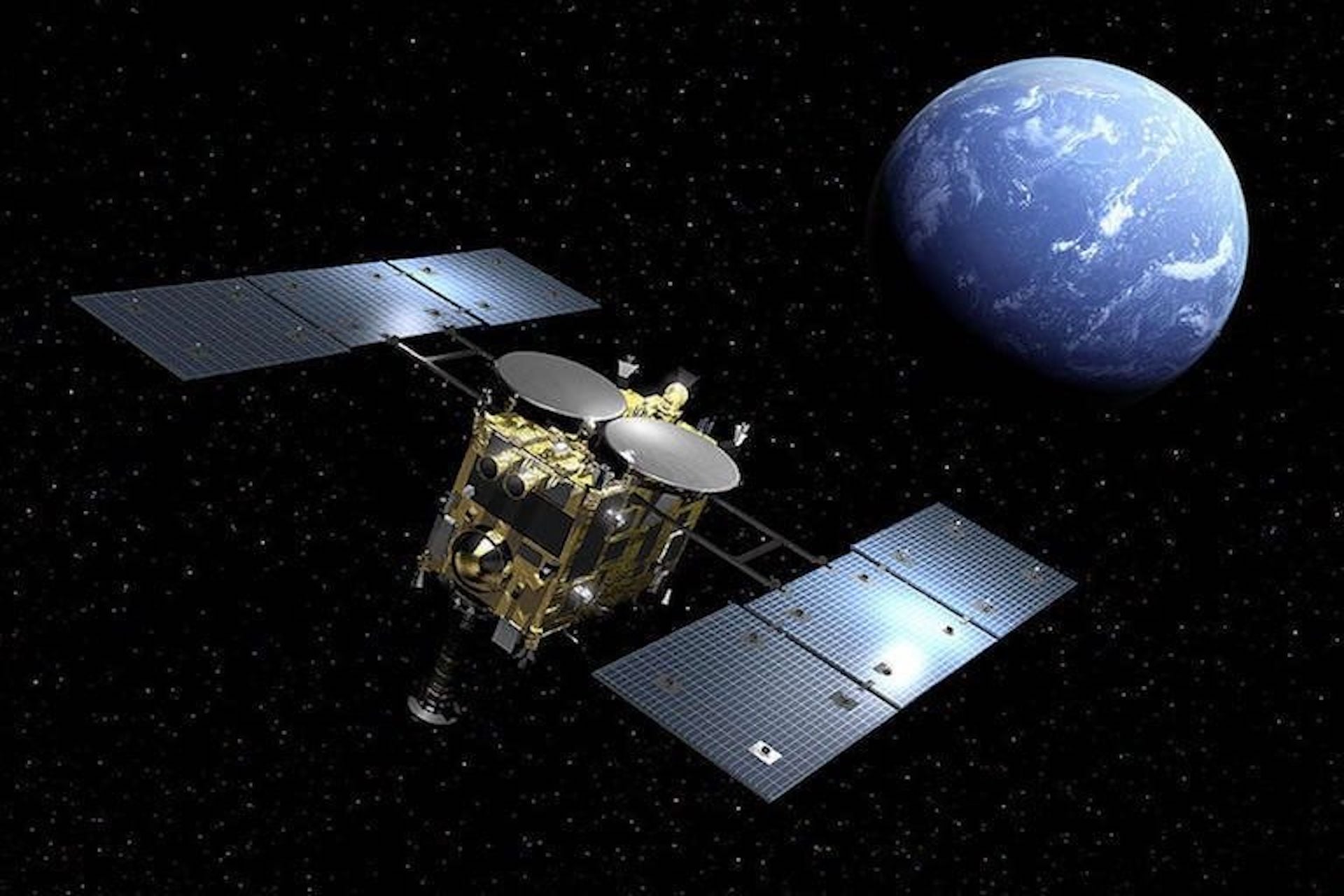
On December 6, 2020, Japan’s Hayabusa2 probe dropped off samples from asteroid Ryugu in the Australian outback before beginning a second journey toward a smaller space rock. The spacecraft’s extended mission is currently in jeopardy, however, as it continues to fly way past its operational life.
Hayabusa2’s last remaining ion engine broke down, threatening its ability to reach asteroid 1998 KY26 in 2031, Jiji reported via The Japan Times. To help Hayabusa2 reach its second target, engineers at the Japan Aerospace Exploration Agency (JAXA) will attempt to use parts from two other ion engines on the spacecraft that had failed earlier.
The same technique was used during the first Hayabusa mission, which returned dusty samples from asteroid Itokawa in 2010.
Asteroid rendezvous
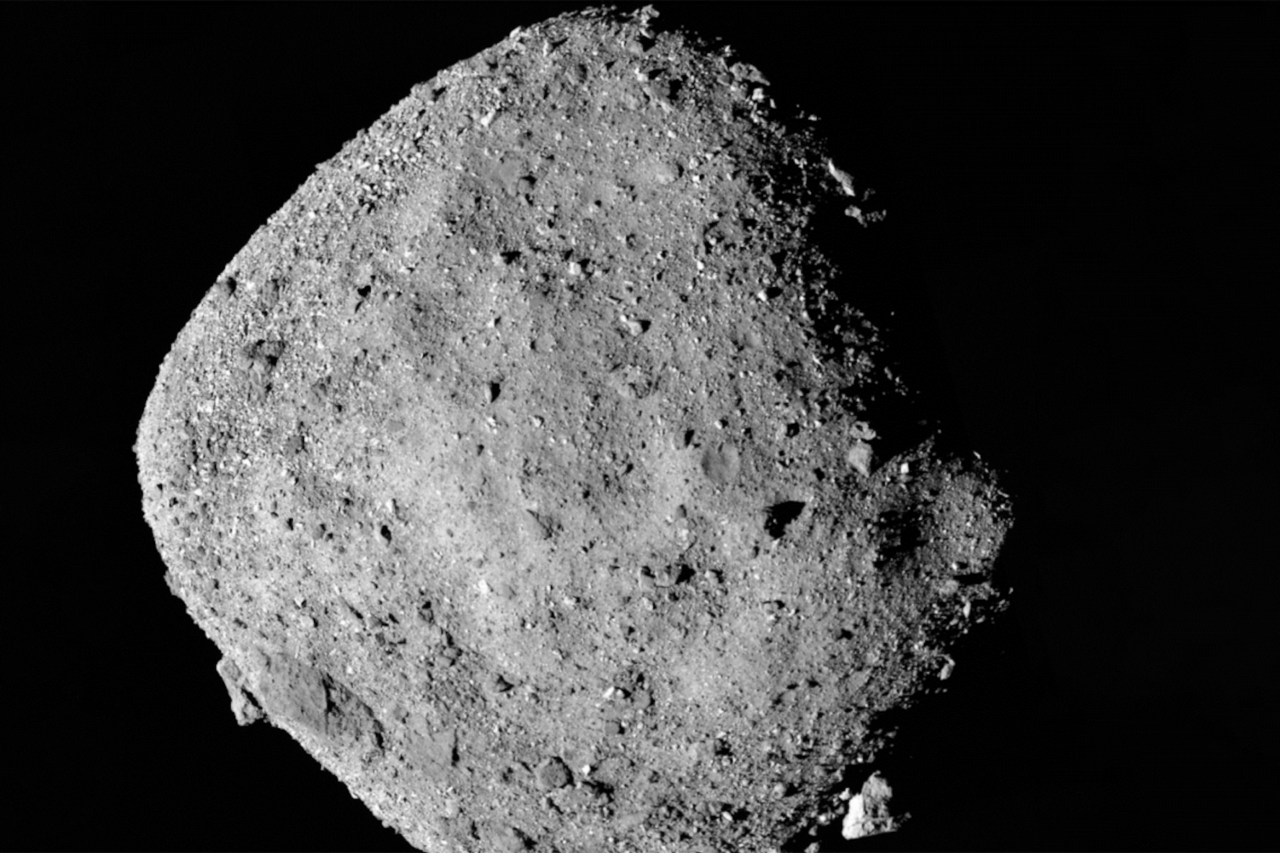
Hayabusa2 has already had quite the journey. The spacecraft launched in December 2014 to collect samples from asteroid Ryugu. After arriving at the asteroid in June 2018, Hayabusa2 retrieved a sample from beneath the asteroid’s surface by firing an impactor to create an artificial crater.
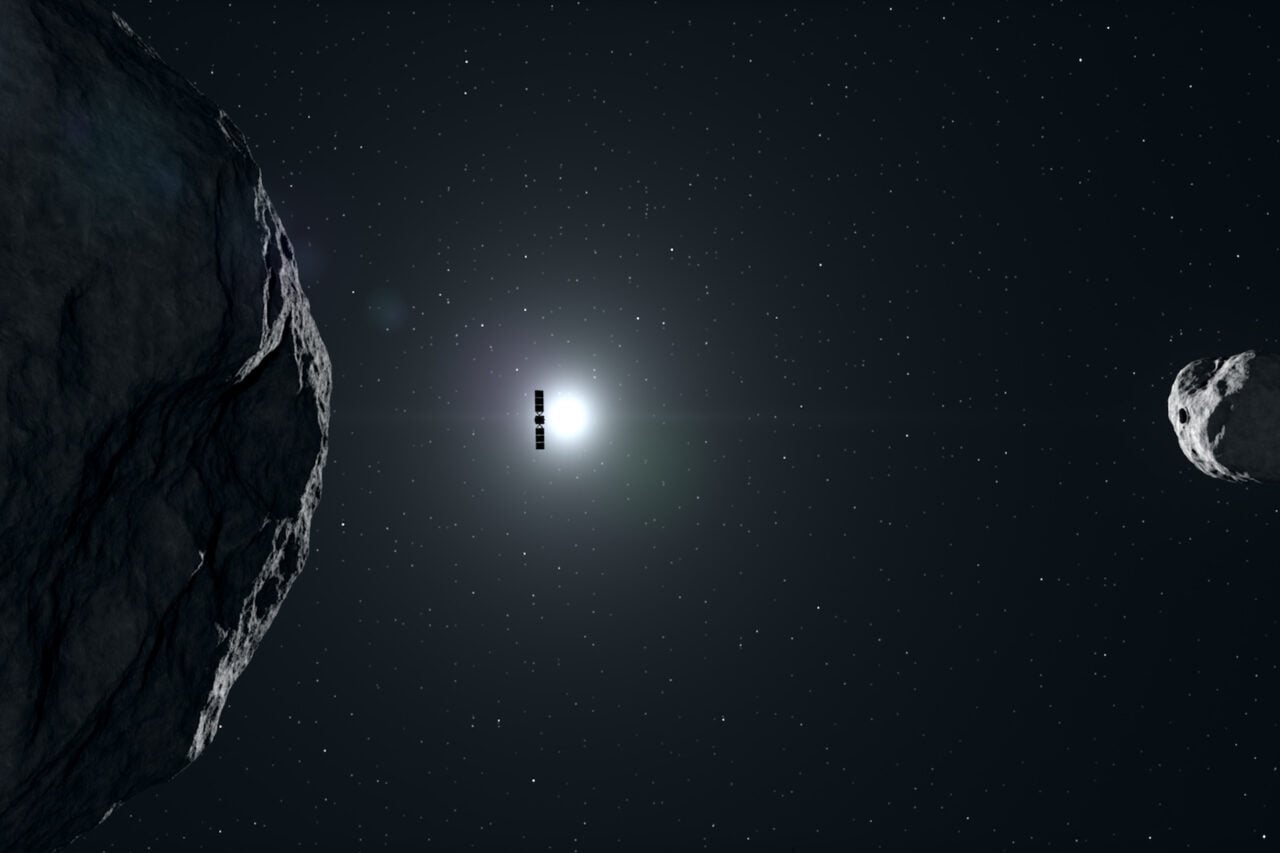
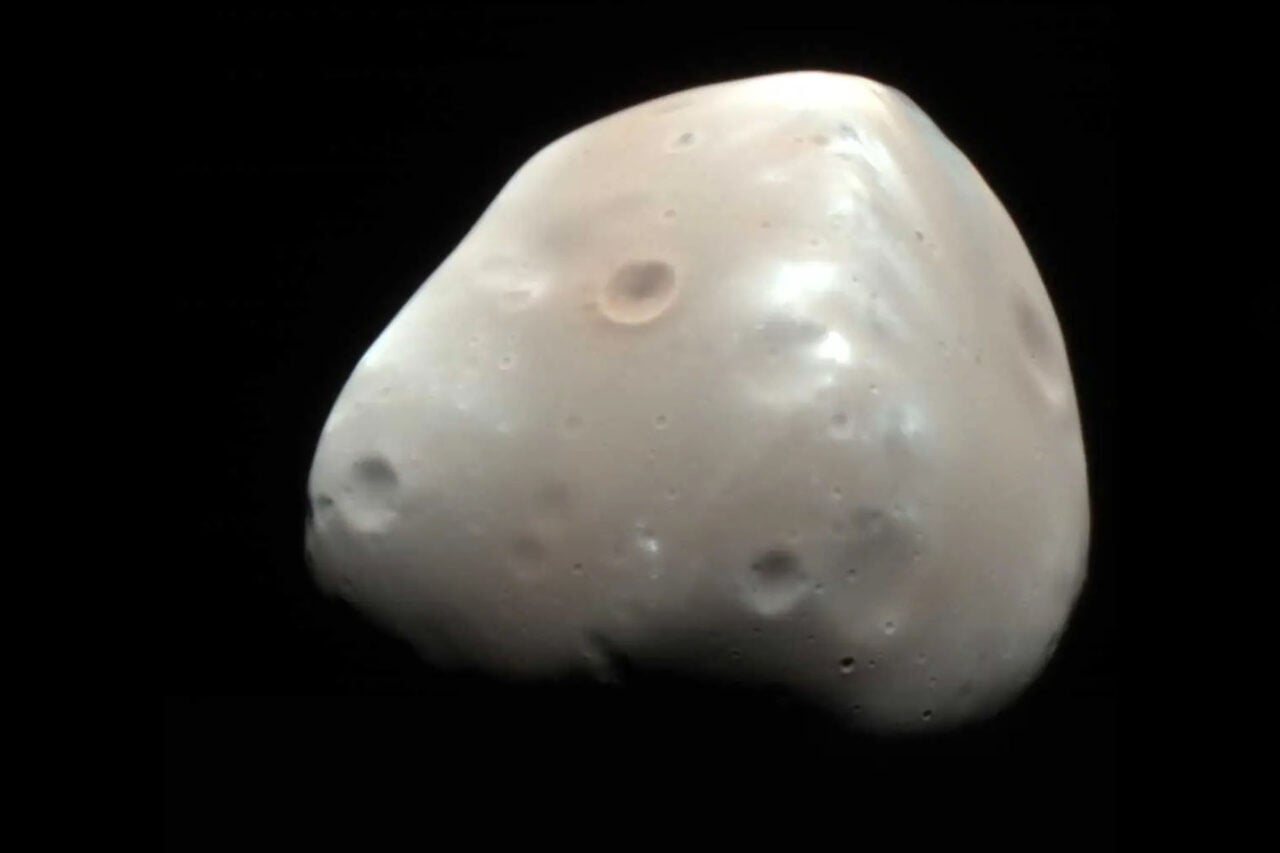
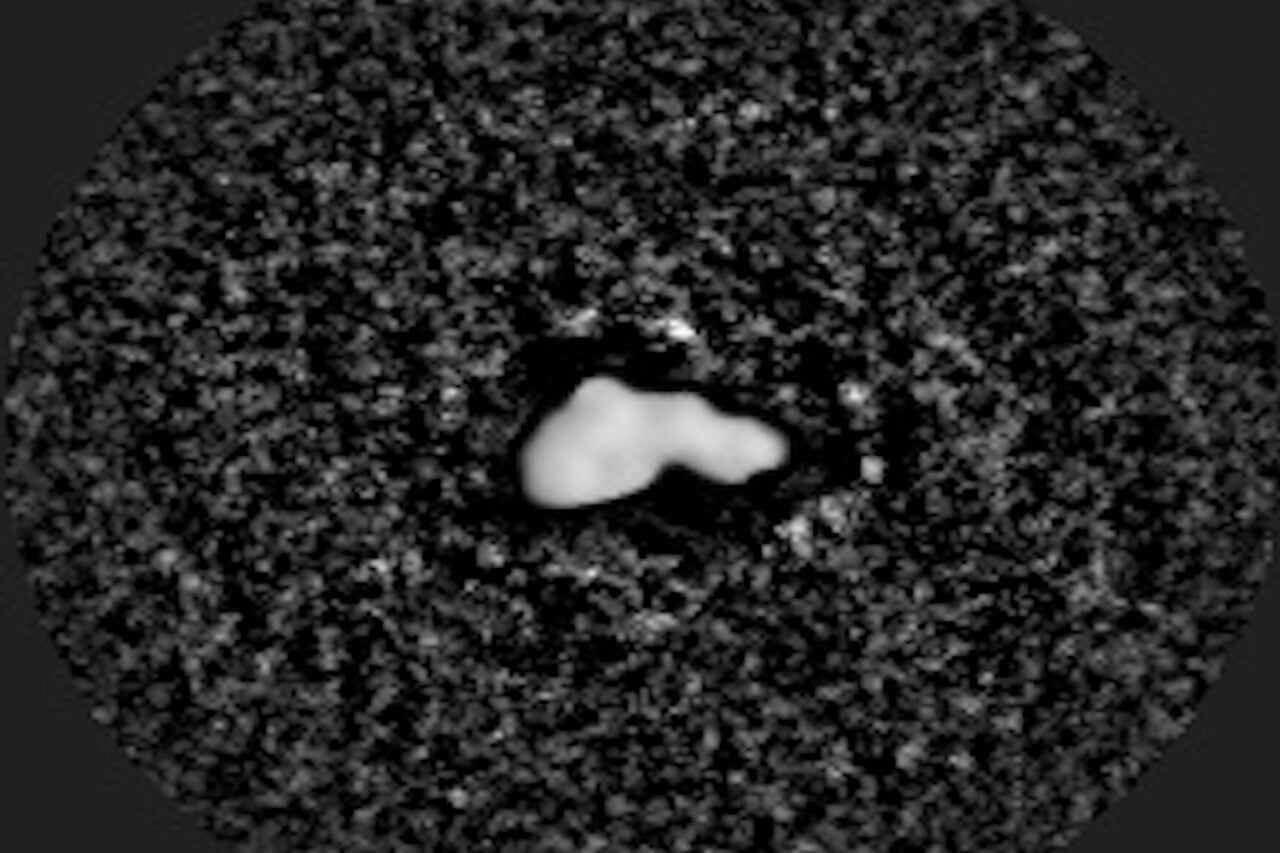
Shortly before dropping off its samples on Earth, JAXA announced an extension to Hayabusa2’s mission to a lucky second target. Asteroid 1998 KY26 is a small, lumpy near-Earth object thought to contain about a million gallons of water. It rotates so quickly that a day on the rock ends almost as soon as it begins, according to NASA.
Just a few years shy of reaching its new target, Hayabusa2 is struggling to make it.
Engine swap
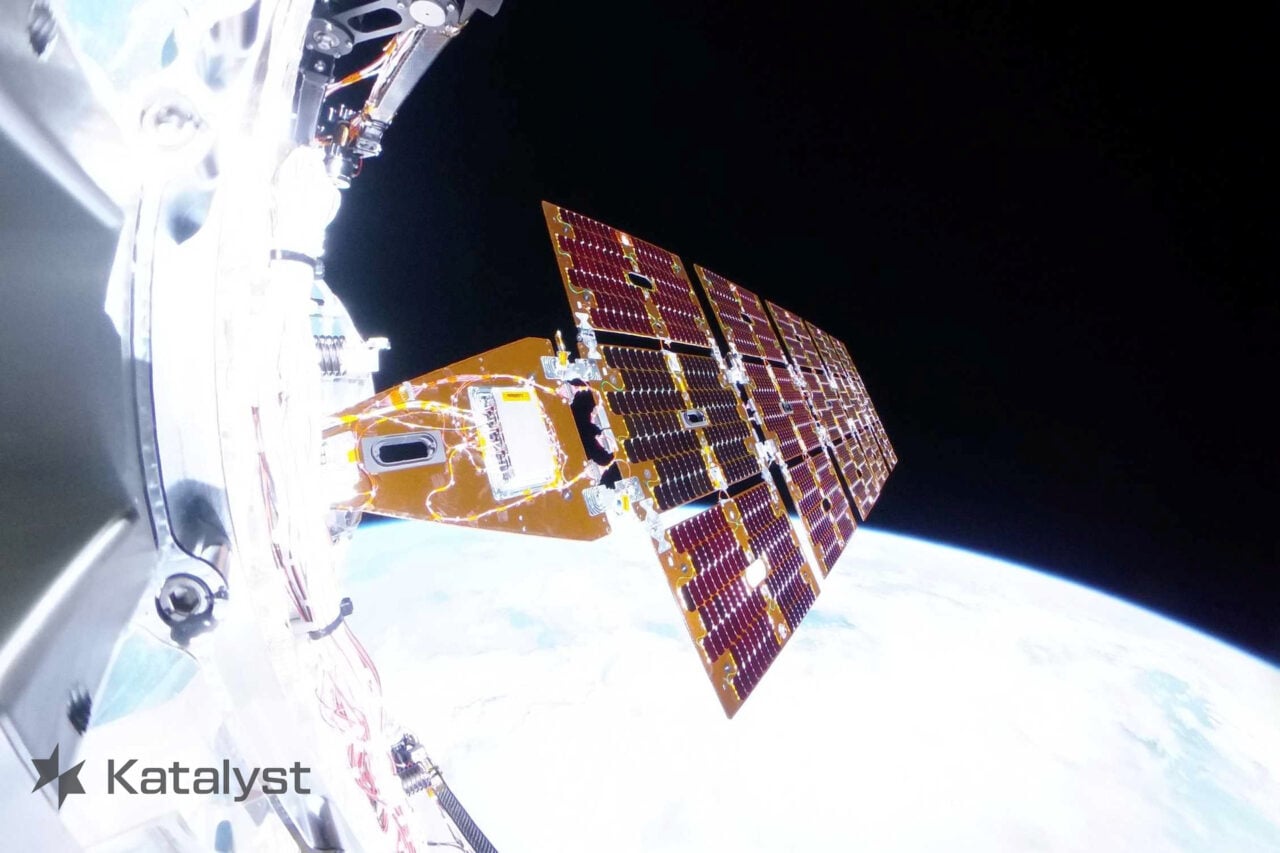
The spacecraft uses four microwave discharge xenon ion engines, designated A, B, C, and D. Each engine is equipped with an ion source and a neutralizer, which operate simultaneously to power the spacecraft.
Three of the engines, A, C, and D, have already degraded or malfunctioned over the years. Engine B was mostly preserved during the spacecraft’s trip to asteroid Ryugu so that it can be used during its extended mission. But the spacecraft’s last operational engine reportedly broke down in mid-August, and a closer examination later revealed that its ion source failed while its neutralizer was still operational, according to The Japan Times.
While engines C and D lost their neutralizer, their ion sources are still functional. JAXA engineers will therefore attempt to rewire the circuitry to pair the still-functioning neutralizer of Engine B with the healthy ion source of Engine D.
The space agency plans on restarting the engine as early as late October. If the engine fix proves successful, it’s not yet certain whether Hayabusa2 will be able to reach its target depending on the degree of the spacecraft’s deterioration.
Things may be looking grim for Hayabusa2 now, but lessons from its predecessor could help the spacecraft keep going. During its trip to asteroid Itokawa and back, multiple neutralizers and ion sources failed on the Hayabusa spacecraft. Using the same technique, engineers were able to create a hybrid operational engine to help the spacecraft return the samples to Earth.