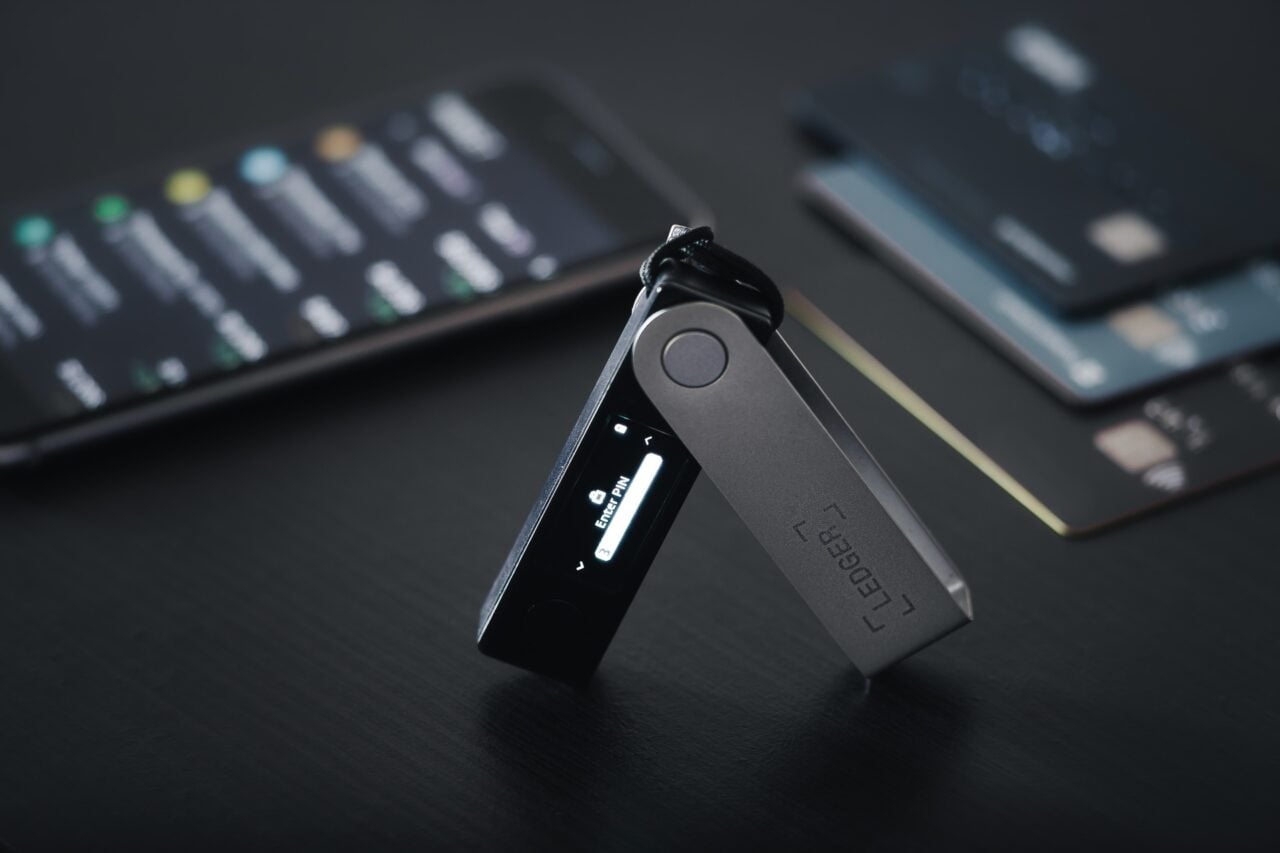
Crypto hardware wallet manufacturer Ledger is still dealing with a supply chain attack on its devices that on-chain analytics firm Bitquery has now tied to $102 million taken from 324 wallets, though Ledger has not confirmed that figure. But that isn’t stopping the company from unveiling a new device that looks and acts a lot like a traditional Android phone, with a variety of security-focused alterations.
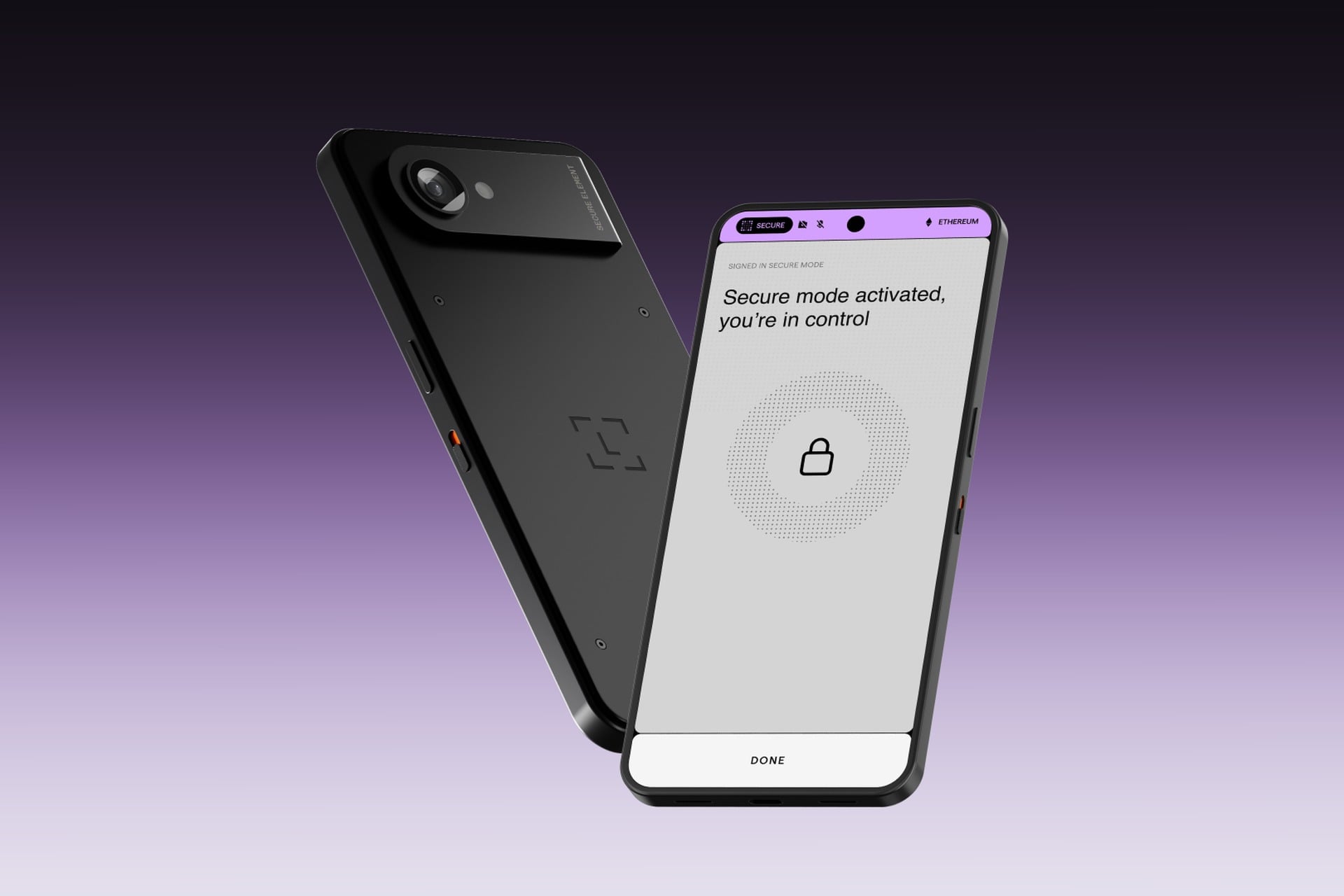
The Ledger Atom, announced on Thursday, comes with a secure chip that controls the screen, a physical privacy switch, and built-in controls for AI agents. It is scheduled to start shipping next summer, with a Founders Edition priced at $849 and a regular price of $899 after launch. Buyers can reserve one today with a $100 refundable deposit.
Today marks a new chapter for @Ledger. We’re introducing Ledger Atom™️, a security and privacy device built to protect everything you value.
Ledger Atom runs your everyday apps, with a secure chip, a secure screen, and Ledger OS™️ for the moments that matter. Your money. Your… pic.twitter.com/63uOvHsYpO
— Pascal Gauthier @Ledger (@_pgauthier) October 15, 2026
Ledger CEO Pascal Gauthier pitched the device on X as something much bigger than a place to store crypto keys. “Ledger Atom runs your everyday apps, with a secure chip, a secure screen, and Ledger OS™ for the moments that matter,” Gauthier wrote. “Everything important to you, secured by Ledger.”
What’s under the hood
On paper, the Atom reads like a midrange phone. It has a 6.77-inch AMOLED display that only runs at 60Hz, a Qualcomm Dragonwing chip rather than a Snapdragon, a 50MP rear camera, a 4,000mAh user-replaceable battery, and a fingerprint sensor, according to a writeup from The Verge. It connects to 4G and 5G networks through an eSIM for data only, so it can’t make or receive regular calls, send SMS messages, or even reach emergency services. “It is not designed to replace your phone,” Ledger says on its website.
Ledger’s head of PR, Phillip Costigan, told The Verge that the company recognized it was unlikely to build a device that could compete with top Android phones on cameras and other specs, so it didn’t try.
The device’s privacy switch physically cuts power to the camera and microphone. When a user does something sensitive, like approving a transaction, the Atom switches into what Ledger calls Secure Mode. Ledger OS, running on a separate secure element chip, takes over the entire screen, and the camera, microphone, and other sensors are turned off.
The rest of the time, the Atom runs normal Android apps, so it’s intended to be useful for more than just crypto applications. Ledger’s website also says a feature coming soon will let users encrypt a message inside a messaging app before sending it, using GPG/OpenPGP, so that only Ledger OS on another Atom can decrypt it. Solana Mobile announced that its Seeker app, which combines the Solana dApp Store and a wallet, will come preinstalled on the device.
Ledger is also leaning into the AI agent hype. Through a new feature called Ledger Agent Intent, agents can propose transactions, but a human has to approve them on a Ledger device. Ledger says Agent Intent will be directly integrated with the AI agent platform OpenClaw, so users can register their OpenClaw agents and authorize their actions on a Ledger device from day one.
Most notably, given the recent and potentially ongoing supply chain attack, the Atom comes with a number of anti-tampering features that Ledger says would have guarded against the implants found in its existing devices. “The Core protection enclosure will explicitly block the screen reader implants from this weekend’s incident,” said a Ledger spokesperson.
That enclosure surrounds the device’s secure element, microcontroller, and FPGA, and it is designed to detect any attempt to drill into or open that area. The Atom can also detect when its display or back cover is removed, and the back cover is paired with each device so it can’t be swapped even with a genuine cover from another Atom. The tamper sensors run on their own battery, so they keep working even when the device is off, and the packaging is designed to show whether it has been opened before it reaches the buyer. According to The Block, Ledger plans to initially sell the Atom only through its own website.
Bad Time for a Product Announcement
Although Ledger says the Atom would help guard against the sort of supply chain attack that has affected the company for an as-yet-undetermined amount of time, the timing of the announcement is still hard to ignore.
The trouble for Ledger started last week, when users’ wallets began getting drained, and reports surfaced that some Ledger devices had been tampered with before they reached customers. Ledger has since confirmed how the attack works. A hidden implant inside the wallet reads the 24-word recovery phrase off the device’s screen during setup and sends it out over a cellular connection. Ledger asked resellers and distributors in Southeast Asia and Hong Kong to suspend sales, and German retail group MediaMarktSaturn pulled Ledger wallets from its shelves.
Ledger has said all confirmed cases involve devices sold through CryptoBilis, a reseller in Southeast Asia. On Wednesday, Ledger’s security team said it inspected devices from retail and distributor stock across Germany and found no sign of tampering. “No loss of funds related to implants has been reported anywhere in Europe,” the company wrote. Ledger added that it had not yet been able to examine the devices shown online and invited their owner to send them in.
Ledger Nano X received from @0xJohannes_ (who bought it from MediaMarkt in Germany) confirmed bugged (he sent another one to @Ledger).
This is not news and action has already been taken, the next question will be to understand how this ended in Germany… pic.twitter.com/UrmqJQwCsp— Mark Karpelès (@MagicalTux) October 15, 2026
However, Mark Karpelès, the former Mt. Gox CEO who has been enjoying a bit of a redemption arc throughout this entire episode, said Thursday morning that he had confirmed an implant in a Ledger bought at MediaMarkt in Germany. “Ledger Nano X received from @0xJohannes_ (who bought it from MediaMarkt in Germany) confirmed bugged (he sent another one to @Ledger),” Karpelès wrote. Ledger has not yet said whether it has examined the specific device allegedly sent to its team. Karpelès has put together a public database of the implants he has seen and confirmed.
Ledger is also facing increasing criticism over what it did amid warning signs before the thefts began. Hardware hacker Joe Grand gave a conference talk tearing down an implant found in a counterfeit Ledger Nano X that first surfaced in an August 2025 Reddit post. “Ledger was warned last March about implants by hardware hacker @joegrand but apparently did little because no one had yet used implants to steal crypto,” security journalist Kim Zetter wrote.
Ledger was warned last March about implants by hardware hacker @joegrand but apparently did little because no one had yet used implants to steal crypto. That changed last wk with the heist of hundreds of accounts. There is evidence stolen seeds were sent to servers in Hong Kong https://t.co/UIQgeTcs9U
— Kim Zetter (@KimZetter) October 13, 2026
Crypto educator Tai Zen claims he sent multiple compromised Ledgers to the company’s security team as far back as January. He hasn’t published photos to back that up, but longtime bitcoin trader Tone Vays has vouched for his account. “My friend @HeyTaiZen discovered this like 6 months ago, he called me about it back in August or early September and was complaining how @Ledger is ignoring his findings as he did his best to warn the company,” Vays wrote.