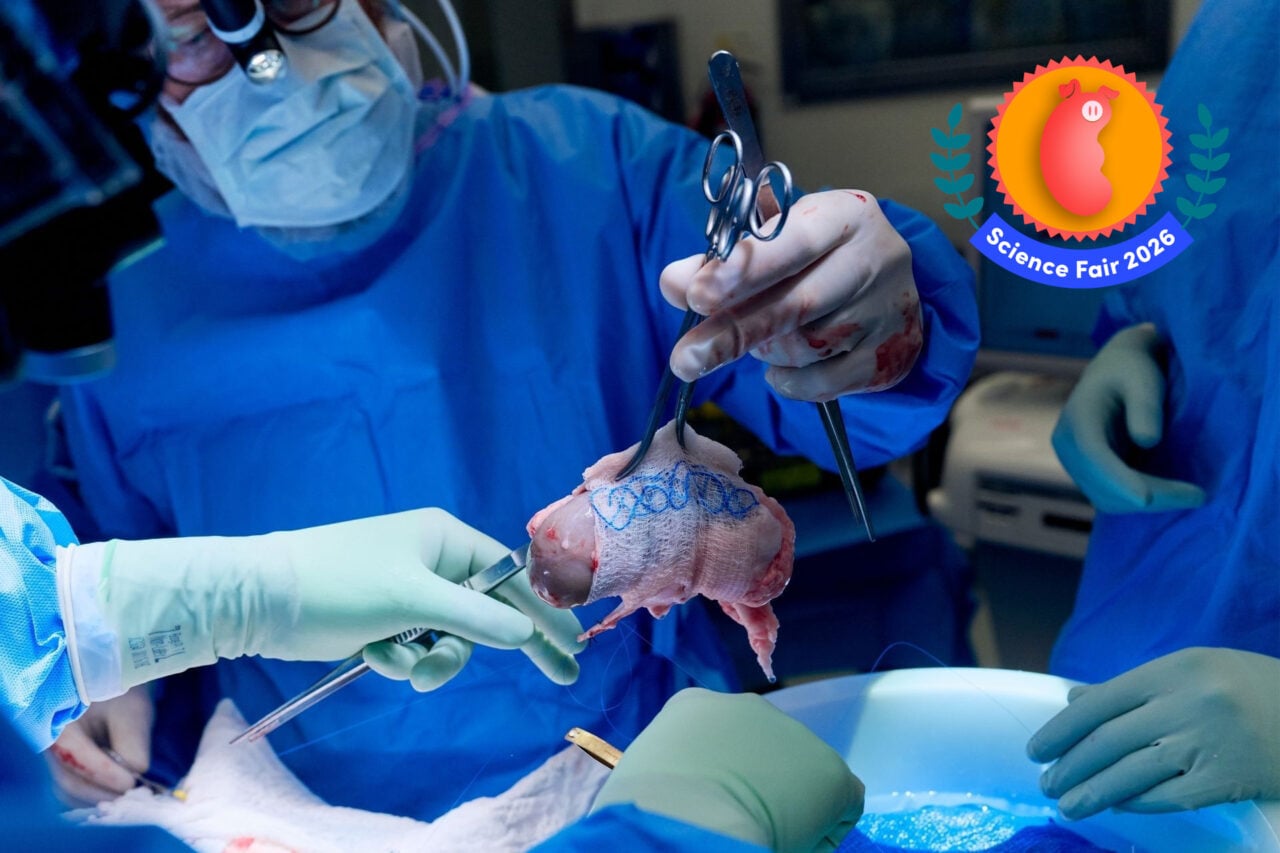
A small clinical trial out today might offer a sneak preview of a promising medical advance: organ transplants without the need for lifelong anti-rejection drugs.
Doctors at the University of Pittsburgh tested out whether a novel technique could train people’s immune systems to completely accept a donated liver. Several people given the treatment were able to stop taking immunosuppressant drugs and stay off them for at least three years, the trial showed. Though only preliminary, this work might lead to a much more convenient future for some organ recipients, the researchers hope.
“We demonstrate that a single… infusion in adult [living-liver donor transplantation] recipients is feasible and safe,” they wrote in their paper, published Friday in Nature Communications.
The holy grail of transplant medicine
As life-saving as a donated organ can be, it takes a toll on the recipient’s body. One major reason why is the constant need for drugs that blunt the immune system’s intolerance of the foreign organ. These drugs not only weaken people’s defenses against infection, they also tend to steadily harm other parts of the body. And even with medication, people’s donated organs still experience gradual damage from the immune system, often leading to eventual failure.
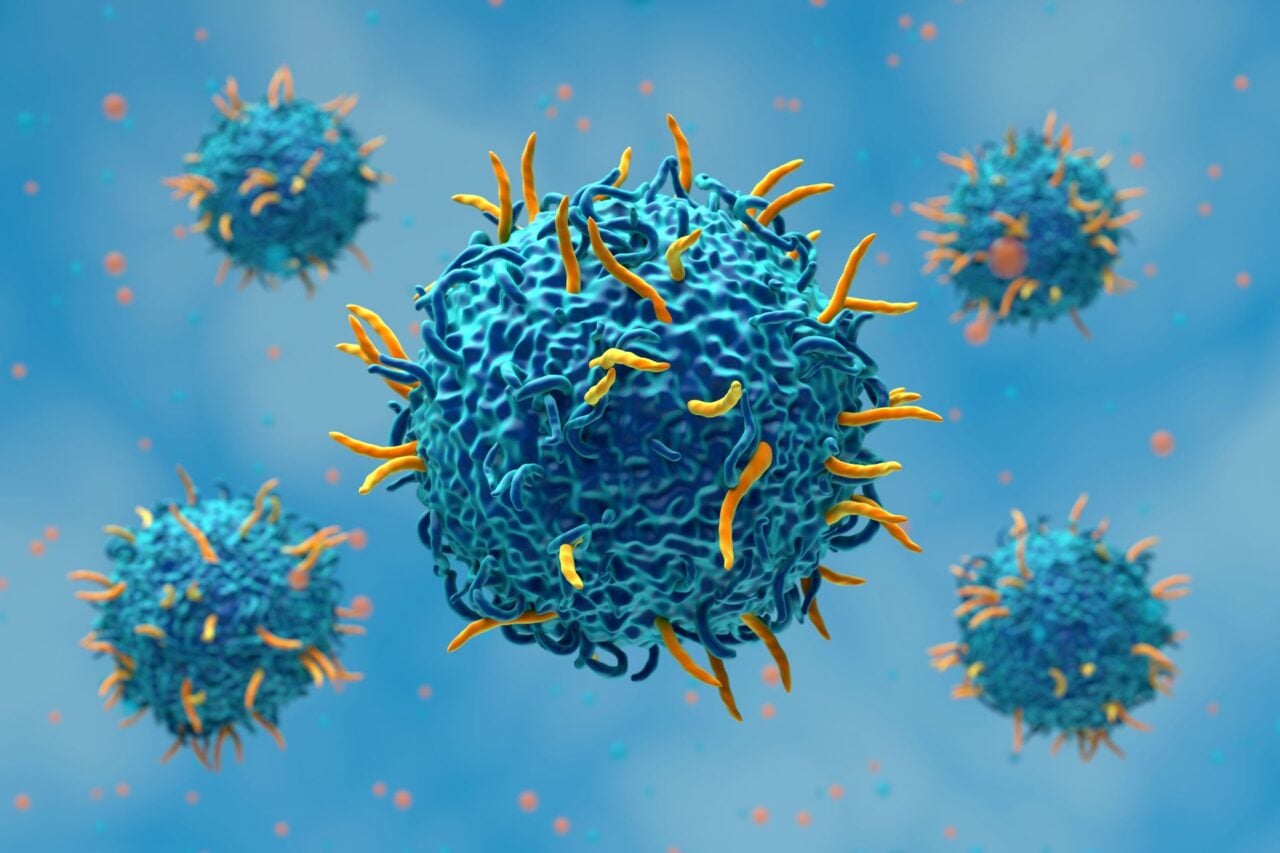
It’s no surprise then that scientists have long searched for better ways to minimize or fully eliminate the risk of organ rejection. This latest research revolves around regulatory dendritic cells. These cells can communicate with other immune cells to tamp down the immune system’s response to antigens when needed (such as for antigens produced by the body).
The study team theorized that exposing an organ recipient to these cells from their donor prior to a transplant could effectively prime the former’s immune system to accept the donated organ. They decided to work with living liver transplant patients for this trial, since livers tend to be better tolerated by the host’s immune system in general, according to the researchers. Livers are also one of the few organs that can be donated while living, since they can regenerate even if a piece of them is removed.
The trial involved 13 liver transplant recipients. Each were given a dose of their donor’s regulatory dendritic cells (derived from other white blood cells) a week before their transplant. They were placed on conventional anti-rejection therapy, then monitored over the next year. A year later, the researchers tried to wean eight recipients off these drugs, since their immune systems showed signs of strong tolerance to the new liver.
Of these eight, four were able to stop taking their immunosuppressant drugs completely, though one eventually had to go back on them. The other three stayed drug-free until the end of the study, for an average length of three years, while their health remained stable.
Even today, the researchers noted, a small percentage of liver recipients are lucky enough to eventually not need anti-rejection therapy, around 13% to 16%. But the team’s experimental therapy seemed to boost that success rate up to 37.5%.
What comes next
The authors are quick to admit that their research is still in its early days, and that more work will be needed to confirm the therapy’s effectiveness. Ideally, that will include studies that directly compare the therapy to standard care.
But the researchers are optimistic that regulatory dendritic cells are a viable approach to improving the immune tolerance and long-term survival of donated organs. And they’re already looking to test other ways to improve the therapy’s success, such as using different immunosuppressant drugs at first that might play nicer with these cells, or changing up when the cells are given to recipients.
“While we haven’t hit a home run yet, we’ve definitely gotten on base by reliably and safely removing immunosuppression early after transplantation from a significant percentage of patients, which is a huge breakthrough,” said first author Abhinav Humar, chief of the Division of Transplantation at the University of Pittsburgh Medical Center, in a statement from the university.
Research teams elsewhere are working on their own methods for eliminating organ rejection. And while some of these projects will inevitably come up short, it’s certainly possible that organ donation could become a much safer and less cumbersome hassle in the not-too-distant future.