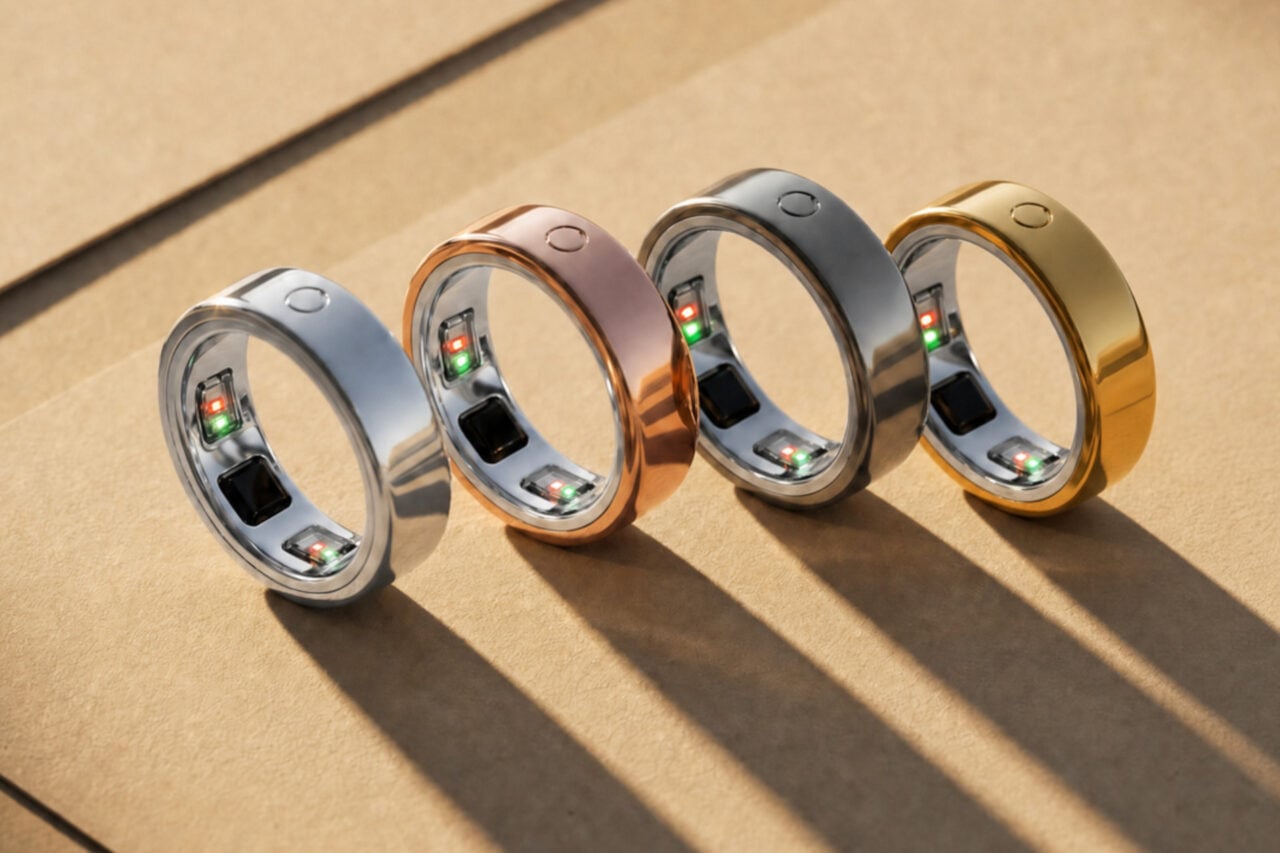
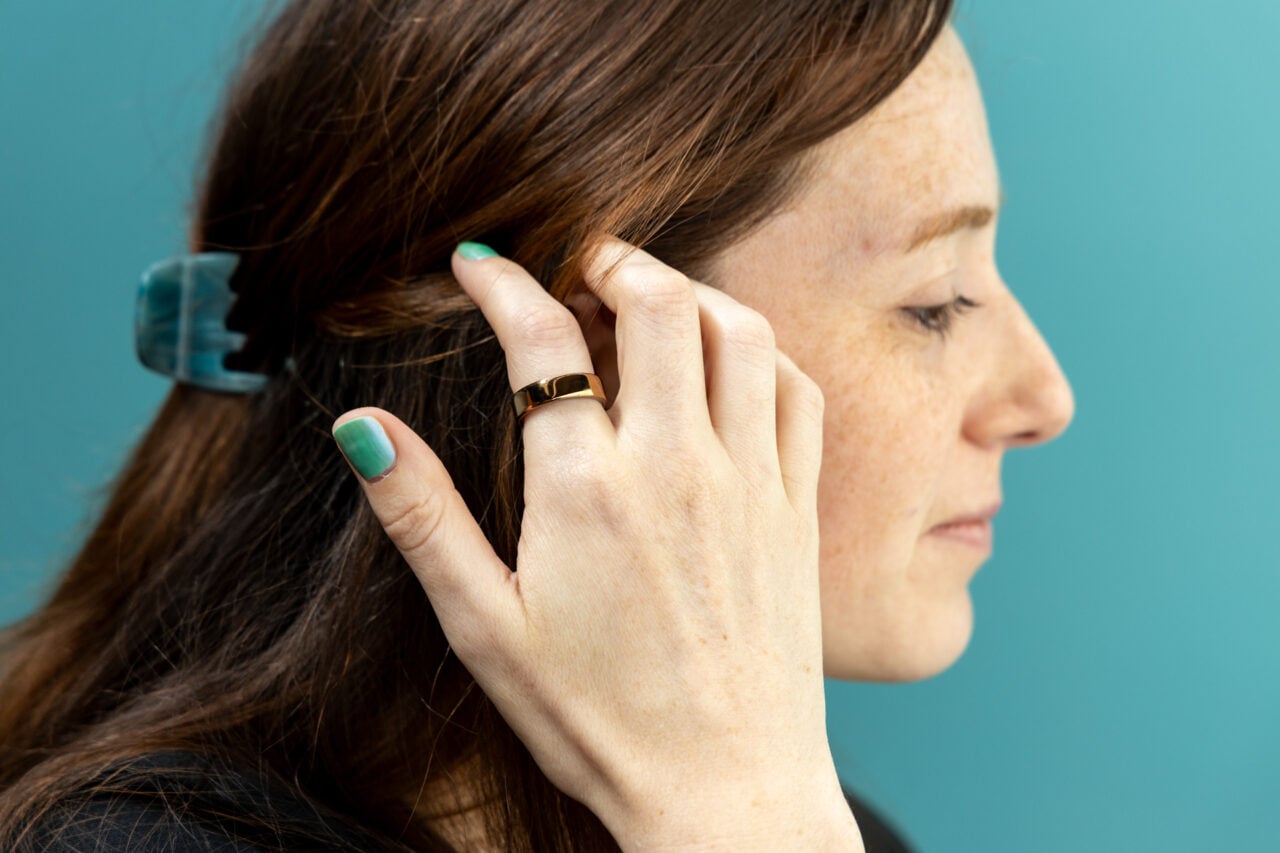
Oura is updating its smart rings with two new features this week, both of which are focused on improving cardiovascular health. Cardio Effort, which tracks how hard you pushed in your workouts throughout the week, and automatic VO2 Max, a measurement of your aerobic capacity, are now available on Oura Ring Gen 3 models and later. They also match similar features offered on Apple’s and Garmin’s smartwatches.
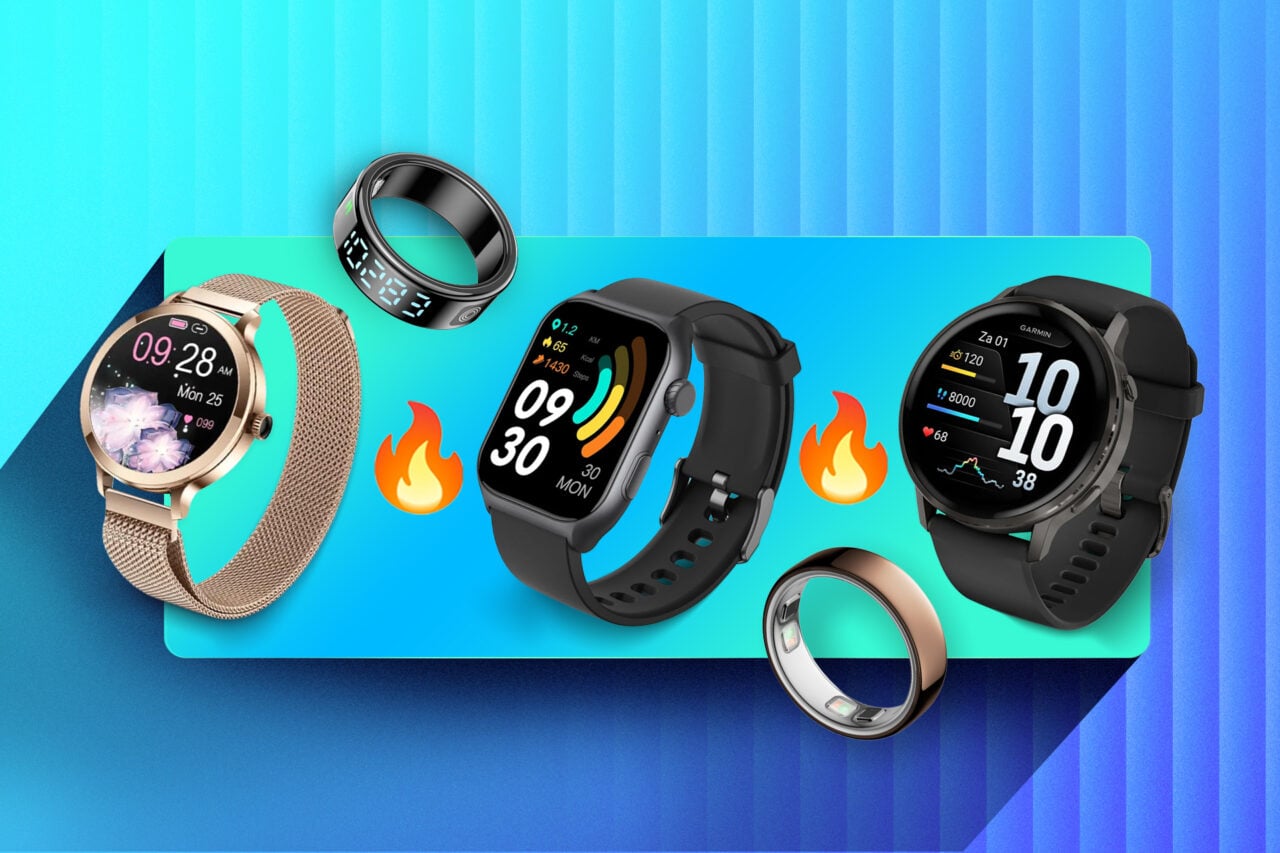
Keeping parity with other wearables is increasingly important for Oura. While the company has become synonymous with the concept of smart rings through a combination of timing, savvy marketing, and good product design, competitors like Ultrahuman and RingConn remain and are only growing in number when you consider the wider category of screenless wearables.
If you’ve experimented with Apple’s Training Load, Oura’s Cardio Effort will feel similar, if perhaps a bit more technical and detailed. It also complements Oura’s existing Readiness Score. If your Readiness score gives you a sense of whether you should tackle a big workout or rest, then Cardio Effort is a measurement of “how hard your cardiovascular system was working and how long that demand was sustained.”

Oura looks at things like the intensity and duration of a workout, like Apple, but rather than asking for effort ratings like Training Load does, it measures your heart rate response against your resting heart rate. Each workout adds to your weekly total, which Oura then sorts into one of five categories: Light, Fair, Maintaining, Building, and Reaching. A Light rating means you experienced substantially lower cardiovascular strain than normal, while Reaching means you’ve experienced meaningfully higher strain than normal. Using Cardio Effort alongside Oura’s other metrics, you could then decide after a week in Reaching that it might be time to decrease intensity the next week.
Cardio Effort is theoretically even more useful when paired with Oura’s new automatic VO2 Max, which could be thought of as the product of the effort you put in. Available as one of the company’s experimental Oura Labs features, VO2 Max allows an Oura Ring to passively determine your “maximum oxygen uptake.” After completing at least five GPS-enabled activities (the Oura app pulls GPS data from a connected smartphone), your ring can then offer an estimate of your current VO2 Max, along with context on what that means for your current fitness and how things could change over time. Apple and Garmin both offer similar VO2 Max estimates.
While these new metrics are natural extensions of the data Oura was already tracking, they could also be viewed as an example of the company playing catch-up with its competitors, a pattern that could become more common in the future. The Signal Ring claims to have beaten Oura (and many other companies) to the punch by offering a reliable way to take blood pressure measurements without calibration or a blood pressure cuff. Wareable reports Oura has patented its own method to take on-demand blood pressure measurements, but it hasn’t introduced it yet, and Signal is already on the market.
News that Oura planned to go public seemed like the moment the company would cement its lead. Then in September, the company postponed its IPO, citing “market uncertainty.” Public or not, Oura also faces pressure beyond its competitors, including a proposed lawsuit challenging its accuracy claims. Whatever the company does next, the heat is clearly on.