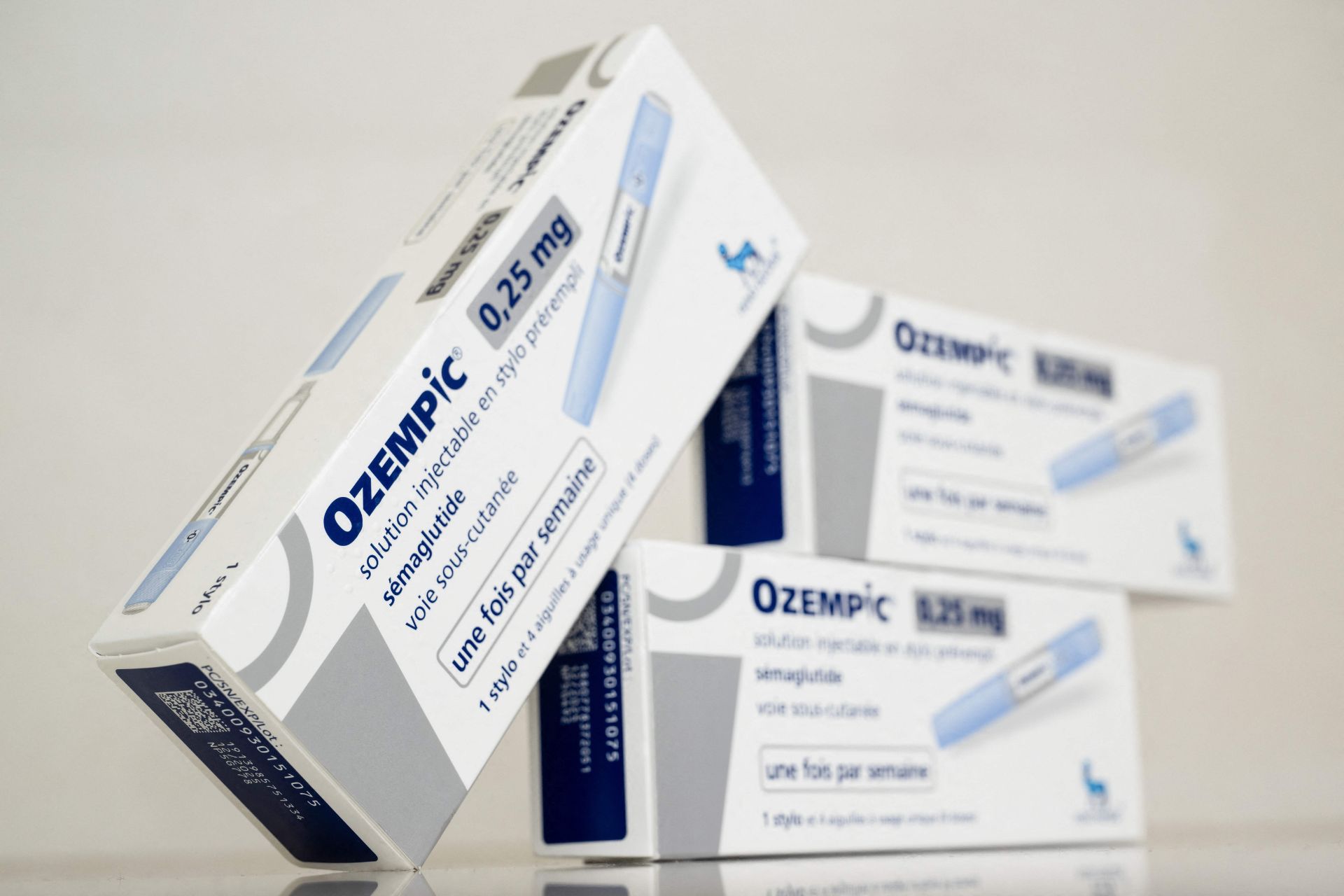
The positive reputation of GLP-1 medications like semaglutide (Ozempic/Wegovy) and tirzepatide (Mounjaro/Zepbound) continues to get bolstered. These drugs might even help keep some infectious diseases at bay.
Two studies in recent weeks have found a link between GLP-1 use and a reduced risk of diseases like tuberculosis or infections serious enough to send people to the hospital. Though more research is needed to confirm this connection, GLP-1 drugs could very well offer a buffer against certain infections, particularly among more vulnerable groups like people with type 2 diabetes.
“These findings suggest that beyond their established metabolic benefits, GLP-1RAs may confer additional advantages in lowering infection risk,” said the authors of one recent study, published late last month in the journal Nature Communications.
Ozempic the germ buster?
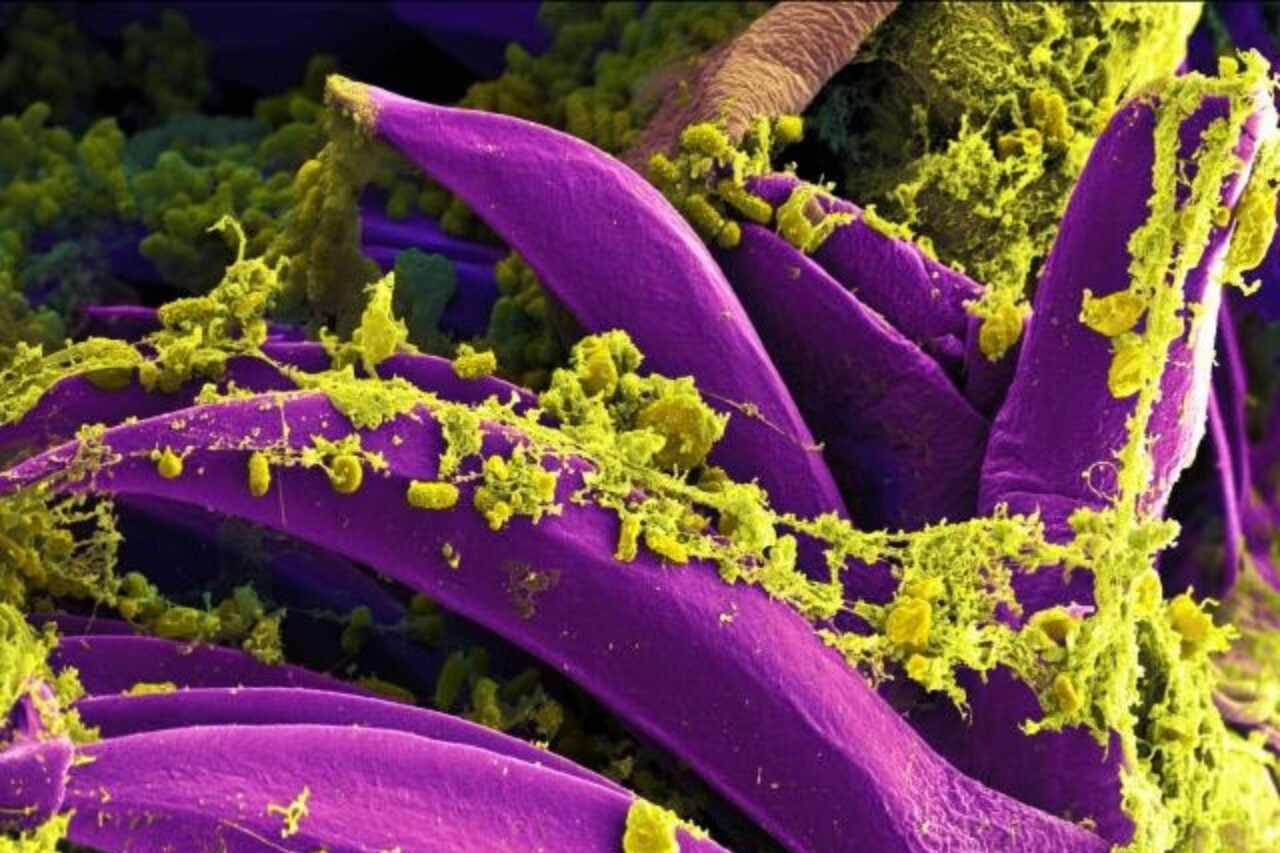
The authors of the Nature Communication study looked specifically at tuberculosis, or TB. TB is a bacterial infection and one of the world’s single deadliest germs. In 2024, it killed roughly 1.2 million people globally. The bacteria can often linger silently in people’s bodies after the initial acute infection, returning years later when a person’s immune system starts to falter.
Using a large database of (deidentified) medical records, the researchers compared the outcomes of people taking a GLP-1 for their type 2 diabetes to people taking other common diabetes drugs between 2017 and 2025. GLP-1 users were significantly less likely to be diagnosed with TB for up to a five-year span, they found.
The other relevant study was published in the BMJ in early August. These researchers were actually mostly interested in studying how tirzepatide affected the cardiovascular health of people with type 2 diabetes and existing atherosclerotic cardiovascular disease. Unsurprisingly, compared to an older diabetes drug, tirzepatide seemed to reduce people’s risk of major cardiovascular adverse events like heart attacks, they found.
Interestingly enough, though, tirzepatide users were also less likely to develop infections that resulted in a hospital stay. They were also less likely to die during the study period in general and less likely to die from a reported infection. One plausible explanation for the greater survival among tirzepatide users, the researchers wrote, “is the substantial reduction in serious bacterial infections observed among individuals who initiated tirzepatide, suggesting that part of the survival benefit may reflect effects beyond atherosclerotic mechanisms.”
What does this mean?
Both of these studies are observational and retrospective, meaning they can only show a correlation between GLP-1 use and reduced (or at least less severe) infections, not prove a direct cause-and-effect relationship. At the same time, these are the only latest pieces of evidence pointing to a genuine germ-busting benefit from GLP-1 drugs.
As for why these drugs might protect people from infectious diseases, both type 2 diabetes and obesity have been strongly linked to a greater risk of some infections and infection severity. So much of this potential benefit might simply come from helping people lose weight and better control their blood sugar and metabolic health. That said, it is possible there could be other subtle factors going on here.
More research, which could include lab studies, prospective studies that follow GLP-1 users over time, and studies looking at clinical trial data, is warranted to better understand this link, the researchers of both studies say. In the meantime, it’s perhaps comforting to know that we’re still continuing to find more potential health bonuses from these blockbuster drugs.