115-million-year-old melanin teaches us more about these long-gone flying reptiles.
A dangerous strain of the avian influenza has caused the deaths of millions of birds and is spreading fast in wild eagle populations.
An autopsy that took months confirmed that David Riston died of "accidental snake envenomation."
A new assessment lays out what went wrong during an effort to replace a boardwalk at Mill Canyon Track Site in Utah earlier this year.
A gaping wound on the dino’s frill appears to have been inflicted by another Triceratops , in an attack that came from behind.
This is the first time substrate camouflage has been observed in squid in a lab setting.
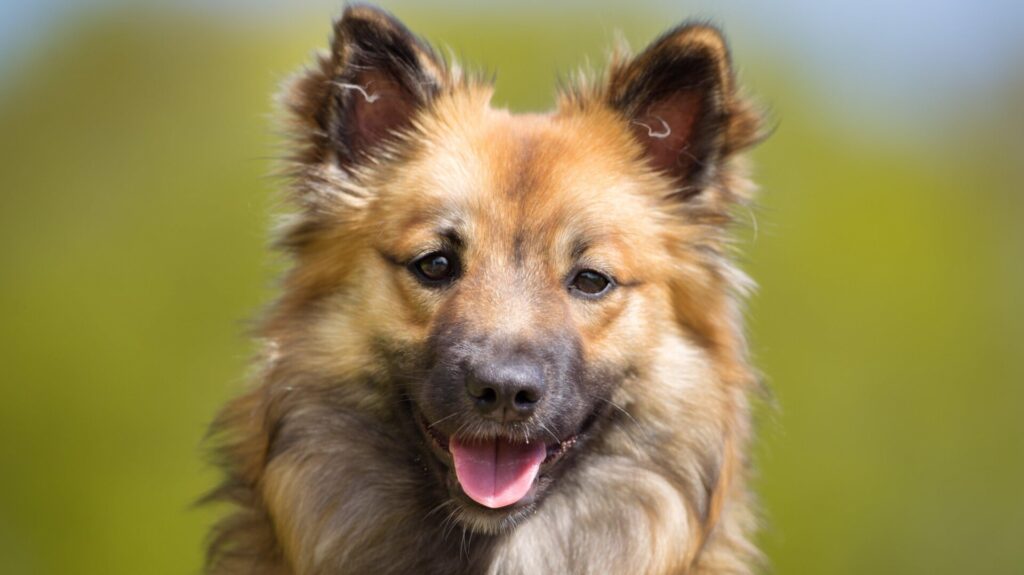
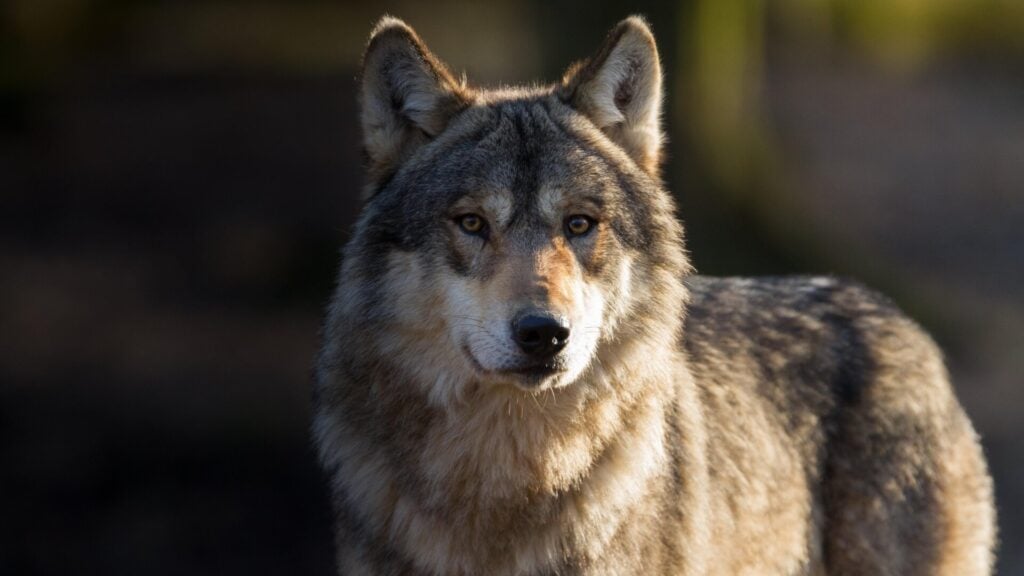
A new study suggests that faster-moving facial muscles allow dogs to be more expressive than their wolf ancestors.
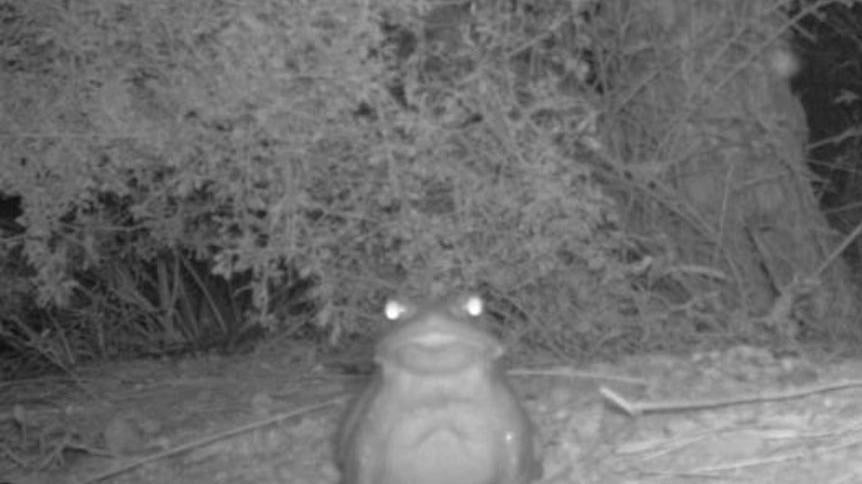
The brain of this bizarre amphibian offers clues about its evolution in total darkness.
After years of work, a large team of researchers say they've deciphered the missing 8% of our genome.
The "love hormone" made lions much less aggressive, a new experiment found.
The gene-editing technology CRISPR could knock out a protein that's the major source of cat allergies, a new study says.
New research shows that not all non-avian dinosaurs were restricted to land.
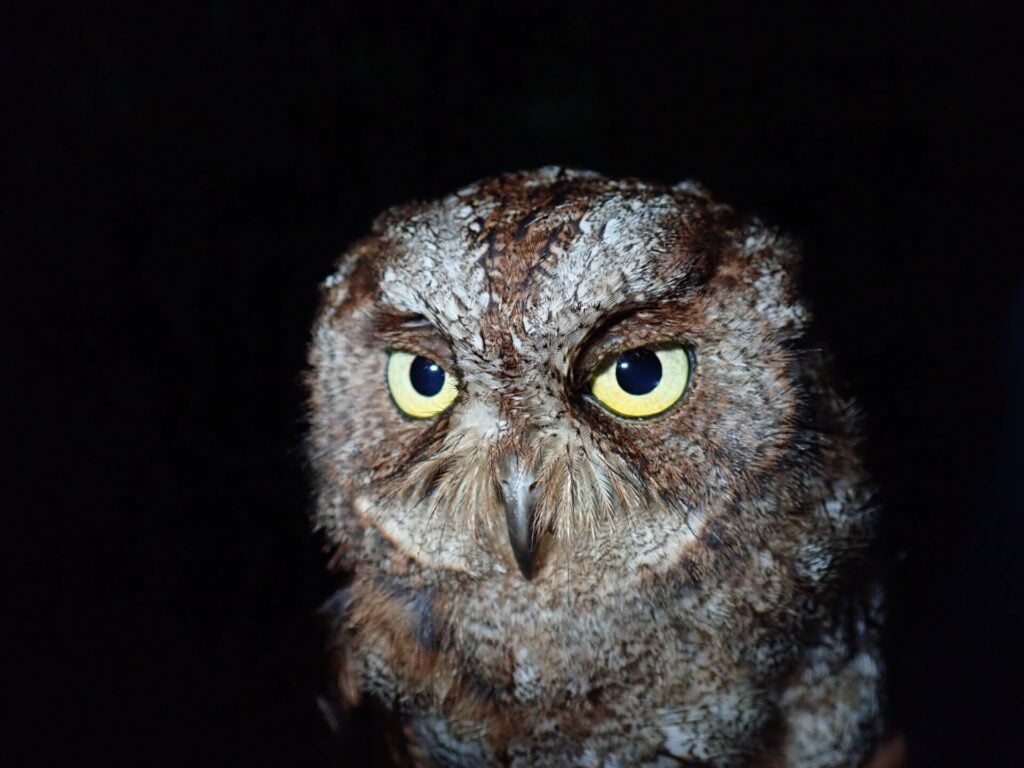
New recordings illuminate how black swifts, which stay in the air nearly all of their lives, rely on moonlight.
The 42-million-year-old predator, with its cat-like appearance and elongated fangs, was a sign of things to come.
More than 8,000 tortoises live on San Cristóbal. New DNA evidence suggests they’ve been mislabeled for a century.
Despite their formidable appearance, the long-legged Joro spiders aren’t considered a threat to people or pets.
Gene editing could potentially bring back the Christmas Island rat—but who wants more rats?
Syllipsimopodi bideni has a surprising 10 arms, unlike the eight found on modern vampire squid.
The expansive genealogy contains critical events from our distant past, including the first migrations out of Africa.
An overwhelming majority of dog owners noticed negative changes in their surviving pet following the death of a family dog.