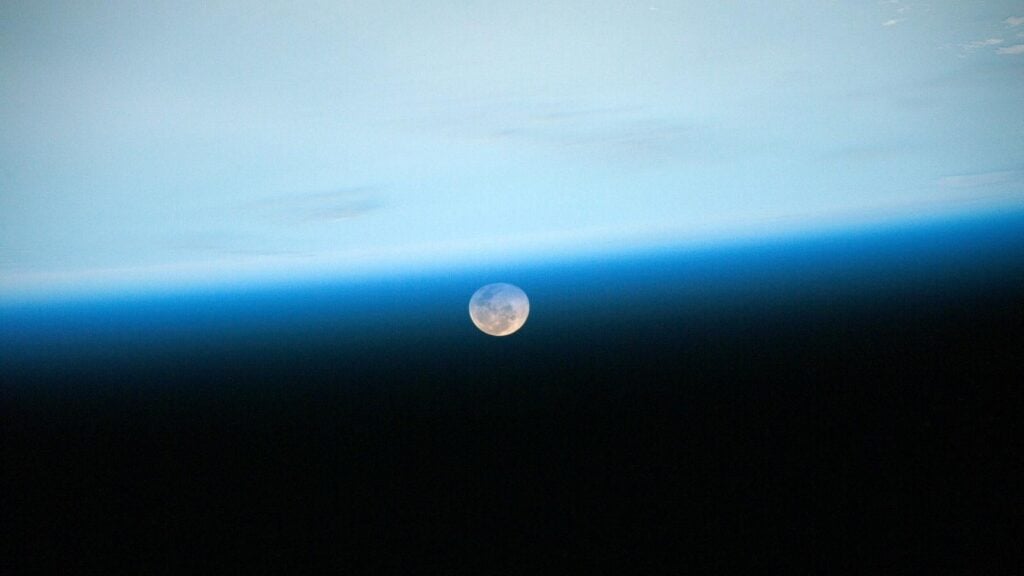


A space-based telescope caught the Moon darkening the Arctic during the June 2021 solar eclipse.
The Nauka module, launched into orbit yesterday, was unable to use its main engines after a computer glitch.
The Insight lander now has its breakthrough moment, thanks to Mars’ natural seismic waves.
There’s enough material in this disk to form three Moon-sized moons.
The space agency said that the rover will soon begin sampling Martian rock and looking for signs of ancient life.
Launch is scheduled for 10:58 a.m. EDT, with NASA coverage beginning at 10:30 a.m. EDT.
The balloon-mounted SuperBIT telescope is slated for a stratospheric launch in April 2022.
Science operations resumed on July 17 after the orbiting observatory spent a month stuck in safe mode.
Comet ATLAS fell apart last April, but its fragments are still offering opportunities to learn.
NASA was finally able to bring the orbiting observatory back online after it spent a month in safe mode.
The mystery bidder who won a seat on the maiden crewed flight of the New Shepard rocket now has... "scheduling conflicts."
This unassuming smudge could be the largest comet ever observed by astronomers.
Operations are now underway to restore a failing computer on the storied space telescope.
Elon Musk is defending space against "those who attack space." Here are some counterpoints.
The hope is that a future human civilization will find the spacecraft's message.
A future lander will likely need a drill to find any signs of life on this irradiated moon of Jupiter.
New laboratory data indicates that if the gas phosphine is on Venus, it could come from deep in the planet’s interior.
The company's founder called Sunday's successful test flight "the dawn of a new space age."
Newly discovered rocks, with their histories wiped clean, are still considered good places to look for signs of ancient life.
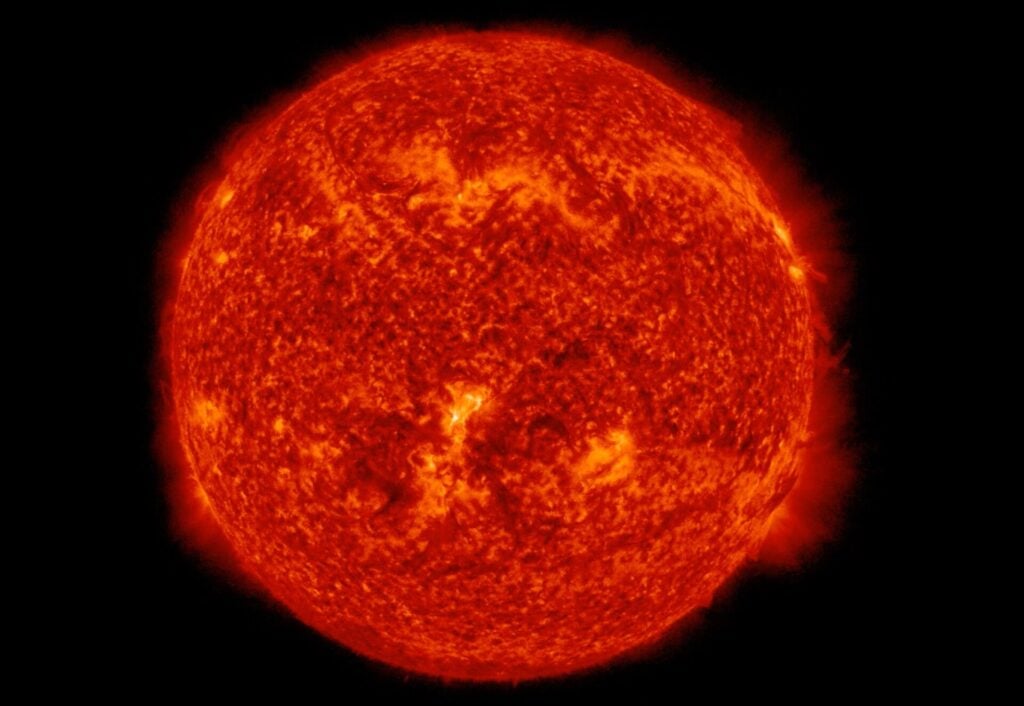
The X-class flare was an intense one, but it won’t meddle with anything on Earth.