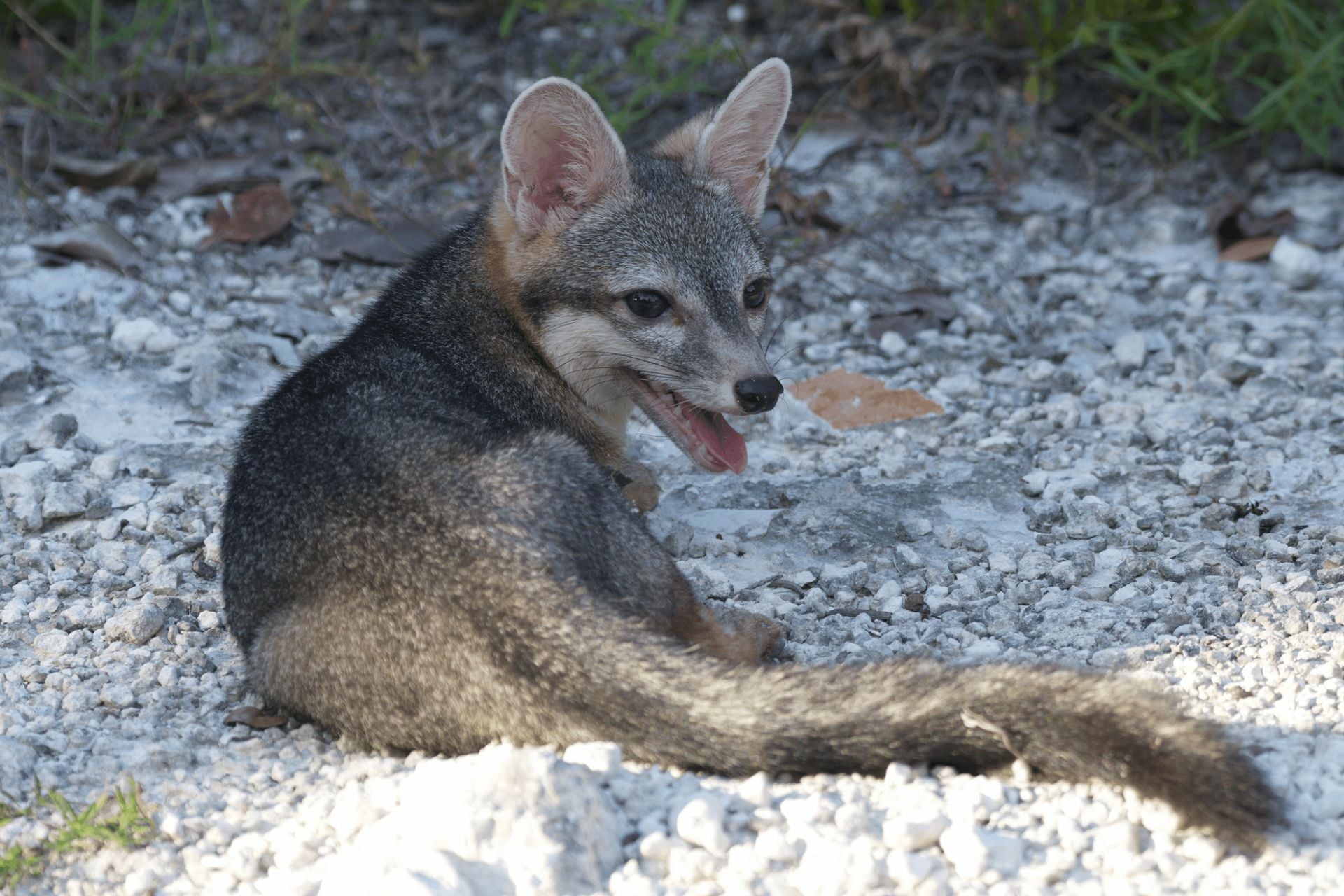
Scientists have finally captured a glimpse of a fox so elusive that it was unclear if the animal still existed.
A team of researchers in the United States and Mexico has provided the first objective evidence of a dwarf fox species currently living on the island of Cozumel, Mexico. The researchers and wildlife park officials rescued an adult male dwarf fox on a local highway. Though the fox recovered and was released into a protected reserve, there remains much we don’t know about these animals, including how many are left in the wild.
“Here, we report the first photographic record and the first confirmed sighting in over two decades,” the researchers wrote in their paper detailing the discovery, published last month in the journal Neotropical Biology and Conservation.
Island dwarfs
Since the days of Charles Darwin in the 19th century, scientists have known that the isolated conditions of an island can speed up the evolutionary process in some animals. One common pattern is the formation of dwarf species that are smaller than their mainland counterparts.
This is something that’s already happened with the gray fox (Urocyon cinereoargenteus) in North America and the island fox (Urocyon littoralis). The island fox descended from the gray fox and is only found on six of the eight Channel Islands off California, with each island having a distinct subspecies.
A separate lineage of Urocyon dwarf fox has also been found on Cozumel, an island not too far from Cancun. Fossil records have suggested these foxes had lived on the island for at least thousands of years. Outside of these fossils, however, scientists know very little about the fox, which has only rarely been spotted by humans. The last reported sighting was over 20 years ago, in 2001, leaving open the possibility that it had gone extinct.
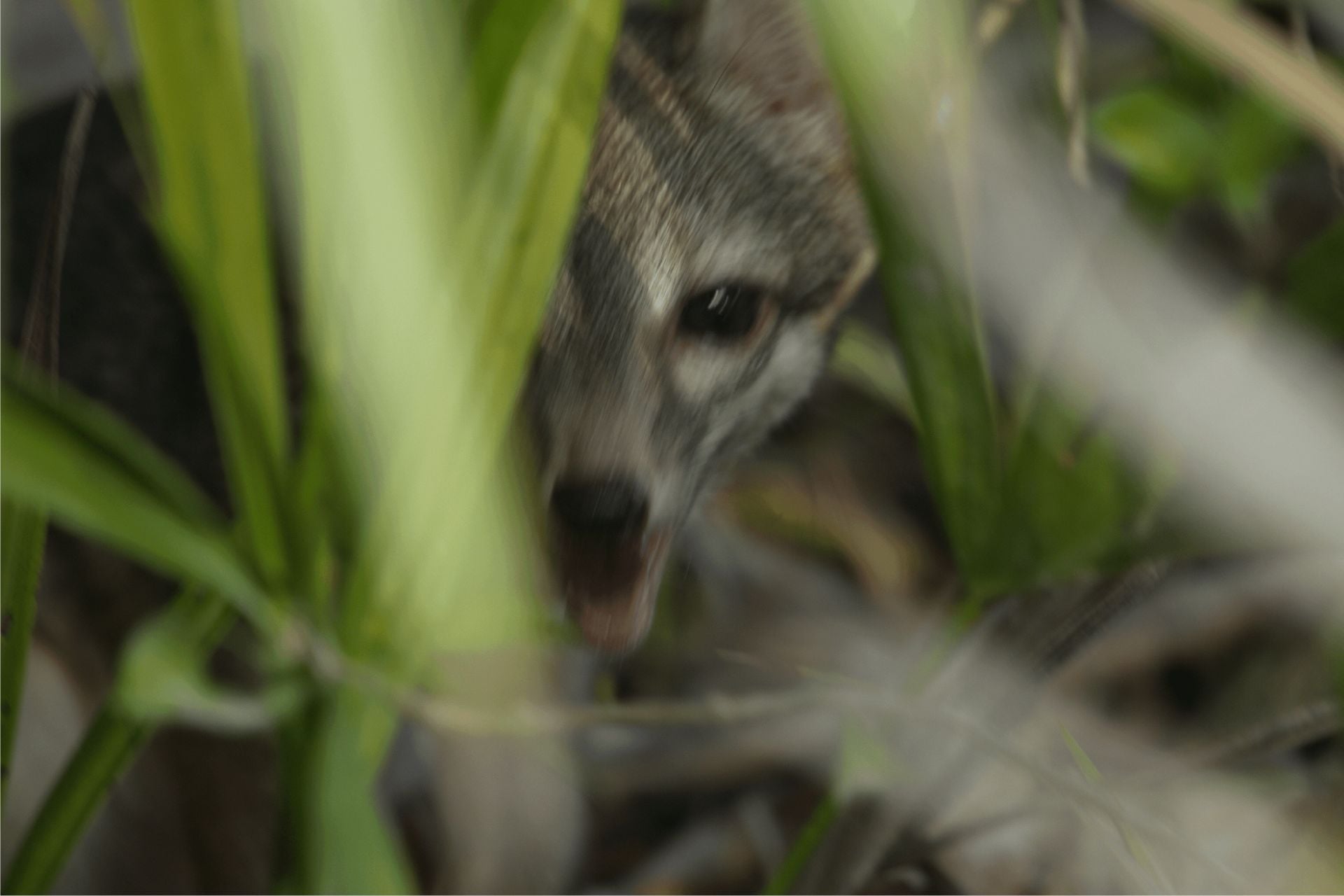
That all changed on September 14, 2023, when people reported seeing a “disoriented” fox on the side of a highway. Some of these people reported the sighting to local park officials, who ventured out to the site with one of the study authors. There, they photographed and took in the fox. The animal was held under observation for several days before it was released into the Laguna Colombia State Reserve on September 17, 2023.
The fate of the Cozumel fox
The reserve is located farther from roads, so the fox hopefully had a much easier go of things once there. Remarkable as this discovery was, though, it’s likely these foxes are still facing grave challenges to their continued survival.
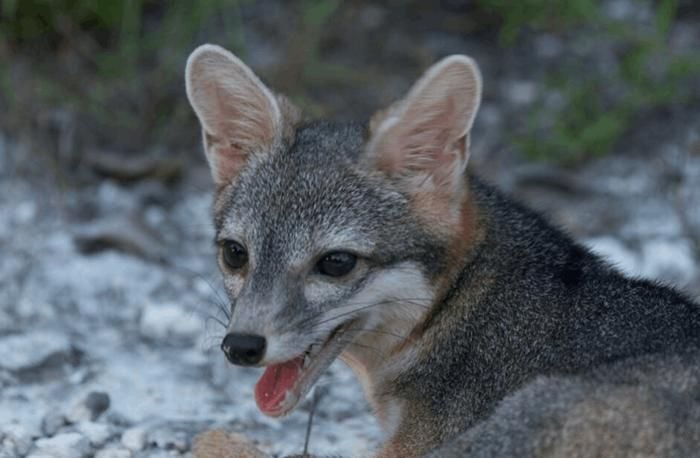
The authors note that many of the fox’s likely habitats in southern Cozumel are being endangered by human land use, natural disasters, and invasive species. And at this point, scientists still have very little concrete information on the fox, including its genetic make-up. So it will take plenty more work to better understand these animals and to keep them safe for the foreseeable future.
“Targeted surveys, population monitoring, and taxonomic assessments are urgently needed, along with habitat protection and measures to minimize human-wildlife conflict, to ensure the survival of this rare and cryptic fox,” the authors wrote.