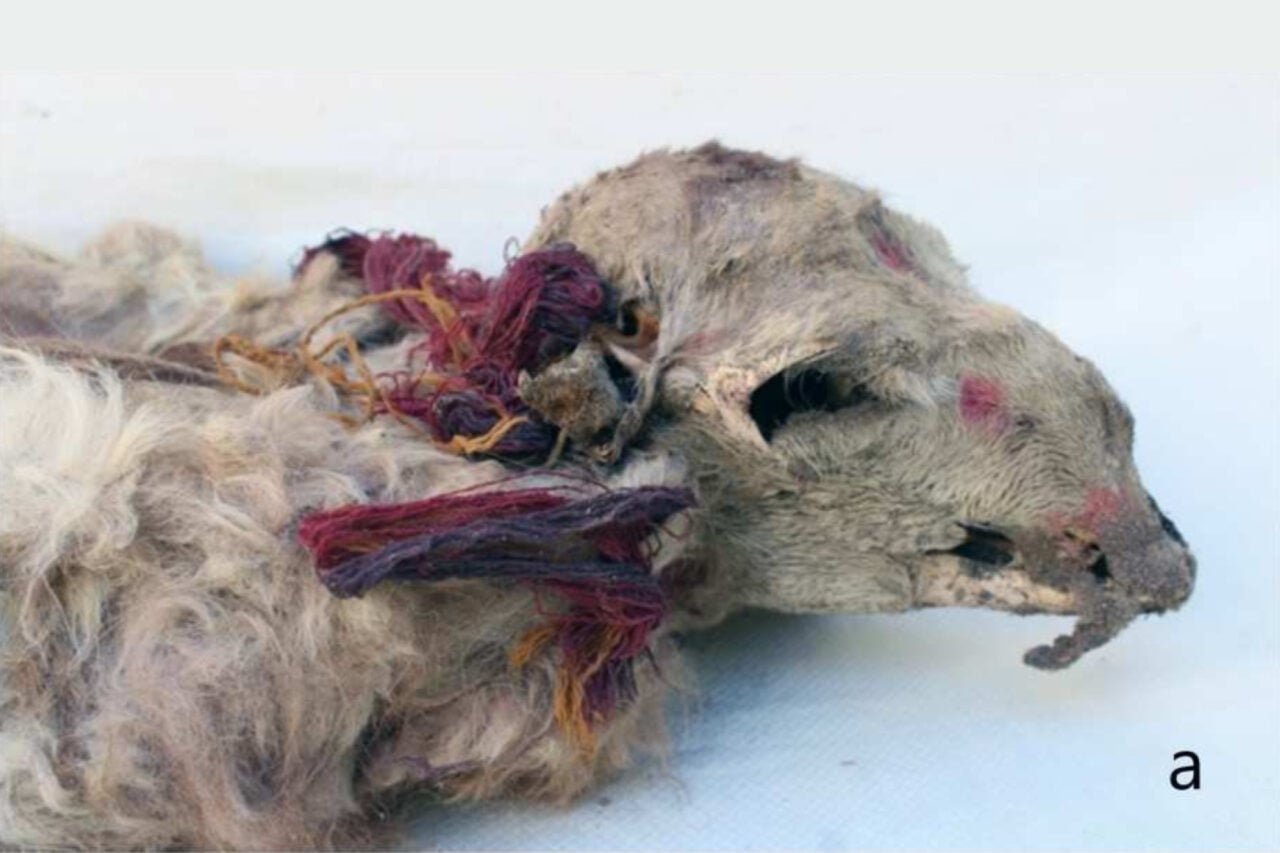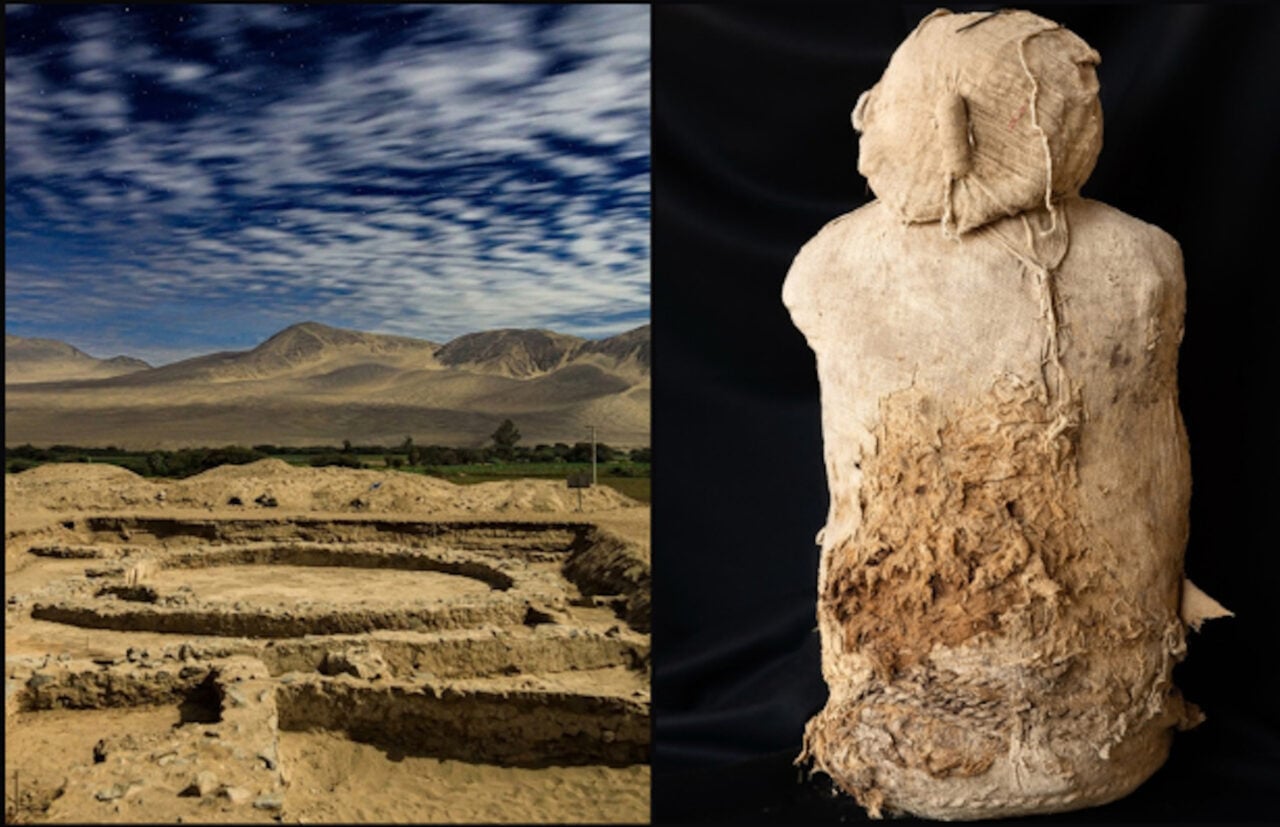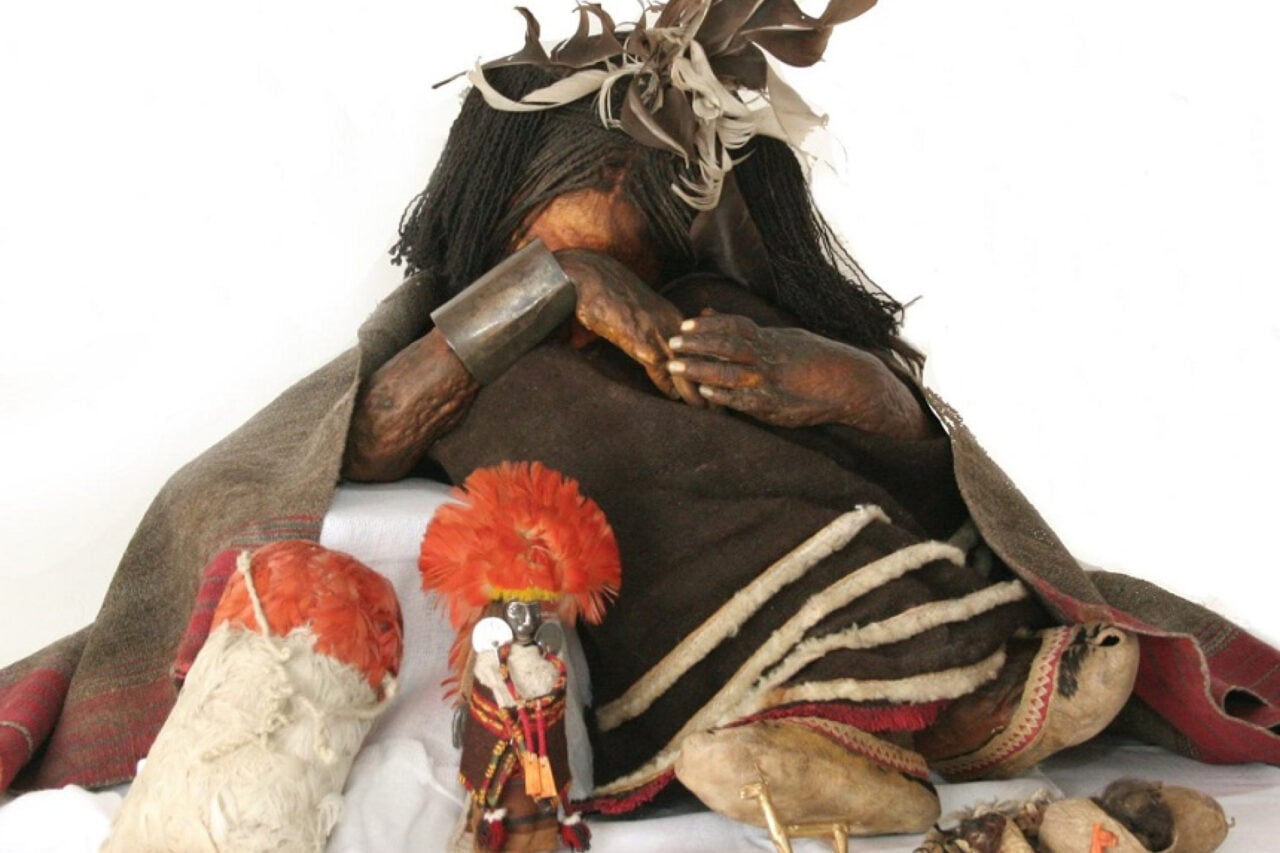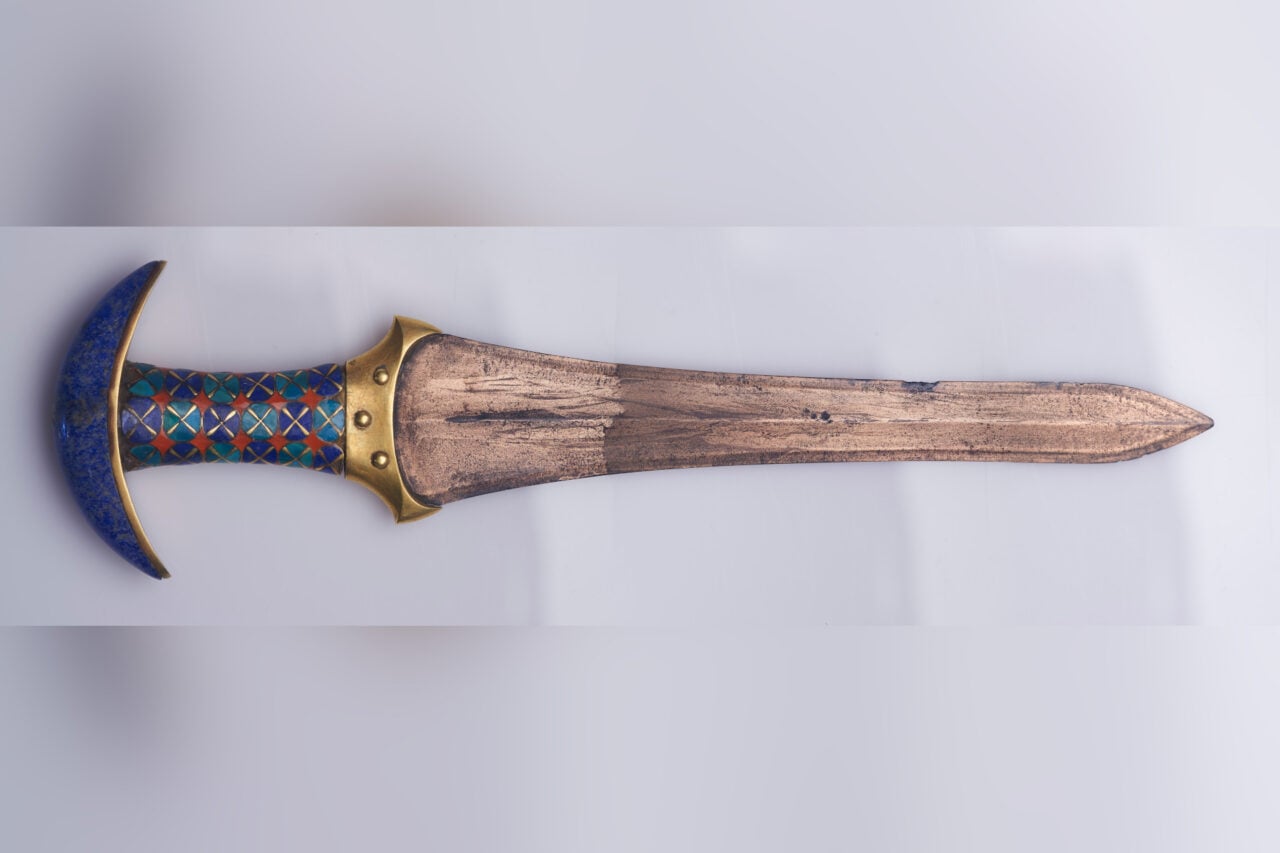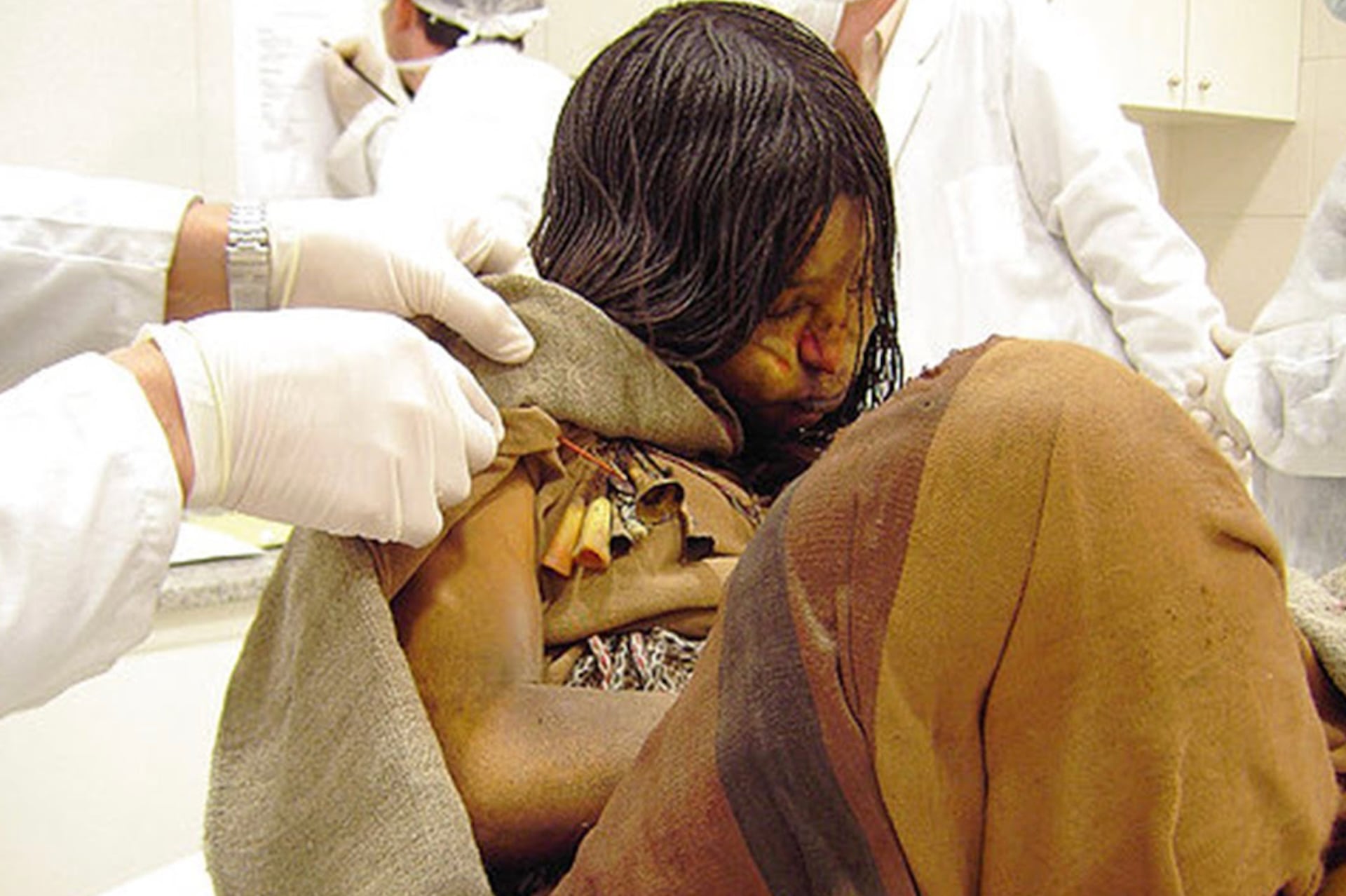
Researchers called her the “Llullaillaco Maiden.” Discovered by archaeologist Johan Reinhard and his team in 1999, this well-preserved mummy of a 13-year-old girl sacrificed by the Inca was found near the snow-capped peak of Llullaillaco, a volcano 22,109 feet (6,739 meters) above the border between Chile and Argentina.
Quite literally frozen in time, the maiden (or “Doncella,” as she was later called) has typically been interpreted as a religious sacrifice—one that would, in Reinhard’s words, “become deified and worshiped for generations as the villagers’ intermediary with the gods.” But a new study of offerings made alongside this young human sacrifice has added new political and strategic dimensions to this ancient ritual, known as “capacocha.”
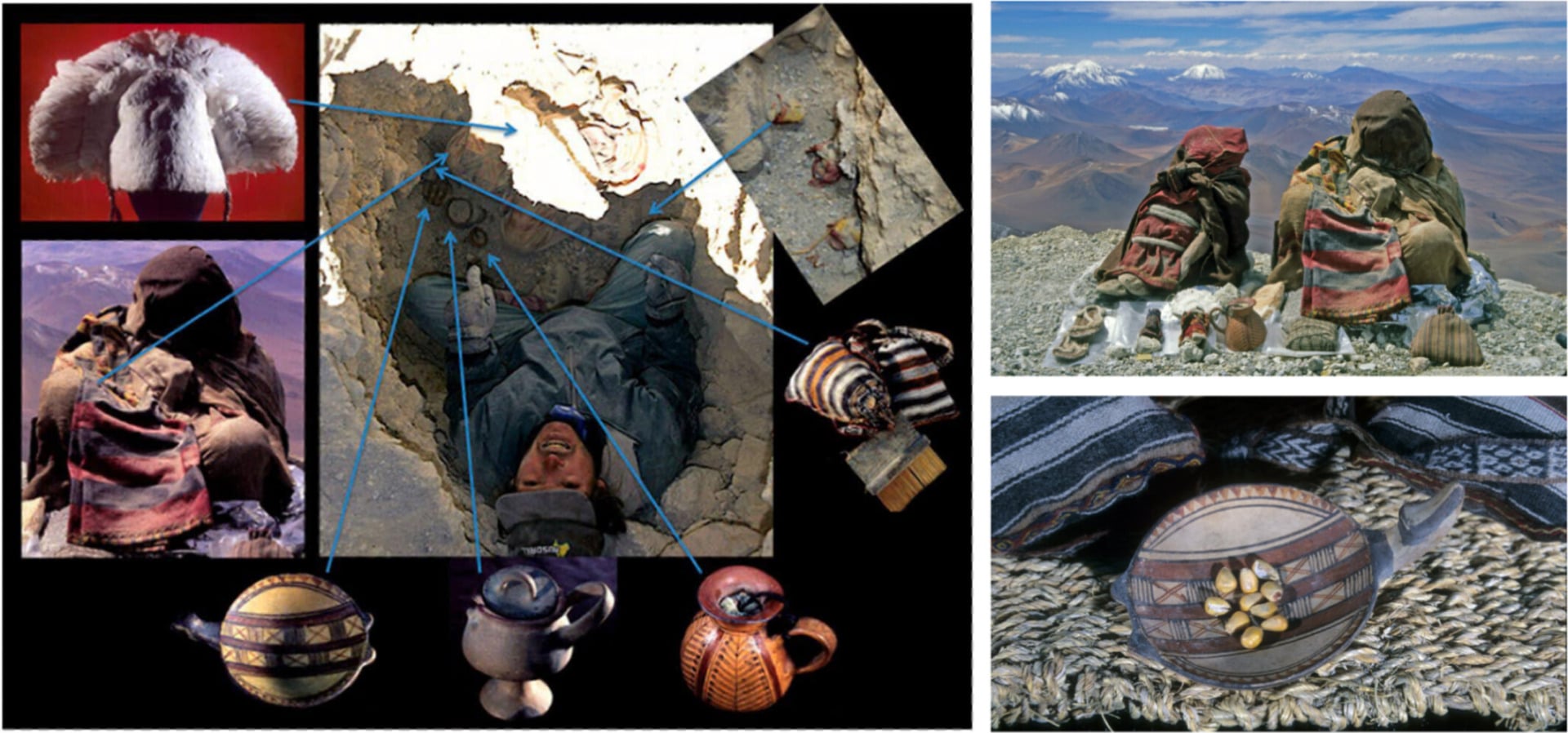
Radiocarbon dating refined by geological and climate analyses of side offerings, including coca leaves, manioc seeds, and maize grains, has tightened up the timeframe in which this human sacrifice likely occurred. The new context ties the maiden’s death more closely to southern campaigns of the Inca’s last rulers, according to archaeologist Dominika Sieczkowska-Jacyna and her coauthors.
“The capacocha might have been deliberately used as part of the broader Inca statecraft, serving as a tool through which the empire strengthened its authority, conveyed its ideology, and responded to environmental or social challenges,” the researchers argued in their new study.
In other words, despite its macabre supernatural overtones, these human sacrifices “may have extended beyond a purely religious offering to the mountain deities,” Sieczkowska-Jacyna, the study’s first author, and her coauthors wrote.
The political climate
Before the new study, prior radiocarbon dating could only broadly estimate the moment of the Llullaillaco Maiden’s sacrifice to sometime between 1430 and 1520 CE, a period “encompassing almost a century and most of the Inca presence in the region,” the researchers noted. Sieczkowska-Jacyna and her team’s new efforts cut that time by more than half, restricting the likely range of this capacocha ritual down to sometime between 1462 and 1507 CE.
The new cut-off would rule out any ties between the sacrifice and the early decades of the Inca Empire’s expansion into these Southern Andean regions, along the border of what is now Chile and Argentina.
“The dating we report challenges earlier assumptions that capacocha sacrifices were primarily linked to the initial phase of imperial expansion or the symbolic consolidation of newly conquered territories,” according to their study, published this month in the journal Archaeometry.
Instead, the maiden’s sacrifice now more squarely aligns with later southern campaigns by the Inca’s final rulers, Topa Inca and his son Huayna Cápac, as they attempted to solidify control over the region. The timing suggests that human sacrifices like this were less about “asserting territorial dominance” and counterintuitively more about rewarding “loyalty to the Inca.”
The actual (meteorological) climate
Overlapping climate and geological records lent further credence to Sieczkowska-Jacyna and her coauthors’ hypothesis. Data from both the Global Volcanism Program, they noted, reveal none of the volcanic activity that had been previously hypothesized as an inciting incident—a natural disaster that might have prompted a human sacrifice to appease the gods.
Additionally, the researchers examined paleoclimatic records cataloging the evolving weather patterns of El Niño–Southern Oscillation (ENSO) and found “no abrupt anomalies that could be linked with the sacrifice.” These comparisons were only possible, they noted, thanks to their analyses of the agricultural goods—the coca, manioc, and maize—which provided “radiocarbon signatures closely reflect the prevailing environmental conditions at the time of deposition (likely the growing season before the burial episode).”
While the researchers could not entirely rule out that the sacrifice had been related to a more local natural disaster—something that people would have appealed to the gods over, seeking relief—they noted that ”the scale of the offering suggests a more imperial than local dimension.”