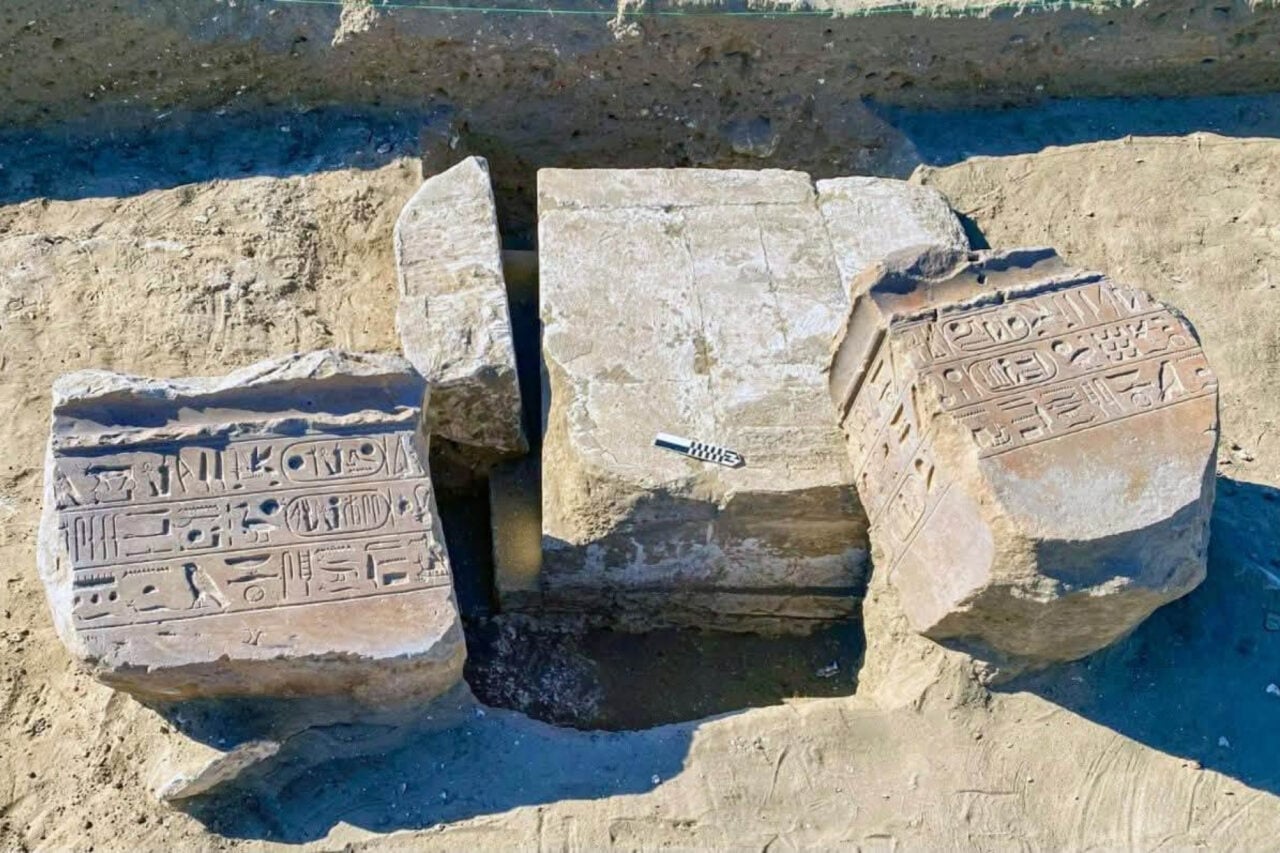
Ancient Egyptians took great care in embalming mummies, as they believed that it prepared the recently deceased for the afterlife. This included tucking in pieces of papyrus, mostly for ritualistic purposes, but a new discovery suggests this practice was more varied—and intense—than previously thought.
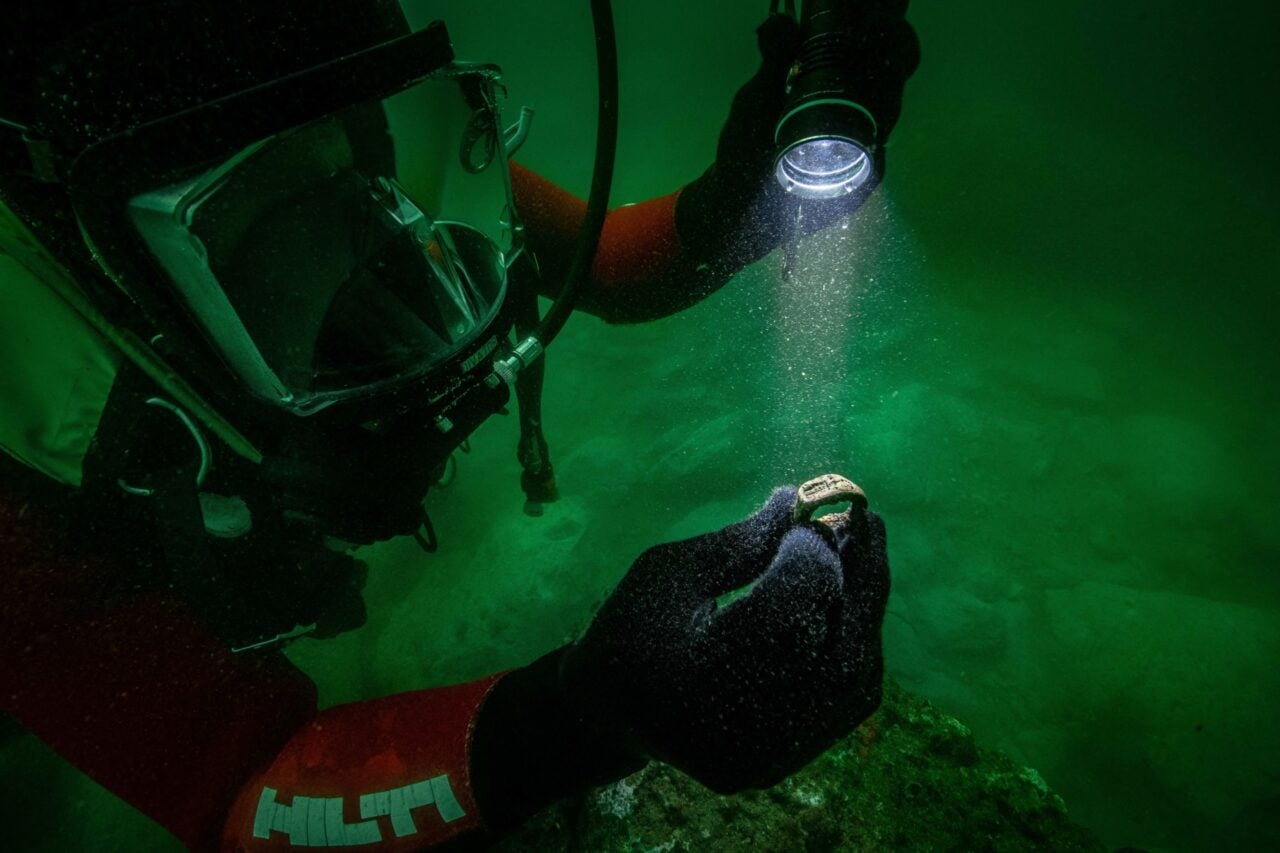
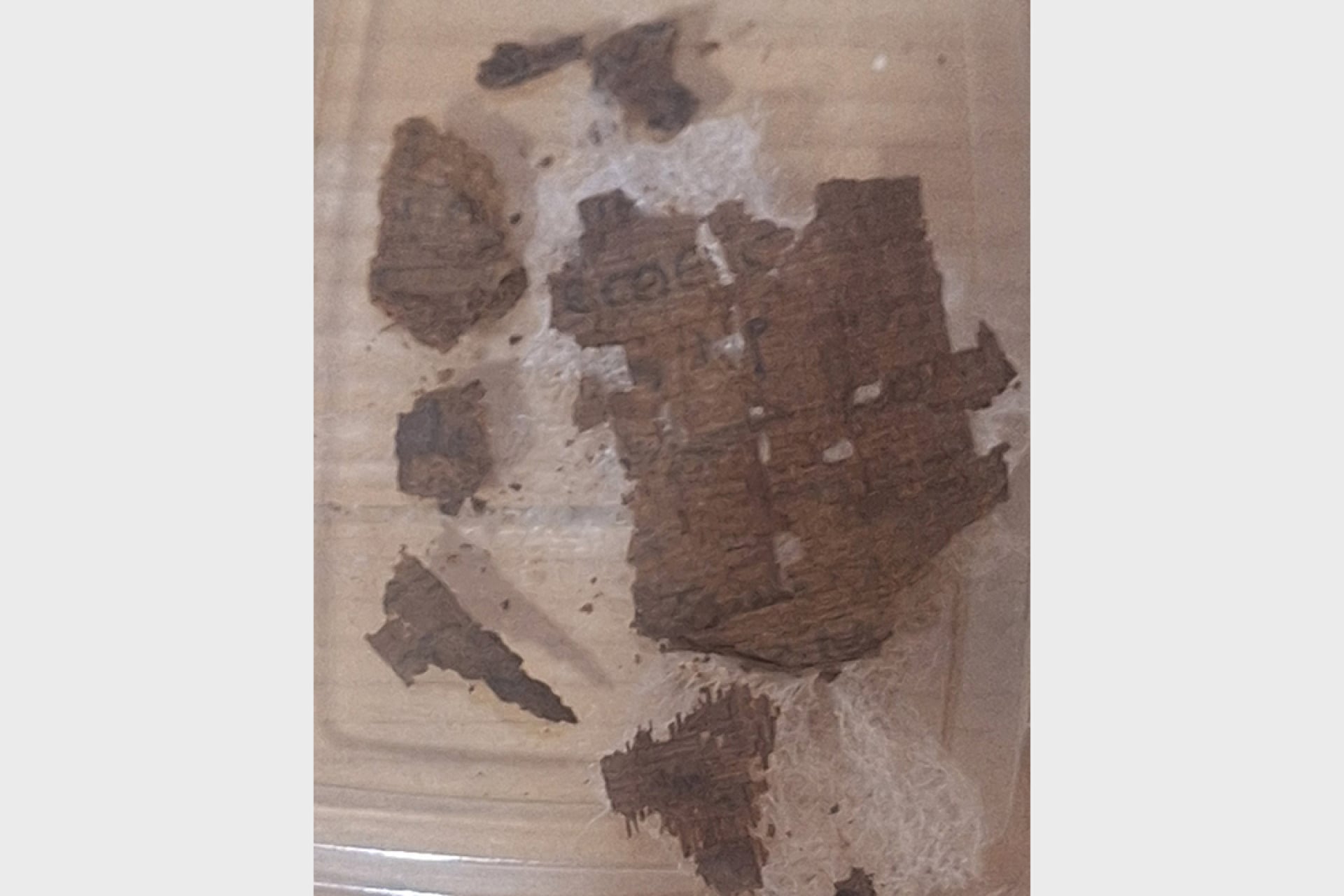
In a recent statement, archaeologists with the Oxyrhynchus Archaeological Mission reported the discovery of Homer’s Iliad—specifically the catalog of ships in Book II—written on Greek papyrus fragments inside a 1,600-year-old Egyptian tomb. The papyrus, wrapped around the mummy’s abdomen, is the first instance of Greek literary text found incorporated into the mummification process. The campaign that led to the discovery took place in late 2025, and researchers analyzed the papyrus over the first couple of months into 2026.
“Since the late 19th century, a huge number of papyri have been discovered at Oxyrhynchus, including Greek literary texts of great importance,” Ignasi-Xavier Adiego, project director and a classical philologist at the University of Barcelona in Spain, said in the release. “But the real novelty is finding a literary papyrus in a funerary context.”
A ‘Trash Heap’ of Treasures
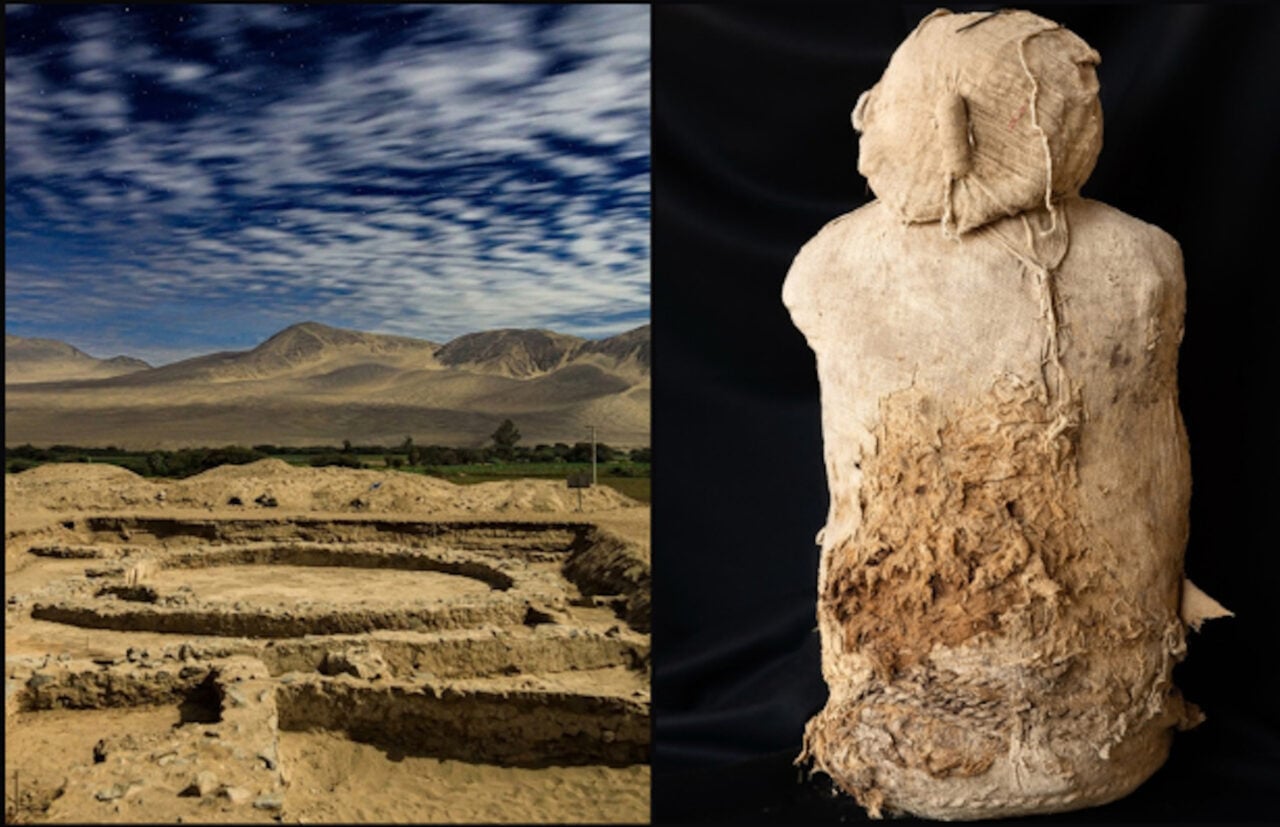
Founded in 1992, the Oxyrhynchus Archaeological Mission is a collaborative project between Spanish archaeologists and Egyptian authorities. Located roughly 118 miles (190 kilometers) south of Cairo, the site has yielded literary texts, government records, religious documents, leases, horoscopes—so many treasures that Atlas Obscura calls it “Ancient Egypt’s most literate trash heap.”
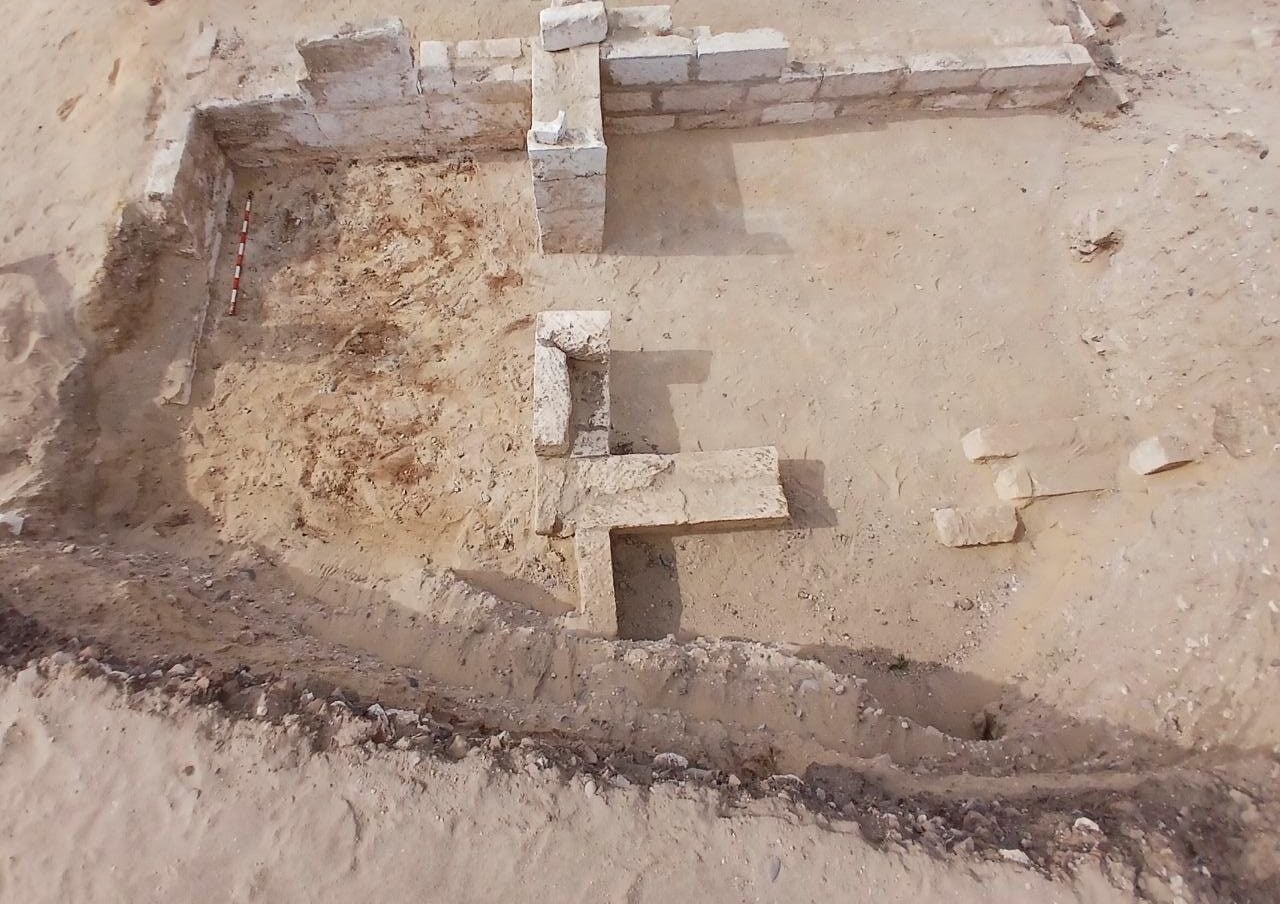
Historically speaking, the ancient city of Oxyrhynchus was one of the most important locations of Greco-Roman Egypt (between 332 BCE and 642 CE), according to the University of Barcelona. And so, when excavations unearthed a Roman-era tomb, researchers anticipated that they’d find something that spoke to the region’s unique cultural heritage.
Preparing for the other world
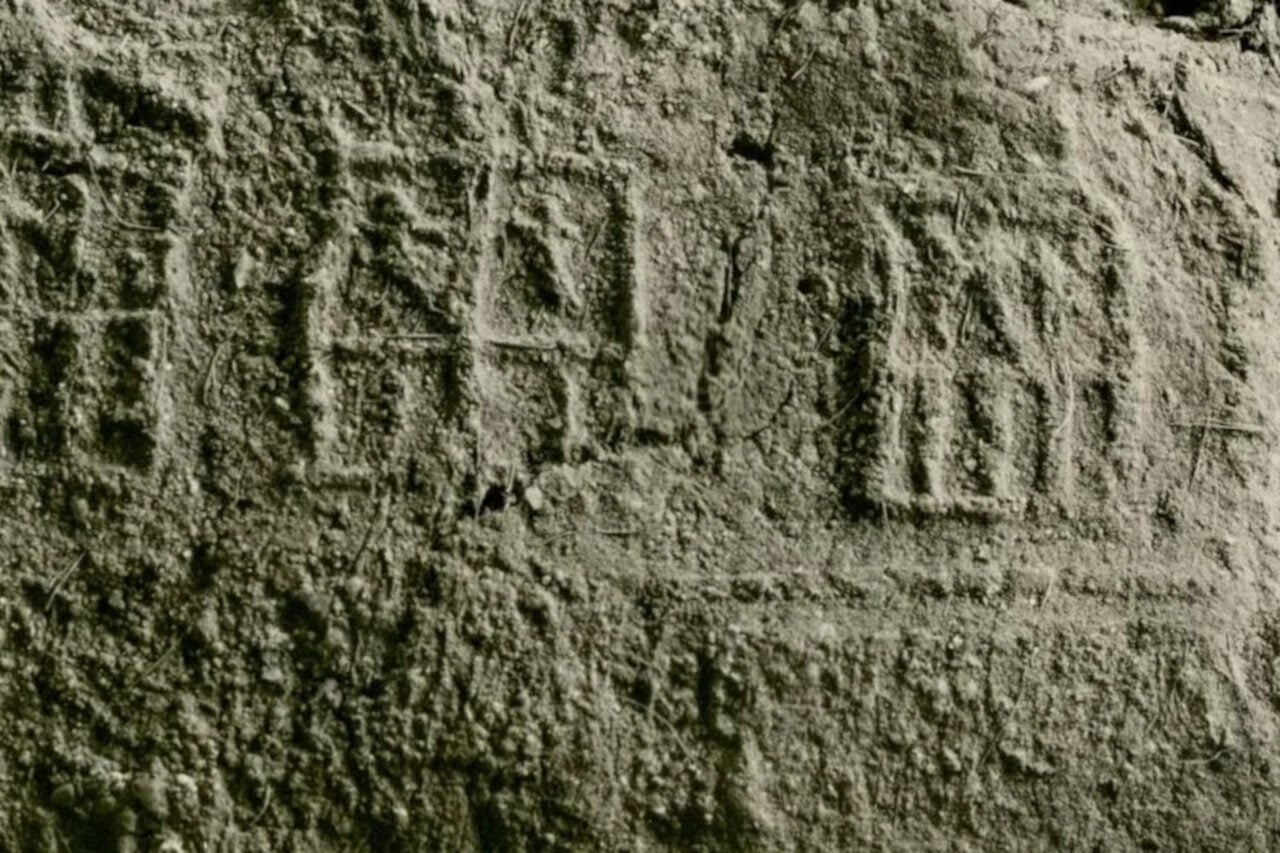
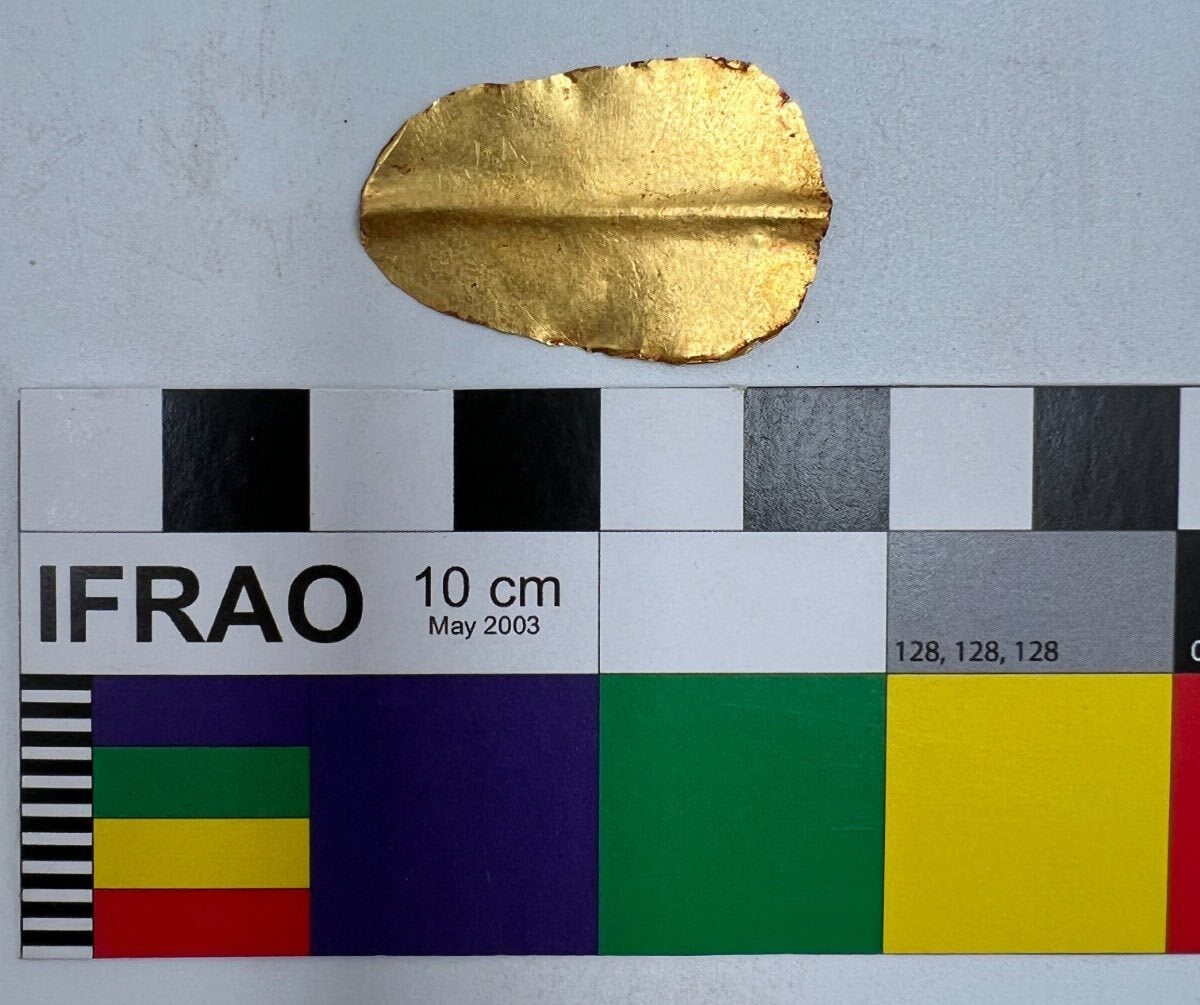
Needless to say, Oxyrhynchus did not disappoint. According to a translated statement from Egypt’s Ministry of Tourism and Antiquities, the excavations identified multiple mummies from the Greco-Roman era wrapped in bandages decorated with geometric motifs, along with golden adornments. But the most surprising discovery was the papyrus fragment from the Iliad, the epic poem set near the end of the Trojan War.
“The discovery of a copy of the Iliad in an Egyptian city like Oxyrhynchus is certainly not unusual,” Leah Mascia, a papyrologist involved with the mission, told Smithsonian Magazine. “In the Greco-Roman period, texts such as the Iliad circulated across all Egypt; they were used in educational settings, and copies were even owned by private citizens.”
That said, the team didn’t report finding any other references to the Iliad—or similar literary texts, for that matter—in other mummies, raising questions about what the poem meant to this particular individual. However, the funerary complex overall was in a state of disrepair from past looting, so the team will need more time to perform further analyses on the fragile, ancient artifacts.