In late 1970, the U.S. military launched the first of a series of satellites designed to be on the lookout for missile attacks. Until last month, two of those satellites remained operational in geosynchronous orbit, but their long-running mission has finally come to an end.
The U.S. Space Force recently announced the retirement of the Defense Support Program (DSP), a constellation of satellites that once served as a crucial warning system during the Cold War. The last two remaining satellites were moved to a higher orbit in September ahead of their planned system decommissioning.
Watching from above
Situated 22,300 miles (35,888 kilometers) above the Earth, the DSP satellites were a major component of the U.S. missile warning system. Each satellite was equipped with infrared detectors to spot intense heat and thermal signatures from missile plumes against Earth’s background.
The network of classified satellites spun continuously, scanning Earth’s surface about six times every minute. At the time, infrared observation technology was still in its infancy, and the program helped transform it into an operational line of defense.
The U.S. military initially designed the program in response to the growing threat of Soviet nuclear ballistic missiles. After the Cold War ended, the DSP satellites were used in conventional warfare, like detecting Iraqi Scud missile launches during Operation Desert Storm in 1990-1991.
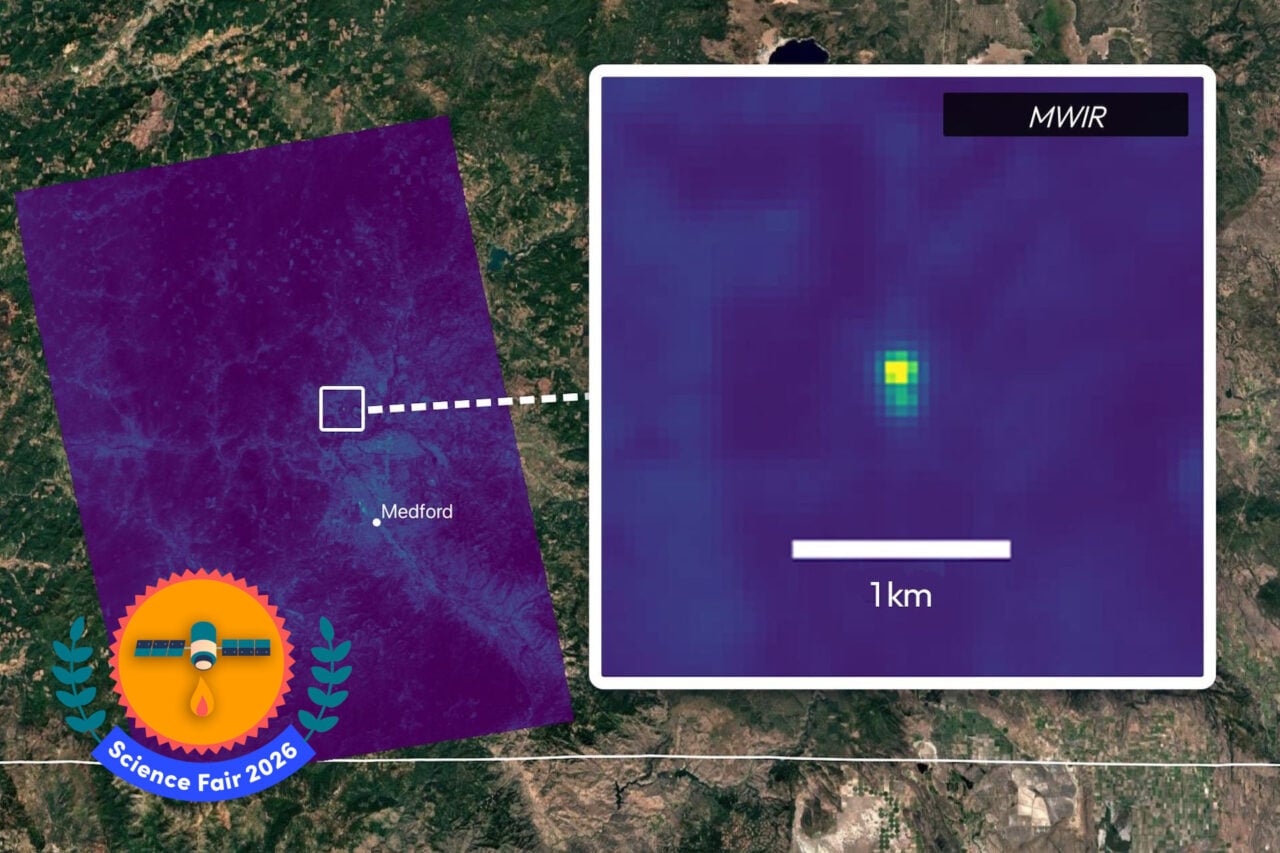
The satellite’s infrared sensors were also used to identify early warning signs of natural disasters such as volcanic eruptions and forest fires.
The end of DSP
The U.S. Air Force launched a total of 23 satellites for the DSP constellation from 1971 to 2007. Each of the satellites was equipped with added capabilities and longer operational time.
The first batch of satellites weighed about 2,000 pounds (907 kilograms) each and carried 2,000 infrared detectors, while the last satellite was much heavier at 5,250 pounds (2,381 kilograms) with 6,000 detectors. The satellites’ operational life also increased from just one year to more than 12 years.
Over time, however, the technology behind DSP was no longer cutting-edge. Instead, the military began developing new-generation infrared satellites such as the Space Based Infrared System, which began launching in 2011, and the Next-Generation Overhead Persistent Infrared satellites, which could launch within the next year.
“These last two satellites were the culminating end to over a half century of space-based early warning,” U.S. Space Force Col. Brandon Davenport said in a statement. “The DSP constellation ensured deterrence during the Cold War and protected our deployed warfighters from the Gulf War until their retirement last month.”