In many water-stressed regions of the world, the signs are obvious. Just look at the dramatically shrunken Colorado River, or the parched riverbed of the Danube. Far less conspicuous is the global water crisis unfolding beneath our feet, though it is severe.
That’s according to a recent study published in the journal Proceedings of the National Academy of Sciences. The researchers analyzed NASA satellite data to map global trends in freshwater storage at high-resolution, revealing regions where human activities such as agricultural and urban water use are putting dire strain on groundwater supplies.
“The regions of greatest concern are those already recognized as water-stressed, where we now observe losses even greater than previously estimated,” Mary Michael O’Neill, an assistant research scientist at the University of Maryland and NASA’s Goddard Space Flight Center, told Earth.com.
Mapping a water crisis from space
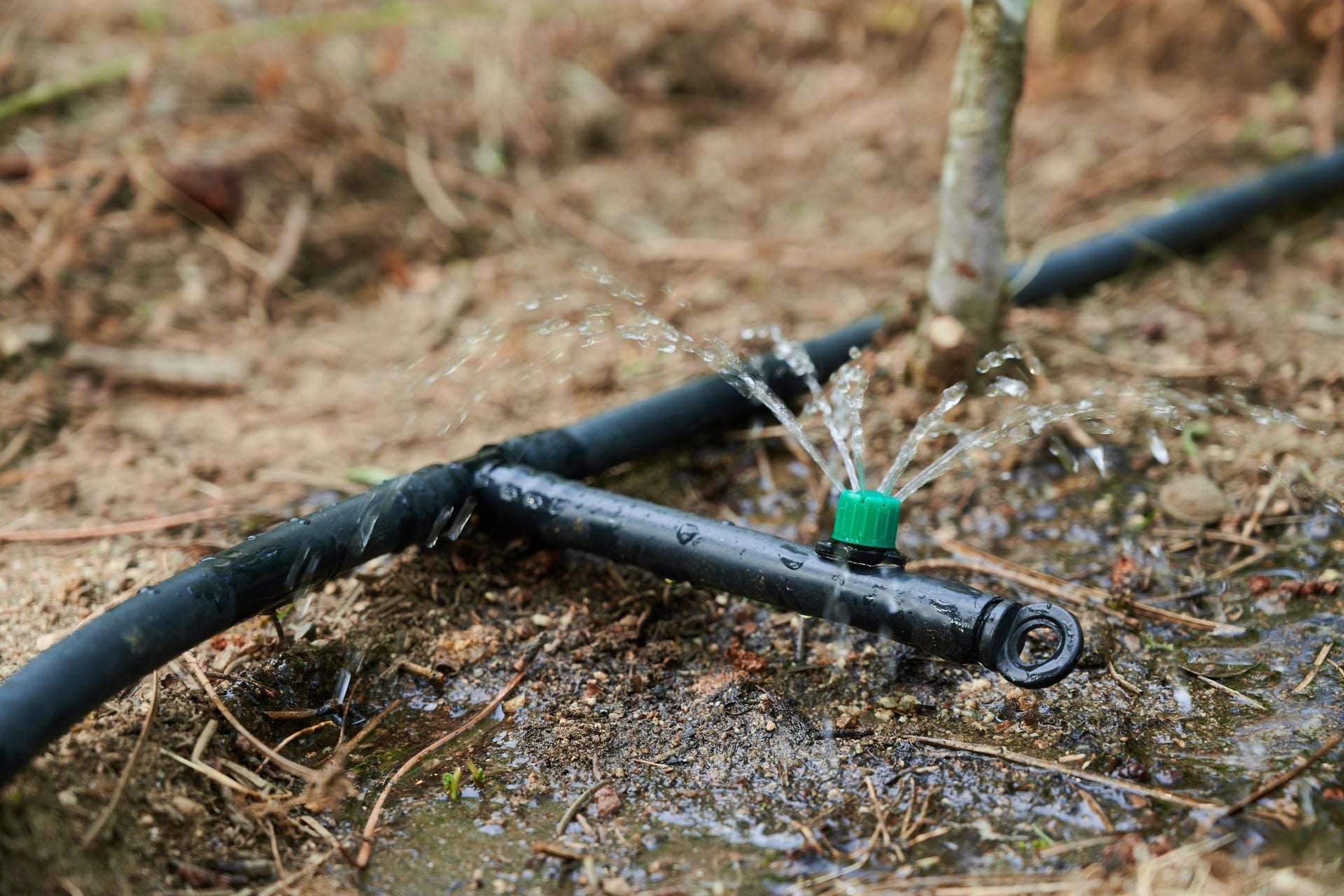
While it’s natural for Earth’s freshwater stores to fluctuate, human activity has become a dominant driver of groundwater depletion. In many parts of the world, extracting groundwater for irrigation, industry, and municipal uses has become a fundamental component of the water cycle, and climate change is only adding to this strain.
“Estimates of global total freshwaters withdrawals range from 3,800 to 5,000 gigatons per year, and unsustainable practices have resulted in pervasive water scarcity,” O’Neill and her colleagues write in their report. “Identifying and accurately quantifying anthropogenic, long-term changes in freshwater resources is critical for implementing strategies to ensure water and food security.”
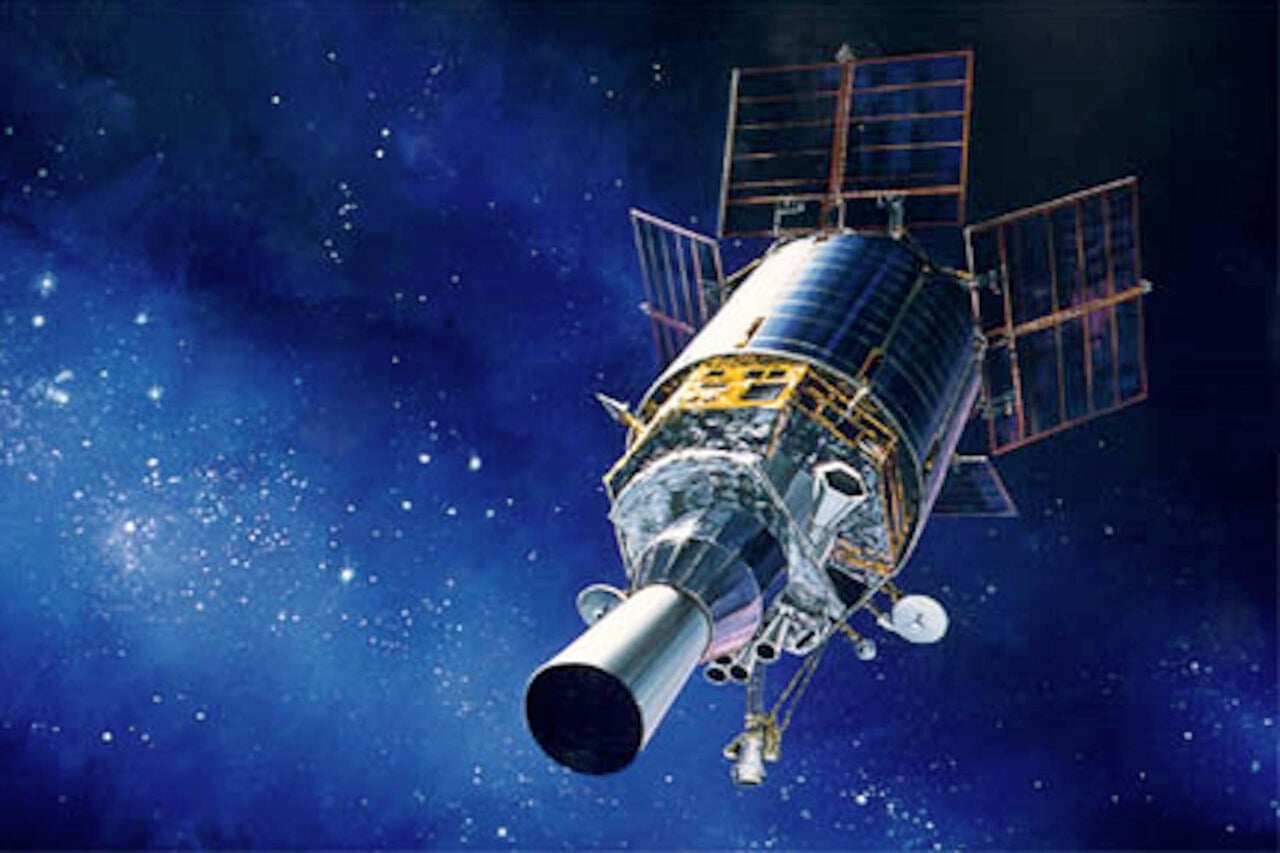
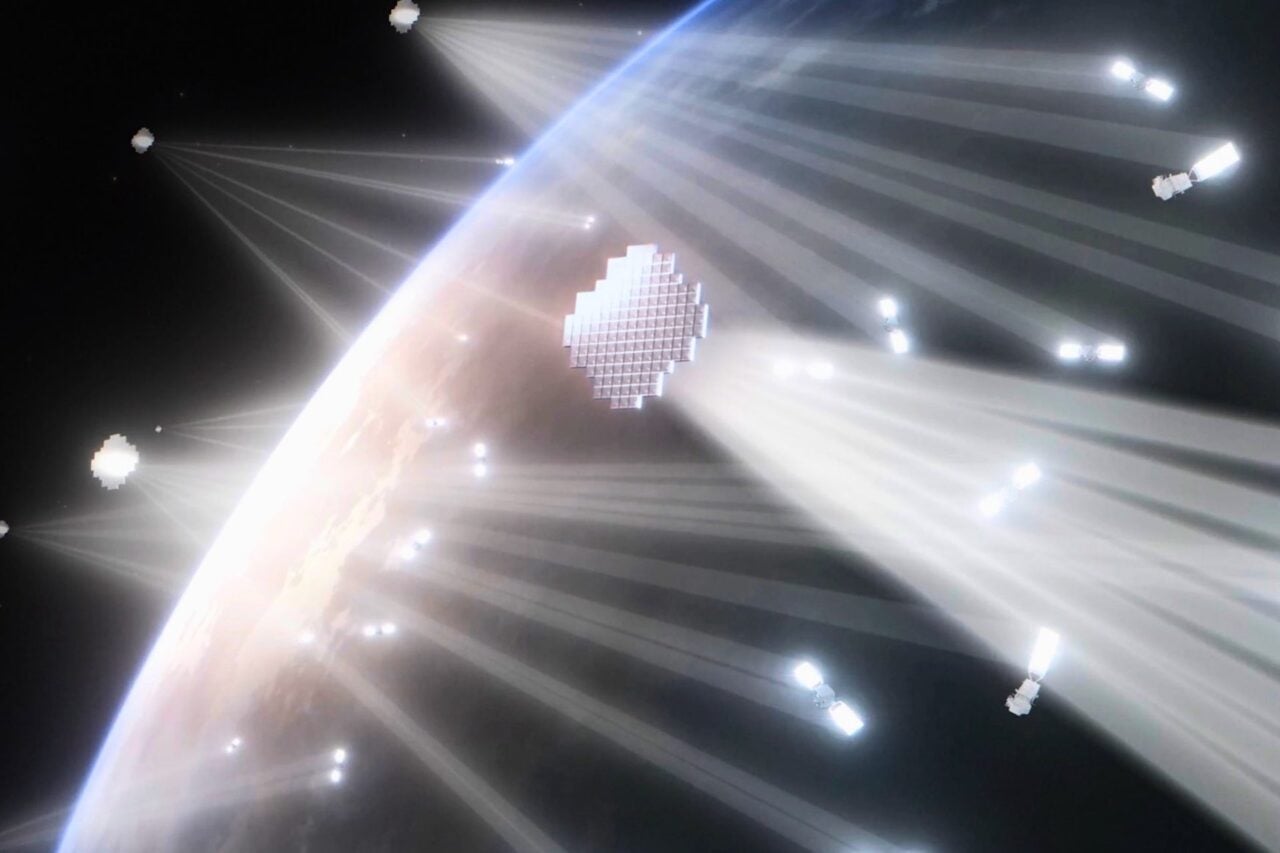
To that end, scientists have used data from NASA’s Gravity Recovery and Climate Experiment (GRACE) and its successor (GRACE-FO) in hundreds of studies to track changes in global freshwater supplies. These two satellite pairs, launched in 2002 and 2018, respectively, have used precise satellite-to-satellite measurements to quantify tiny shifts in Earth’s gravity field that allow researchers to infer redistributions of mass in the atmosphere, oceans, and continents.
The trouble is, previous methods for analyzing GRACE and GRACE-FO data could not reliably detect changes in areas smaller than roughly 58,000 square miles (150,000 square kilometers). To pinpoint exactly where freshwater depletion is most severe, the researchers behind this new study applied an innovative processing method to global, non-polar terrestrial water storage data gathered between April 2002 and November 2025.
This allowed them to produce a terrestrial water storage trend map with five to 10 times the spatial resolution of traditional maps. The researchers then zeroed-in on hotspots of freshwater depletion and used statistical models to investigate how climate change and human activity were related to these changes.
Sucking aquifers dry
The analysis revealed 40 regions where human activities are the main driver of decadal changes in terrestrial water storage. In fact, anthropogenic land and water use was significantly associated with strong terrestrial water storage trends in every non-polar continent except Australia, and losses substantially exceeded gains.
Regions such as the Middle East and northern Africa, northern India, the western United States, and southeastern Brazil were among those with widespread losses. The study shows that groundwater pumping is playing a significant—and previously underestimated—role. Earlier estimates of terrestrial water storage declines associated with groundwater extraction were, on average, 45% lower than this new estimate, according to the researchers.
“A key conclusion from this study is that freshwater storage trends in many heavily managed basins and aquifers are more acute than previously estimated, which has implications for food and water security, hydrological and climate modeling, and comprehension of the delicate balance of Earth system processes,” they write.
The revealing findings underscore the need for better groundwater management, particularly in regions where agriculture depends heavily on below-ground water sources.