
In a new book, The Year of the Puppy , Alexandra Horowitz describes what scientists like her are learning about the first year of dog life.
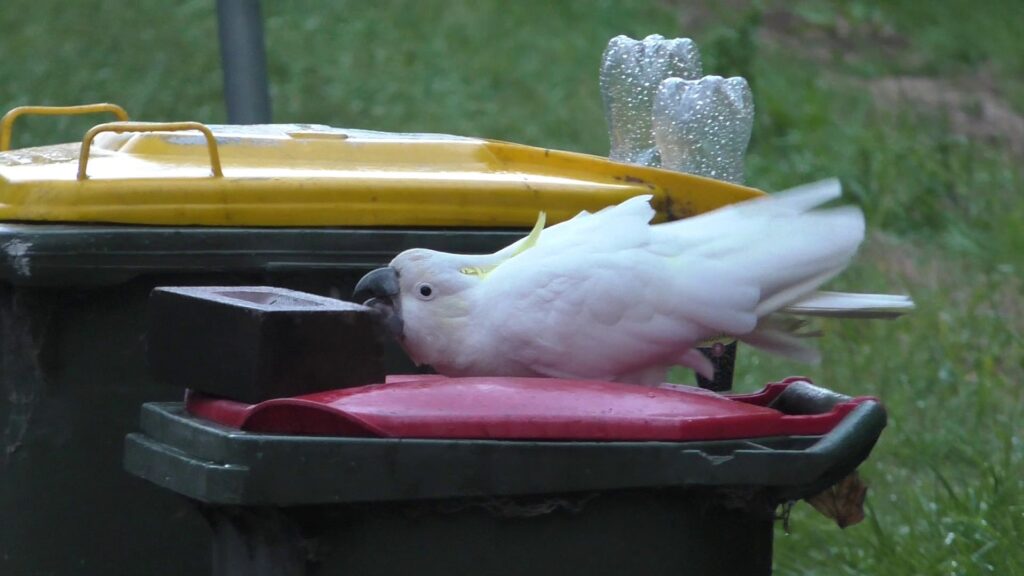
Wild parrots in Sydney, Australia have learned to break into protected bins, but people are developing innovative counter-measures.
From turacos to ptarmigans, these photos show birds in all their avian glory.
The system logs the cat's litter time so the owner can be informed of its bowel movement.
This year’s BMC Ecology and Evolution image competition showcases zombie flies, alcohol-loving birds, and scuba-breathing lizards.
Evacuation plans for hurricanes and wildfires don't always take pets into account.
An undersea expedition is surveying the Mid-Atlantic Ridge for the first time. They're capturing astounding footage of marine life.
The winner of a new sweepstakes will get to accompany scientists on a five-day ocean research expedition, which will include a great white shark encounter.
Sand temperature determines if a new sea turtle hatchling is a male or female.
A Chinese PC case maker called MetalFish finally lives up to its name.
Unlike its living cousin, Agriarctos nikolovi probably didn’t eat bamboo.
There've been at least 58 attacks on people since July 8. It's so bad that the city of Yamaguchi has created a special unit to hunt and tranquilize the animals.
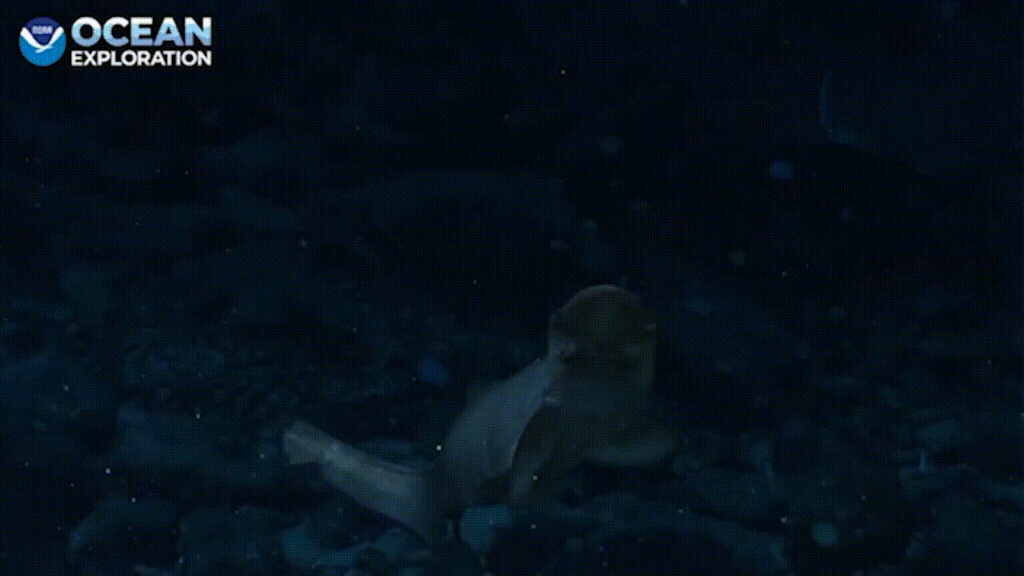
Scientists say it's the first time that a sleeper shark has been spotted in the western Caribbean waters off Belize.
None of us asked for kitty facial recognition or a dog leash that tracks your every move, but that won't stop innovators from innovating.
The Mars Petcare Biobank will track the health of 20,000 pets over the next 10 years, in hopes of learning more about our furry companions.
Several great white sharks have been found dead with gruesome injuries. Researchers think a pair of killer whales is to blame.
The Petvation keeps racoons, squirrels, and neighborhood kids locked out.
The impressive memory of the frog-eating bats may help them as hunters.
We suddenly know a whole lot more about Demodex skin mites, thanks to a newly sequenced genome.
The findings are exciting, but many questions remain about this population.