In shocking news, Ian Fleming has risen from the grave to condemn—wait, no, that’s not right. Let’s take it from the top. In shocking news, the developer behind the 1990s platformer series James Pond, who is very much alive, has condemned the apparent use of AI in the upcoming Nintendo Switch 2 anthology series James Pond Legacy: The Pond is Not Enough.
The anthology collects all three James Pond games: James Pond: Underwater Agent (1990), James Pond: Codename Robocod (1991), and James Pond 3: Operation Starfish (1993), along with 1992 spin-off The Aquatic Games. System 3 Software—the veteran gaming company that shares the rights to all four games—announced the anthology last week, and posted a 90-second trailer on YouTube to promote the release.
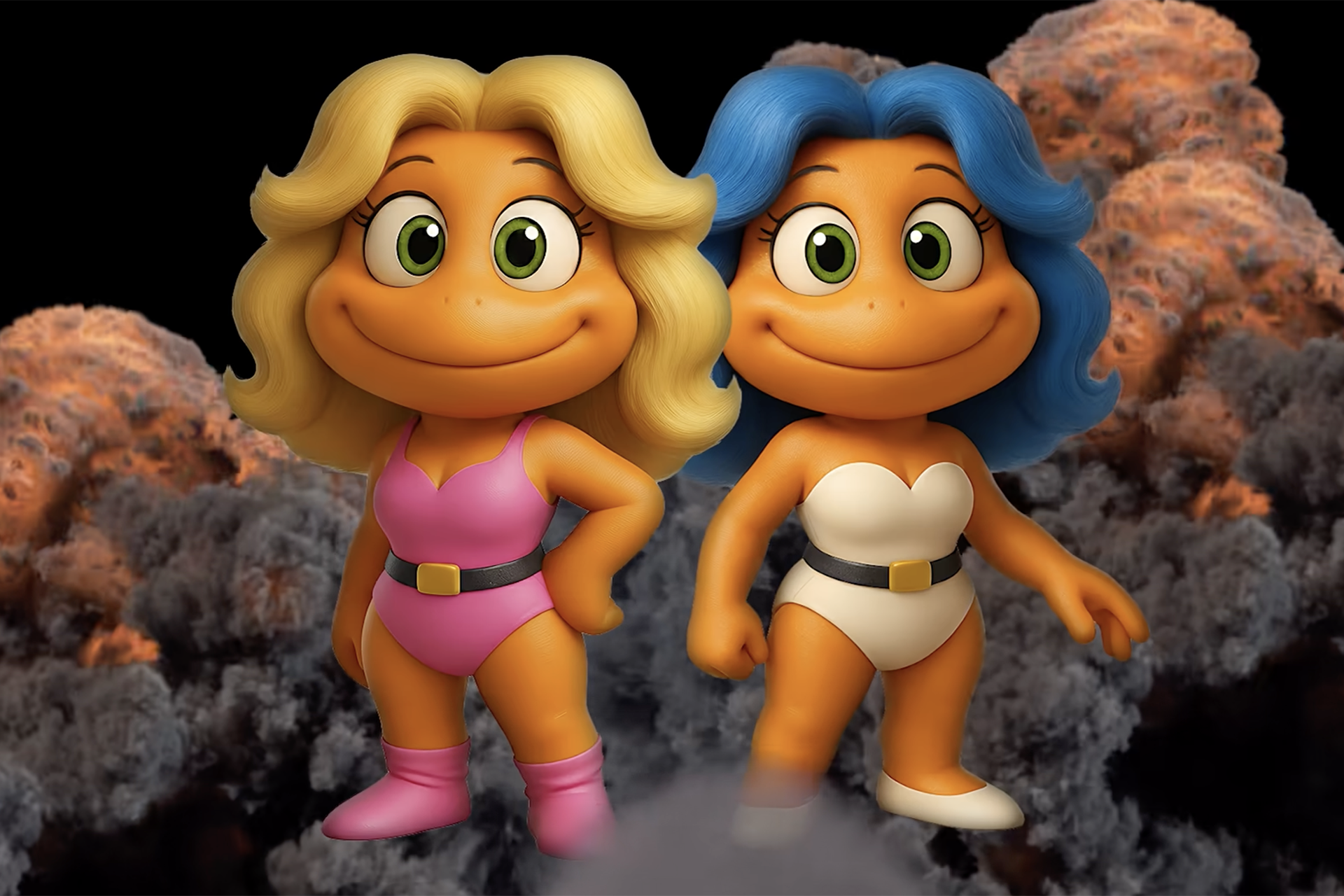
The only problem? Both the game artwork and the trailer itself look awfully like they make heavy use of generative AI. The trailer, in particular, which debuts 3D versions of the series’ original 2D sprites, went down like the proverbial sack of poop on YouTube—so much so that System 3 turned off comments until it published a “clarification”, which now remains as the video’s pinned comment. The post says, “to be absolutely clear, no generative AI was used in the James Pond Legacy trailer or character artwork” and linked to a blog post setting out what System 3 says was the creation process behind the new character artwork.
Amongst those not buying System 3’s explanation is James Pond’s creator, Chris Sorrell. In a depressingly familiar story, the rights to the James Pond IP have moved around between various companies in a game of pass-the-parcel over the last two decades, and in 2026, Sorrell no longer has any control over what’s done with his creation. And boy, is he mad about it.
In an interview with Time Extension, Sorrell absolutely tees off on System 3. He says that he was “in no way consulted or involved with this ‘legacy’ collection.” He trashes the company’s blog post about how the games’ characters were absolutely not created with generative AI: “If you want me to believe for a second that the final cow image isn’t AI, how about showing me a wireframe mesh inside a 3D package?” And he finishes by decrying “how soulless businessmen have been exploiting a brand for decades, have zero respect for anyone who made the original games, and prefer to use garbage AI over paying developers for any new material. So, yeah, I wish them the worst—I hope they choke on an AI-generated fishbone.”
Phew. And look, it’s hard to blame Sorrell for being angry. It’s hard to imagine any developer working in the ‘80s or ‘90s giving even a passing thought to what might be done with their games in 25 years’ time, let alone that the character they created might be “recreated” by a machine trained on the hard work of every creator whose work has ever touched the internet. It must be incredibly frustrating to see something you created (and that people still associate with you personally) being milked for every last penny—especially if you see none of those pennies.
The story also touches on what we recently discussed in the context of Amplitude Studios’ trailer for Humankind 2 facing allegations of using generative AI. That is the fact that, in the absence of a flat-out mea culpa, no one will ever really know whether these characters and the trailer were AI-generated. Ultimately, all we’re left with is suspicion—and a whole bunch of anger around what began as a silly aquatic spoof of James Bond. The trailer should have been fun! The re-release should have been fun! This isn’t fun!