We'll give you a hint: It lives underwater, but it doesn't swim. At least, not as an adult.
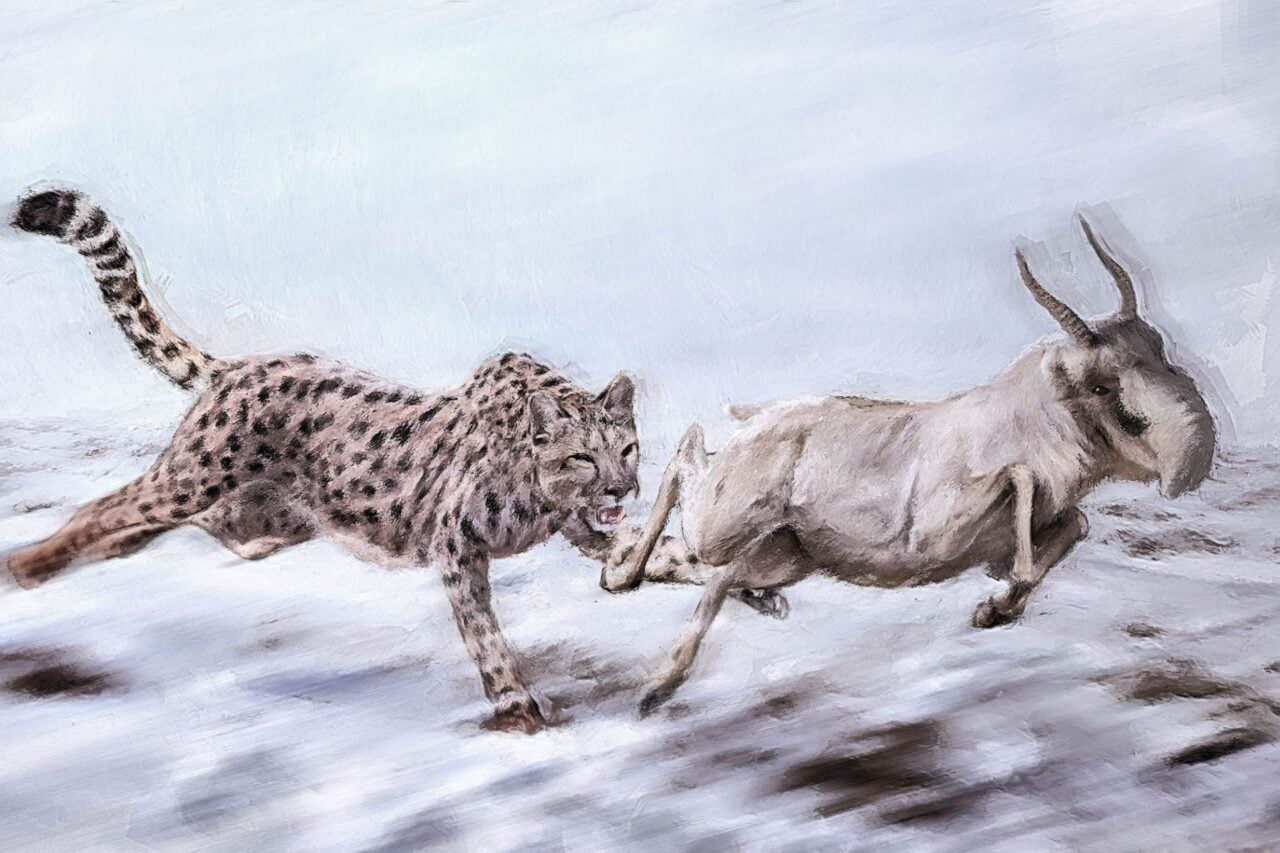
The discovery marks the first time scientists have found mummified big cats in the Arabian Peninsula.
And they've proposed two "kind of crazy" ideas for how it got there.
This annual competition showcases photography that documents extraordinary moments in natural history and highlights conservation issues.
The third season of this Apple TV+ natural history docuseries invites viewers to experience life during one of Earth’s most dramatic climatic shifts.
A controversial conservation strategy that has sparked division among both lawmakers and environmentalists will move forward.
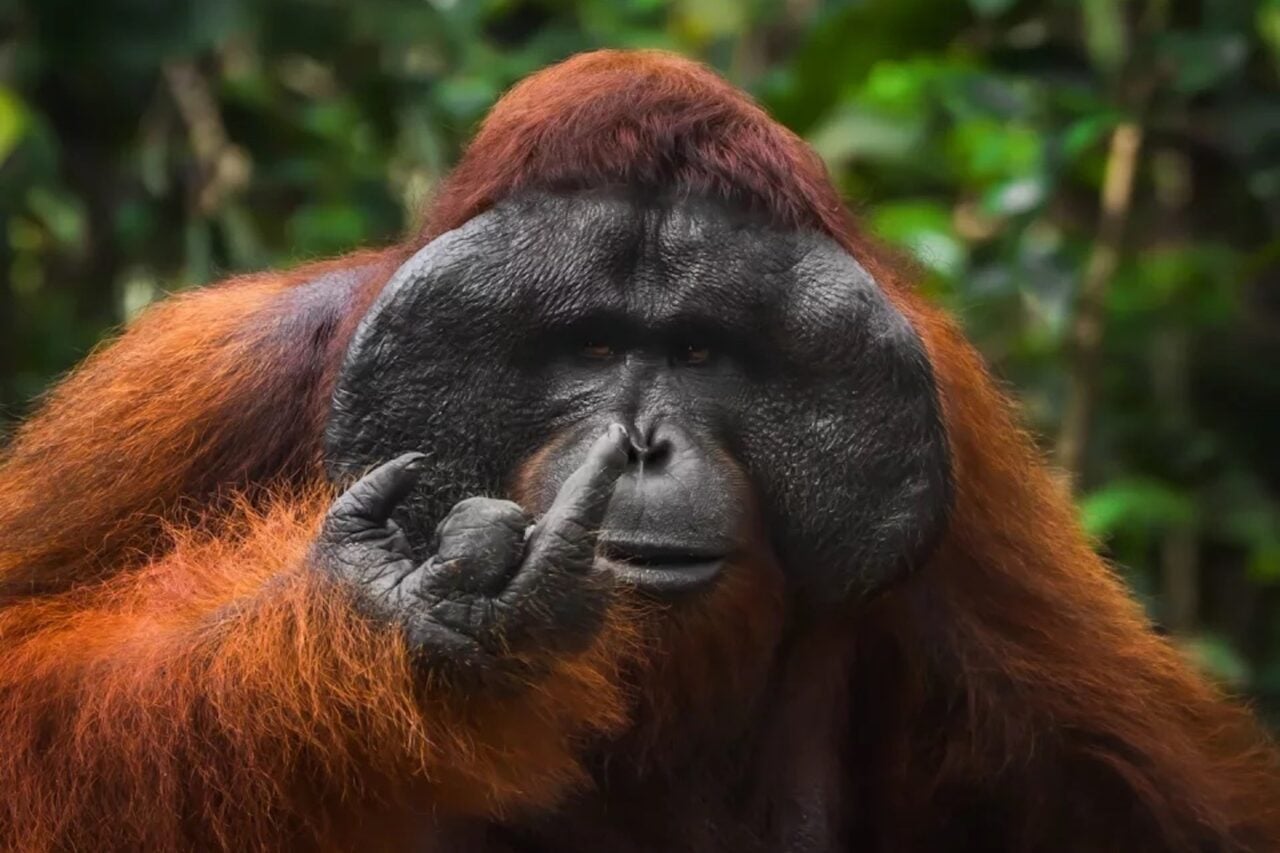
This annual contest celebrates the most hilarious wildlife photos of the year, from headless flamingoes to grinning brown bears.
From Moon-gazing rattlesnakes to caterpillars with bizarre headgear—this year's winning photos will surely take your breath away.
Dogs can exhibit obsessive behaviors around their favorite toys, new research suggests.
This annual contest celebrates photographers who will do almost anything—even slather themselves in petroleum jelly—to capture nature’s best shots.
Birds of a feather may flock together, but in the Camargue region of France, migratory pink flamingoes age slower than resident flamingoes.
Scientists know little about the elusive river otters living along the East Coast, but a new study inspired by one bizarre, smelly poop offers some much-needed insight.
The number of peer-reviewed studies using iNaturalist data has surged more than tenfold in the past five years, new research shows.
Everything you need to conduct citizen science fits in the palm of your hand.
Animal welfare organization TideBreakers is calling for international action, warning that a killer whale mother and her calf could be euthanized.
As scientists use machine learning to decode the sounds of whales, dogs, and dolphins, opinions vary on how best to deploy the technology.
The Mount Augustus snail was nearly driven to extinction 20 years ago.
Brood XIV will emerge this summer to overwhelm predators, shake up ecosystems, and terrify everyone with eardrums.
A cute observation in the cephalopods' behavior indicates they also react to sound waves, a notion that will soon be tested with a machine learning approach.
The tiny hitchhikers might be yucky, but they’re also a sign of a thriving deep-sea ecosystem.