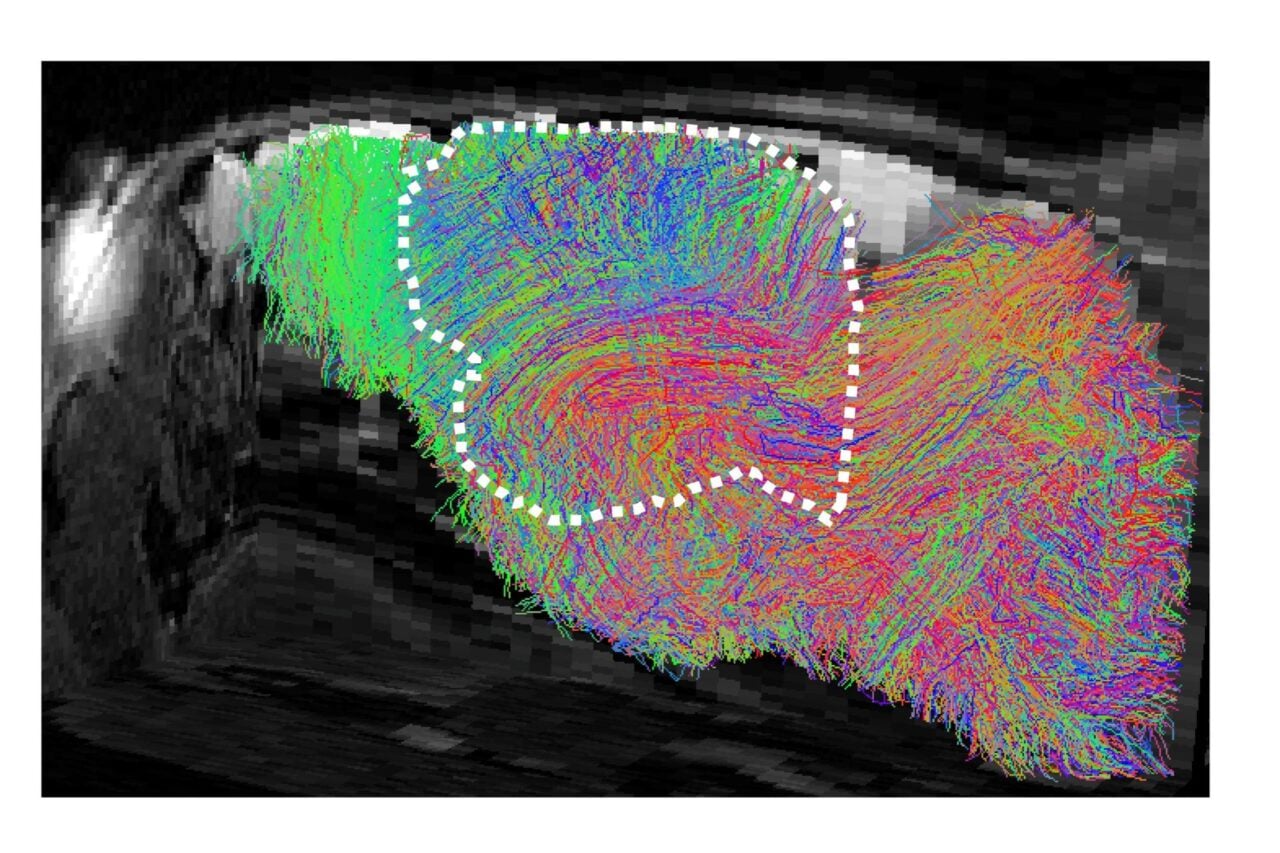
It turns out your brain fluid swishes around with more “bidirectionality” to clean up while you sleep.
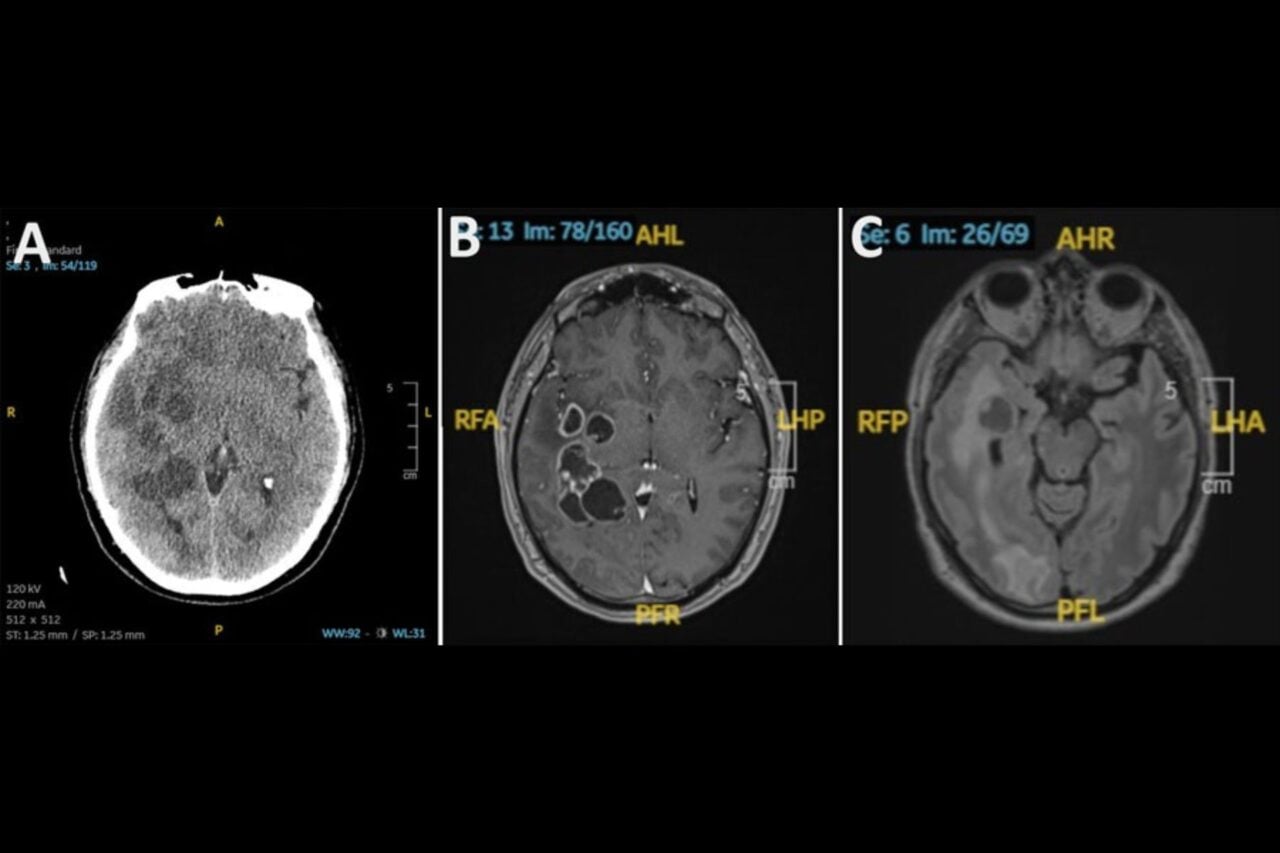
A new case report illustrates the deadly impact of subacute sclerosing panencephalitis, a rare complication of measles infection.
Six-year-old Woody has recovered well enough to take his daily walks again.
Less than two dozen cases of extremely early-onset frontotemporal dementia have been documented worldwide.
New research shows a worrying connection between untreated apnea and a well-known neurodegenerative disorder.
Risk factors for epilepsy, like poor sleep, might be more common in certain regions of the U.S., researchers say.
Harvard researchers have found evidence in mice and human brains that the element lithium could be key to a healthy brain.
Gabapentin is routinely used to treat nerve pain and restless leg syndrome, but it might be riskier to our brain health than currently thought.
Several larger trials of ambroxol for Parkinson's are already underway.
The novel wireless tech could provide a comfortable alternative to the traditional EEG.
A new study reveals that you're more likely to remember solutions from aha moments than ones you reach intentionally.
Neurologists reexamined over two dozen cases identified as part of a unknown brain disease cluster in New Brunswick.
Scientists argue that blanking out is its own state of consciousness, distinct from having your mind wander off.
Vaccinated people's risk of dementia was reduced by 20% over a seven year period, researchers have found.
Recent MRI research suggests our brains can turn to an unexpected source of fuel in times of need, like running a 26.2-mile race.
Research announced today is the first of its kind to suggest that anti-amyloid drugs can delay or even stop the progression of symptoms in people with early-onset Alzheimer's.
A company is selling what it calls the world’s first “code deployable biological computer.”
A new commentary highlights the potential health risks of microplastics in our bodies and brains.
In a new study on mice, an experimental antibody treatment reduced the lingering after-effects of head injuries.
Scientists are testing an experimental anti-amyloid antibody in people expected to develop early-onset Alzheimer's.