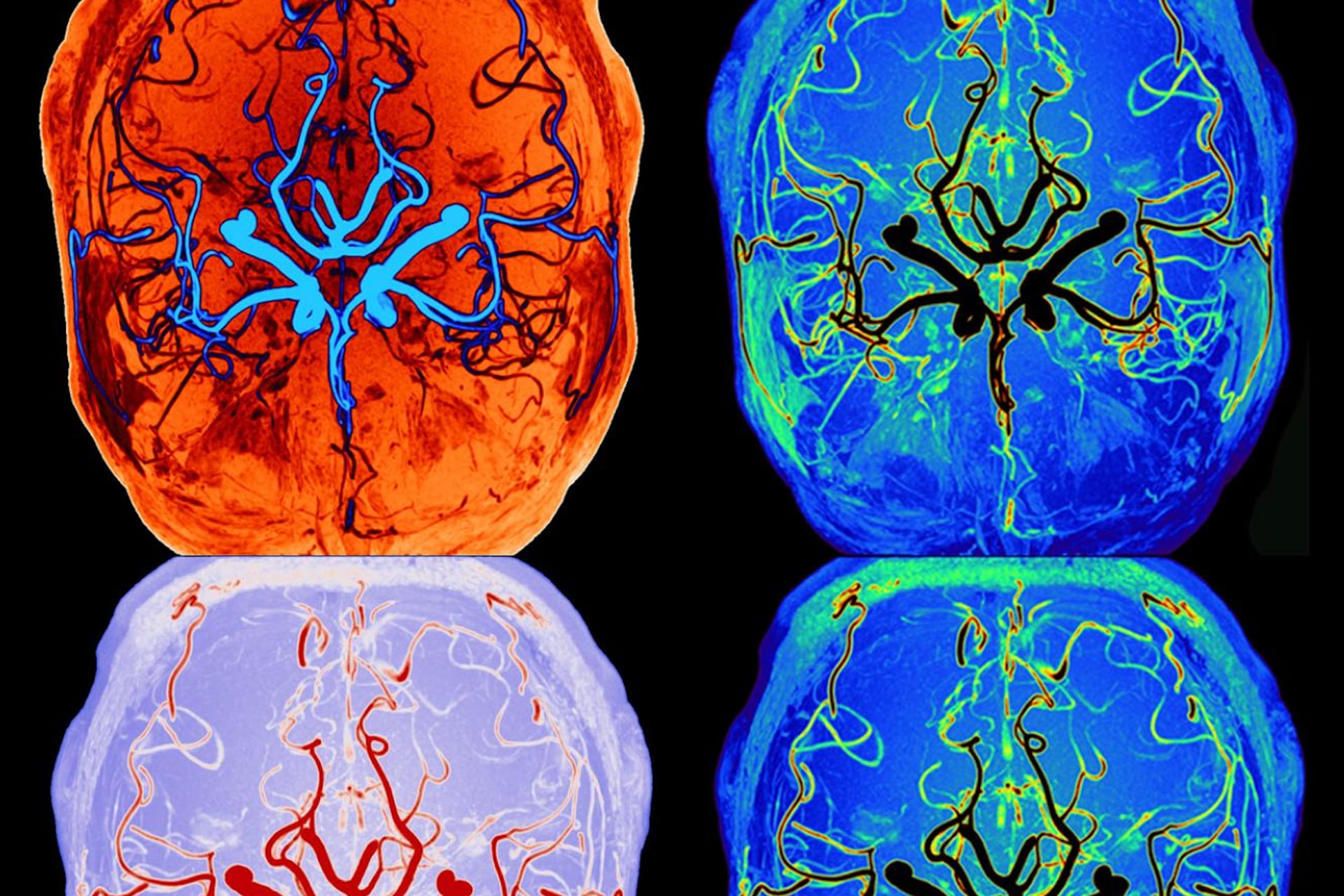
That feeling when you wake up “refreshed” after a good night’s sleep is a lot less metaphorical than you might realize, according to new research from neurologists in Finland.
Two new studies by a team at the Nordic country’s University of Oulu have unveiled a new, fast-paced, magnetic resonance imaging (MRI) technique that’s precise enough to track the movement of water molecules in brain fluid. The team found that—while blood vessels dilate and the body’s blood pressure generally decreases during sleep—the rate of “vasomotor” pulses created by the brain’s blood vessel walls, as well as other pulses generated by the rhythms of your breath and blood flow, speed up.
“This shift is thought to reflect more efficient water filtration in brain tissue,” the university explained in a news release. But, given that this new research also reports that this additional brain-fluid sloshing includes an increased flow of electrolyte ions like sodium and potassium, I’m going to go ahead and give you permission to think of this as your brain swishing salt water around to clean itself up. It’s a bedtime classic rinse. Your brain is (metaphorically) gargling.
Neuroradiologist Vesa Kiviniemi, the professor at Oulu who led the research, said he hopes their new imaging methods help to better monitor and treat neurodegenerative disorders and other cognitive issues that tend to naturally occur as people get older.
“New measurement methods open up possibilities to monitor—and in the future potentially treat—age-related changes in brain fluid dynamics,” Kiviniemi said in a news release.
A ‘bold’ plan
When the human body is awake, cerebral blood flow is guided toward the direction of the brain’s active neurons, a phenomenon known as “functional hyperemia.”
Prior to these new studies, medical researchers who wanted to track this kind of fluid flow often had to resort to the injection of moderately invasive MRI contrast agents, typically incorporating the weakly (but usefully) magnetic rare-earth element gadolinium. Instead, Kiviniemi and his functional neuroimaging group at Oulu developed something faster and less invasive.
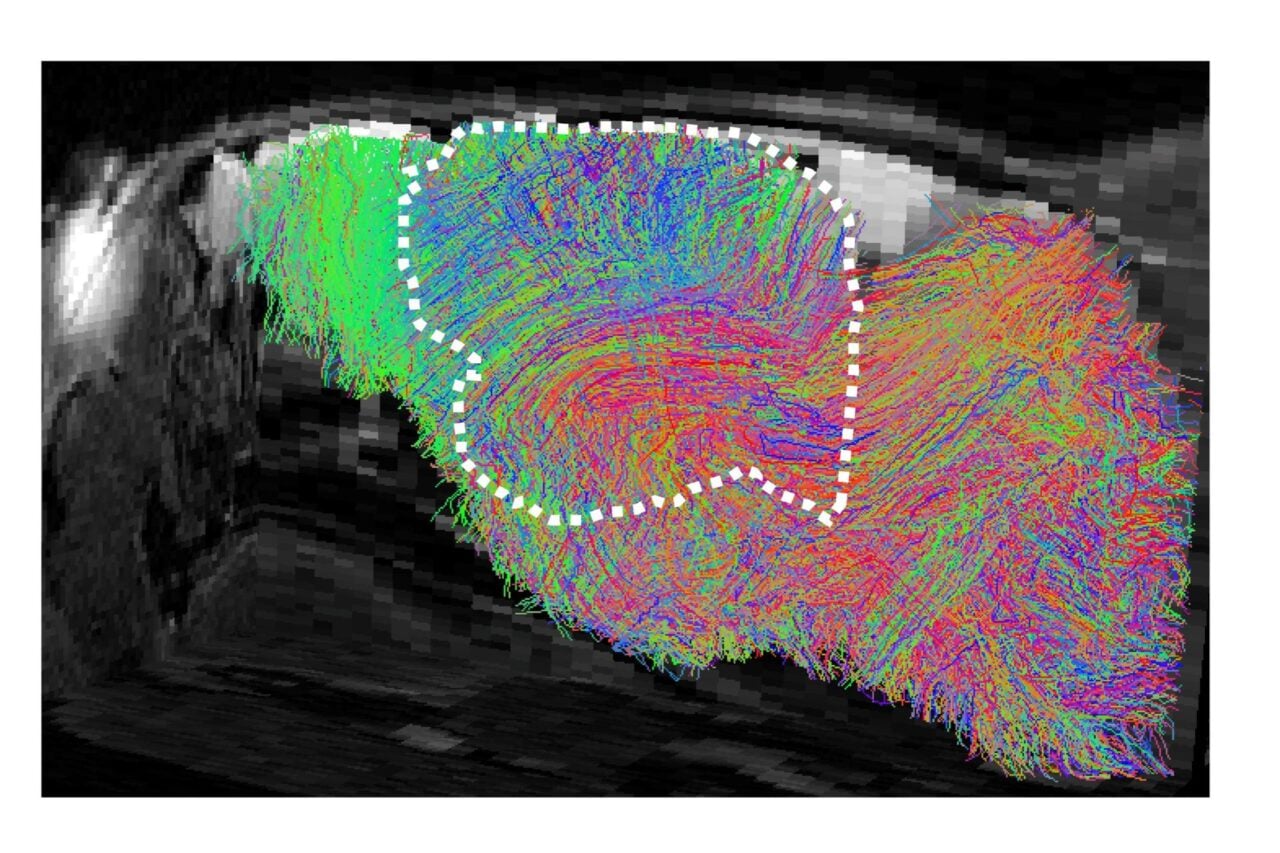
They developed a method that incorporated a suite of several real-time measurement techniques: First, the team employed an “ultrafast” MRI sequence known as magnetic resonance encephalography (MREG), which traces pulsed waves of water molecules inside the cranium. On top of that, they simultaneously performed direct-current electroencephalography (DC-EEG) which helps track slow, rhythmic electrical oscillations in the brain, as well as heat-tracking functional near-infrared spectroscopy, which they used to track water concentration changes.
Their first study, published this February, tested their MREG’s ability to track pulse changes and fluid flow in the brains of 22 volunteers, both awake and asleep. Their second study, published this March in the Proceedings of the National Academy of Sciences, folded those MREG methods into a “blood oxygenation level-dependent” (BOLD) tracking of these cranial fluid flows, alongside the infrared and DC-EEG tracking, across the real-time sleeping and waking patterns of 24 volunteers.
The process could take as little as five minutes, but roughly 46 minutes of wakefulness and about an hour of various sleep states were recorded for each volunteer.
Kiviniemi’s team discovered that the strongly directional flow toward neurons in waking life shifted when their 24 healthy young volunteers were asleep. “During sleep, these interactions changed such that the net directionality was lost and the interactions became more bidirectional,” the team said in their second study. This move to “increased bidirectionality” was particularly noticeable in parts of the brain dealing with sensory inputs and cognitive functions, like the posterior insula, the thalamus, and the upper cerebellum.
Another kind of brain wave
We tend to think of brain waves as electrical pulses, but a key part of Kiviniemi’s research is pulsed waves in the actual fluid, the cerebrospinal fluid, that the brain safely floats within.
Pulses by blood vessels in the brain produced a vasomotor pulse in this fluid at a rate of roughly one wave every 10 seconds (0.1 Hertz). But some portion of these slow, soothing waves, according to the researchers, appears to be aided by the release of potassium and sodium ions released from their daytime signaling role inside neuron cells. In sleep, these electrolyte salts appear to contribute to the waves of mild osmotic pressure inside the cerebrospinal fluid that the brain floats in. (This is that swishing or gargling that’s helping the brain clear waste in its sleep.)
All of this motion has subtle but dramatic effects on the sleeping brain that the researchers are only beginning to understand: “During sleep, vasomotor waves in particular … begin to locally influence not only fluid movement but also the brain’s electrical activity,” Kiviniemi explained.
The team hopes to study volunteers for longer stretches—ideally a full night’s sleep—rather than just a few minutes in their BOLD MRI scanner.