LIGO dropped a ton of new data, and astronomers are having a field day.
In a strange turn of events, a supernova birthed twin baby neutron stars that merged to make a powerful kilonova.
The black hole was bigger than expected, and while the answer was hiding in plain sight, it still rewrites what we thought was possible.
And it’s not clear if anything can be done about the problem.
Ten years after LIGO’s historical detection of gravitational waves, the project is cracking black hole mysteries at an astounding pace.
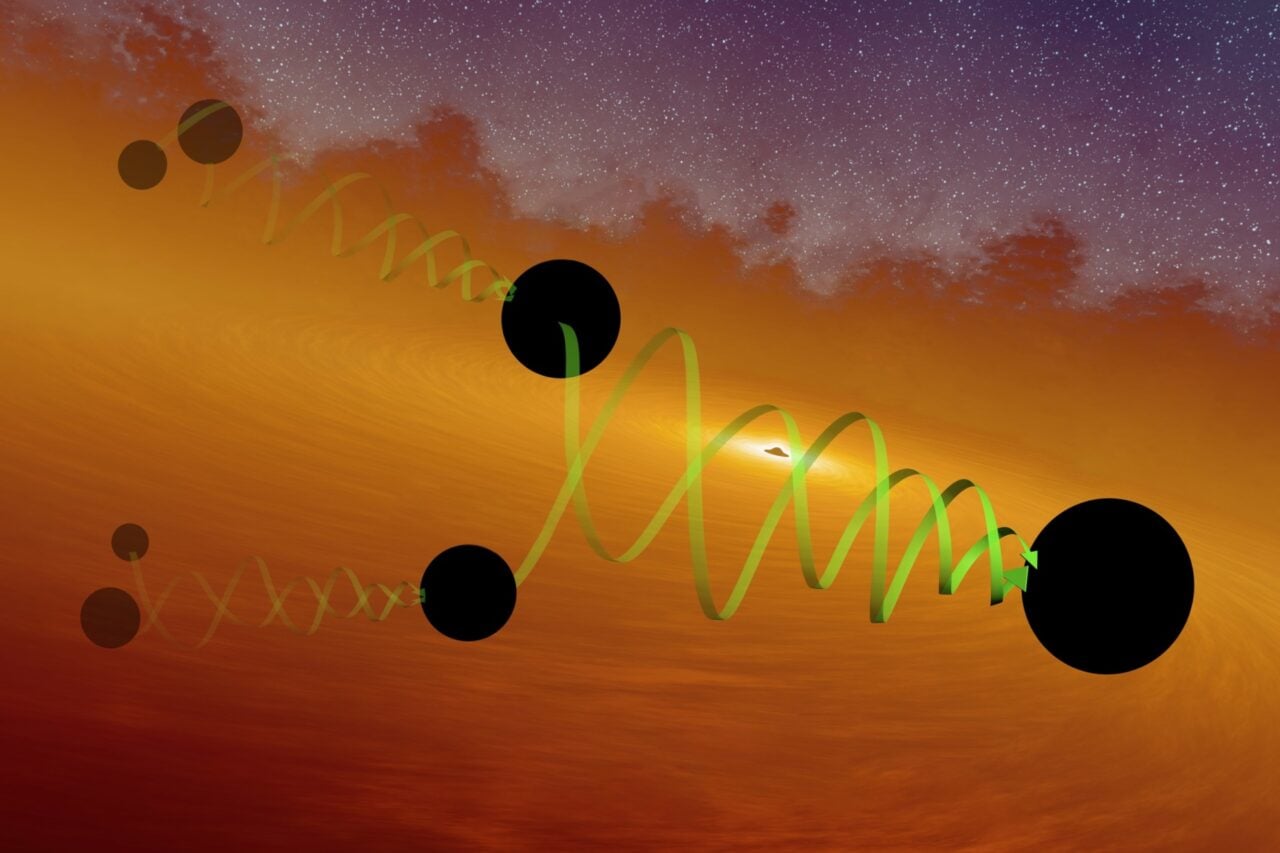
The powerful merger, designated GW231123, produced an extremely large black hole about 225 times the mass of our Sun.
The 2026 budget request states that NSF will operate only one of the two LIGO sites, drastically reducing its cosmic listening ability.
LISA is set to revolutionize our understanding of the gravitational universe and the interactions that make the entire cosmos turn.
If an extraterrestrial warp drive collapses, we might be able to sense the resulting gravitational waves from Earth.
The event, which occurred when the universe was 740 million years young, gives scientists a clue about the number of light black holes in the universe.
The black hole lurks just 2,000 light-years away in the constellation Aquila.
A neutron star merged with something unknown. Physicists think it might be a mini black hole.
The eerie giants of the cosmos keep their fair share of secrets.
Imagine LIGO, but flying through space. That’s LISA.
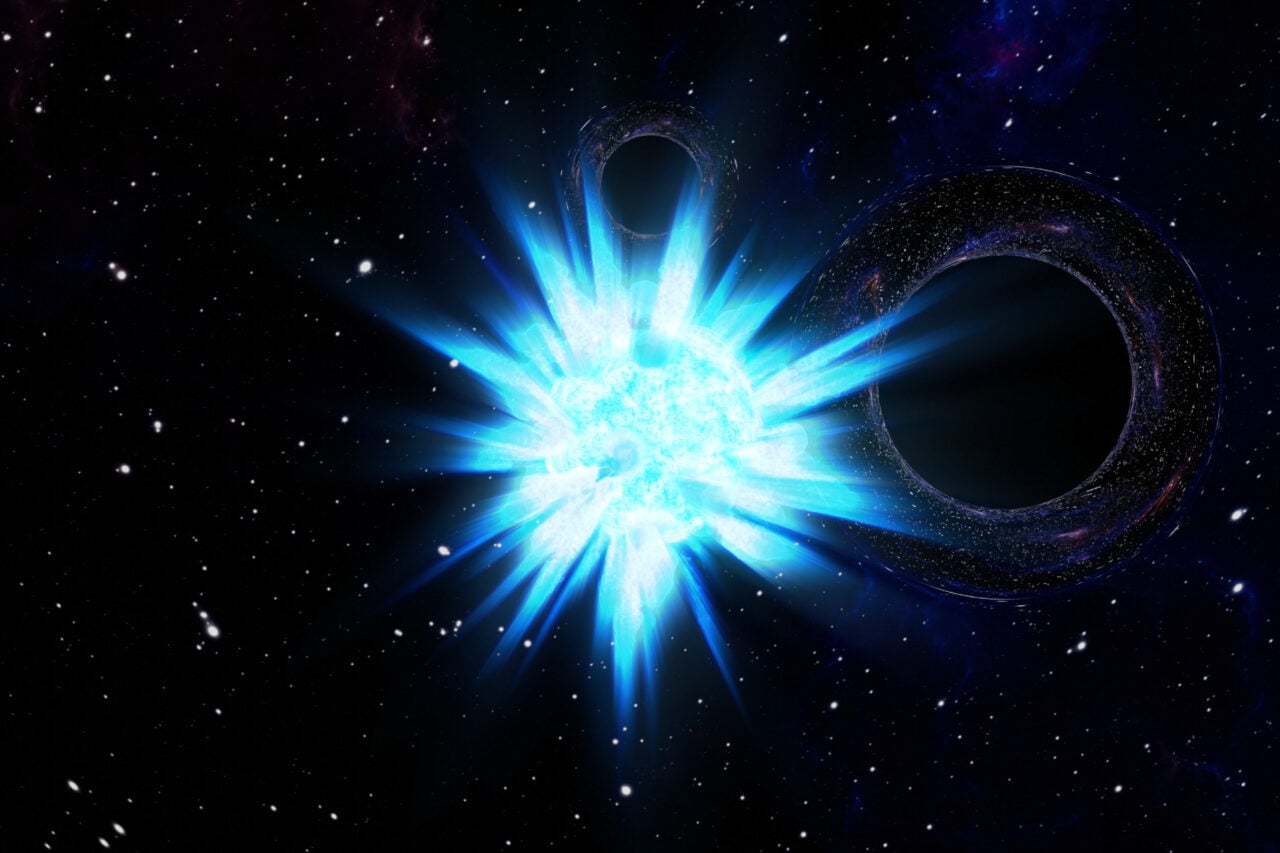
The super-dense object doesn't quite fit with what we know about black holes or neutron stars.
Space's latest X-ray telescope, aptly named after the most famous physicist of all time, is poised to unveil the mysteries of nature's most extreme phenomena.
Four institutions will become stewards of the observatory as it becomes an education center.
A visualization of simulated data shows how ripples of spacetime might populate the Milky Way.
The spinning, dead star was emitting radiation in two modes, and a team of scientists believes it knows why.
The Event Horizon Explorer would build on the work of the Event Horizon Telescope, which famously visualized a black hole in 2019.