Scientists are uncovering a possible link between teenage mononucleosis and a chronic condition years later.
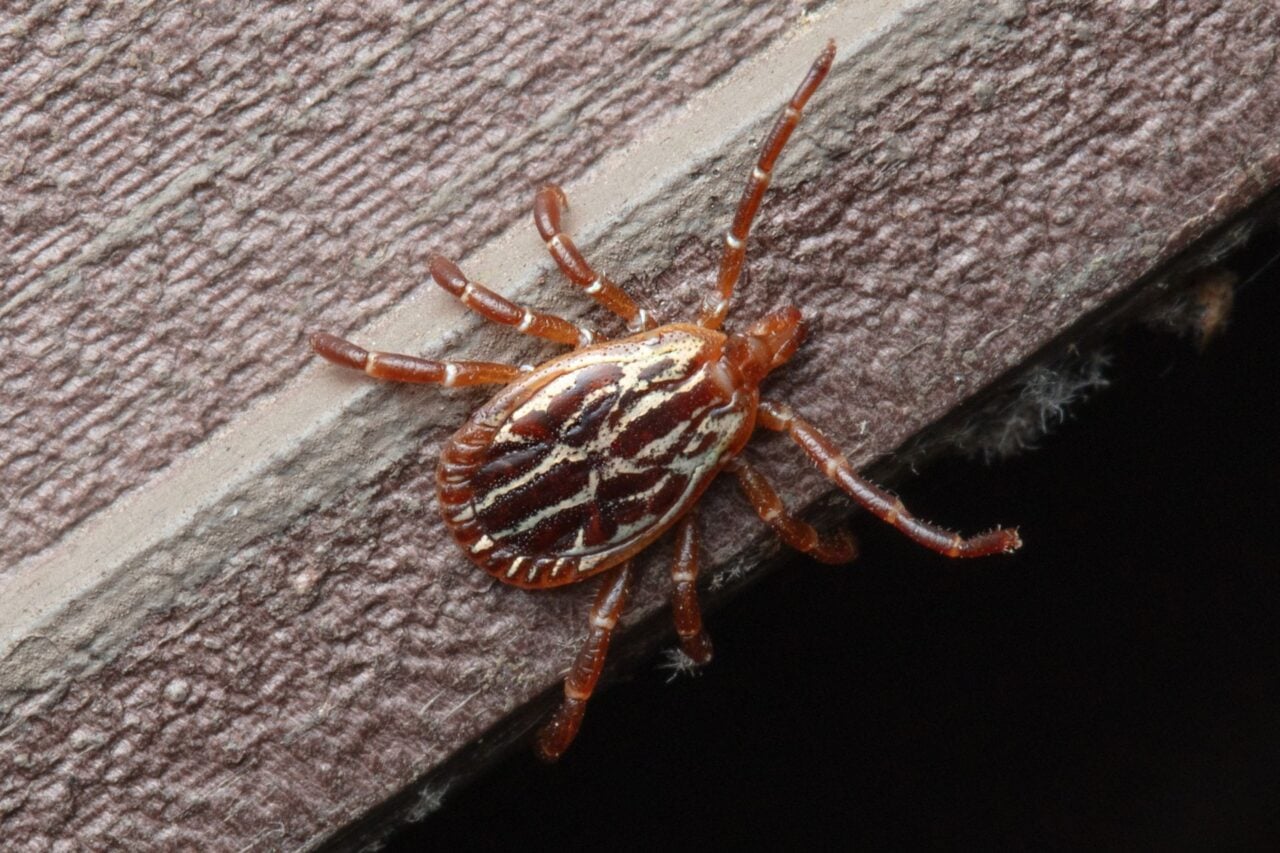
The findings show why checking yourself for ticks is especially important, the researchers say.
The Ebola virus, Cordyceps fungi, and even the stomach flu have helped inspire some of the most gruesome infectious diseases seen on the screen.
Manjit Sangha developed an aggressive case of sepsis, one that left her hospitalized for 32 weeks.
Subclade K is causing plenty of misery this winter. Here's what to know.
The findings might overturn a widely held belief that only females pose a disease risk to people, though more research is needed.
The affected dog, less than one-year-old, was euthanized last week.
What happens when your country's public health system is run by anti-vaccine activists?
Staff at an Ohio school were shocked to discover dozens of dead vultures on its campus. Even more shocking was the response from the state's wildlife officials.
Scientists are warning that this winter's flu vaccine will be less effective against an emerging variant of H3N2 flu named subclade K.
The Florida Department of Health found that several patients of Lily J. Voepel caught the bloodborne infection while under her care.
Researchers identify two pathogens in the remains of soldiers in Napoleon's army.
University of Maryland researchers are developing a vaccine that targets the dangerous foodborne bug, Salmonella.
Over 1,500 cases of measles have been reported in the U.S. this year, the highest toll since the disease was locally eliminated.
Researchers in Finland have found evidence that the plaque found in our arteries can contain bacteria that could set off a heart attack under the right circumstances.
Chagas disease is likely endemic throughout the southern half of the country, researchers argue in a new paper.
Health officials in Louisiana have reported two deaths this week from Vibrio infections linked to oysters harvested in the state.
If you've recently caught a cold, you might be less likely to get covid right after.
New research exposes a startling lack of real-world testing for air-cleaning tech meant to fight airborne infections.
While rare, Naegleria fowleri infections have a 98% mortality rate.