Although Star Trek‘s utopia might seem like a place where galactic powers would be beyond counterintelligence, the franchise has always loved spies. From loving pastiches to their role as a place to navigate shades of gray otherwise untouchable, spy work has long been a backbone of Star Trek storytelling—which means almost every galactic power has at least one spy agency.
In fact, a lot of them have two! Star Trek loves to split the difference between what it sees as honorable spycraft: counterintelligence agencies performing recon work to safeguard their powers’ interests and a second, even more secretive black-ops division that does all the dirty work in a way that can be sequestered and disavowed… depending on the power, of course. Sometimes the dirty work is all they have!
From Section 31 to the Obsidian Order, here’s a brief rundown of the agencies we’ve encountered across 60 years of Trek history so far.
The Spies of the Federation

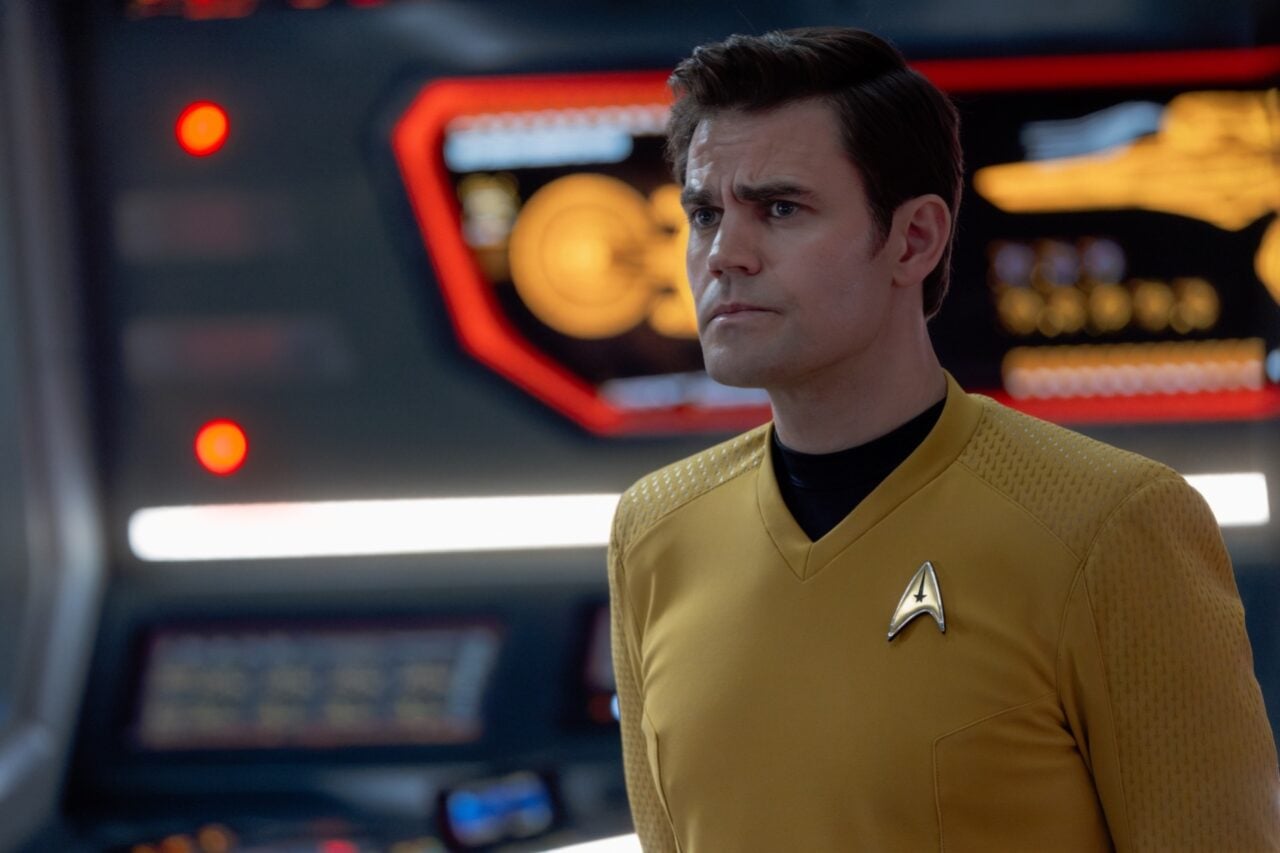
It’s perhaps not surprising that the Federation itself has the most famous spy divisions in Star Trek. Its primary counterintelligence agency is the aptly named Starfleet Intelligence, which came into existence while Starfleet was still a United Earth organization and before the founding of the Federation proper. Their secretive (but seemingly less and less secretive as time goes by) counterpart is Section 31, an independent black-ops organization named for an article of Starfleet’s founding charter that allowed extraordinary measures in times of extreme threat to Starfleet.
Discovery retroactively made Section 31 a much less clandestine branch of Starfleet Intelligence, although no less provocatively rule-bending, but by the time of even Enterprise and then into Deep Space Nine in the late 24th century, Section 31 is treated with the plausible deniability of being framed as a rogue, mystery faction that is not considered part of Starfleet and the Federation at all—allowing it to take those often horrific measures because the ends justify the means.
Deep Space Nine also briefly introduces the concept of Internal Affairs, a subdivision of Starfleet Intelligence that served to monitor security issues within Starfleet itself and ensure officers were following Federation law. However, considering that it was only ever depicted as a front for Section 31 agent Luther Sloan onscreen, it’s hard to say just how prevalent and distinct an agency it is compared to Section 31’s more clandestine approach to internal security.
It can also be presumed that each member world also has its own intelligence agencies on a planetary basis—we only know of a few specific forces at this level beyond Starfleet, however. One notable one, briefly mentioned in The Next Generation‘s arc about the potential reunification movement between Vulcan and Romulus, was the vulcans’ own intelligence agency, the V’Shar, distinct from Vulcan’s security forces. Enterprise also briefly mentions a Vulcan Intelligence, but it’s unknown if they were meant to be the same organization as the V’Shar.
The Spies of the Klingon Empire
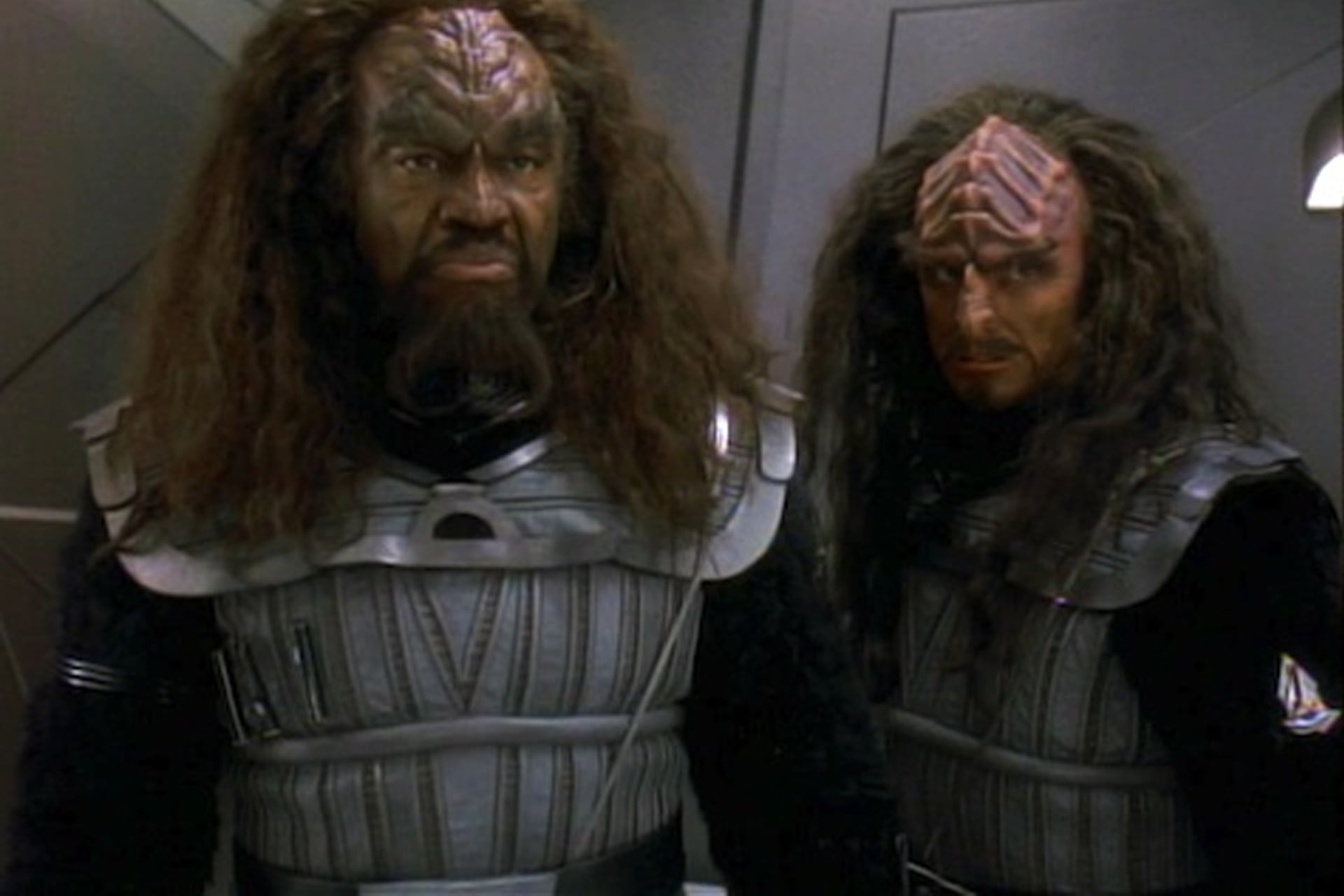
As far as we know, the Klingon Empire only has one intelligence force, Klingon Intelligence (known in some ancillary materials as Imperial Intelligence). The organization is not well-regarded within the Empire thanks to its honor-based culture, with Klingon spies often being subject to exile and formal declarations of dishonor from the Great Houses if their actions were exposed or thwarted.
We do know that Klingon Intelligence would operate with surgically altered operatives to better infiltrate non-Klingon societies—Arne Darvin, the primary antagonist of the iconic “The Trouble With Tribbles” (who then returned for Deep Space Nine‘s own anniversarial spin on that episode, “Trials and Tribble-ations,” under the free agent alias Barry Waddle), was exposed as an agent of Klingon Intelligence who had undergone cosmetic procedures to appear human. Little else is shown of Klingon Intelligence in on-screen Star Trek, beyond mentions of its reconnaissance activities on behalf of allied forces during the Dominion War.
The Spies of the Romulan Star Empire
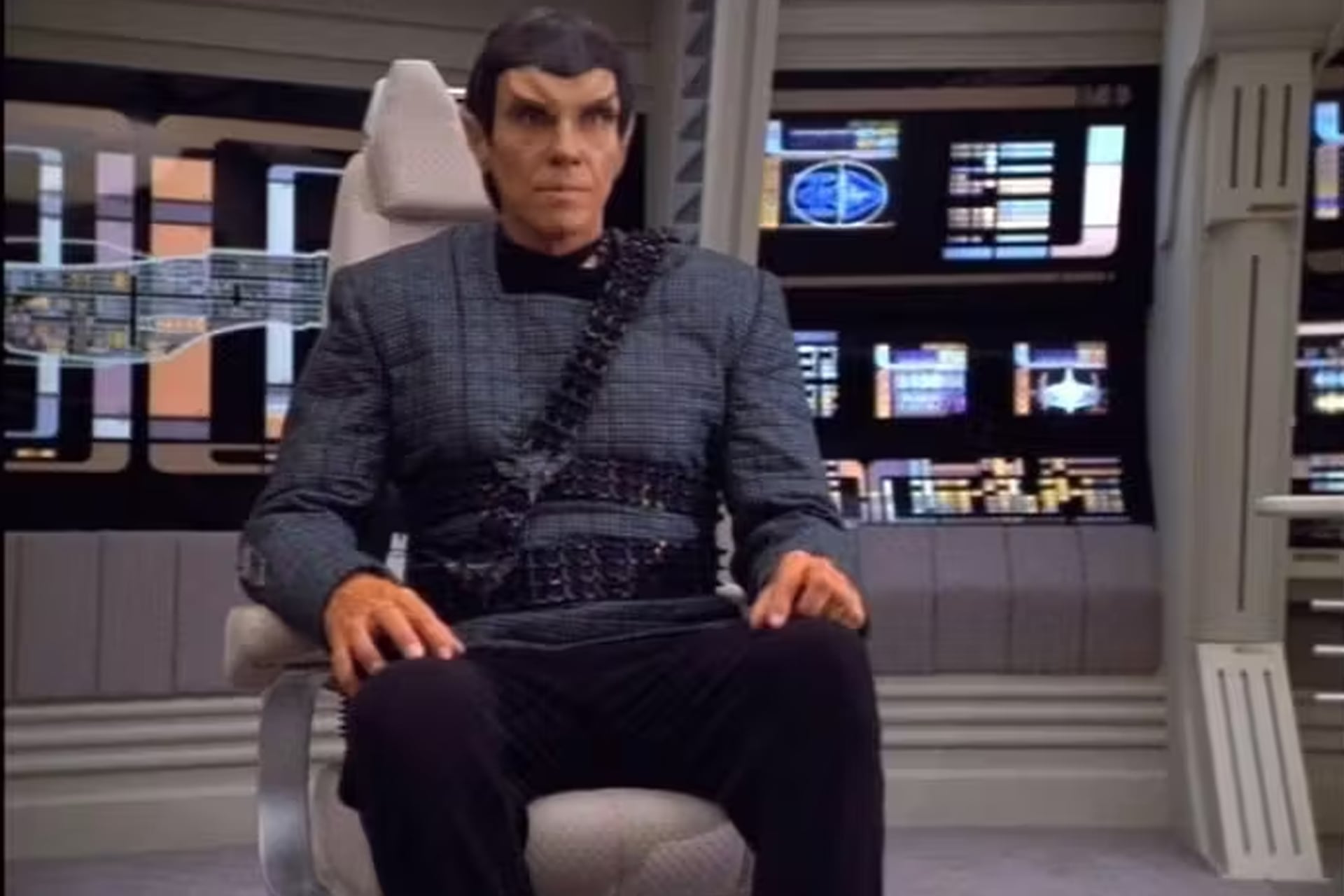
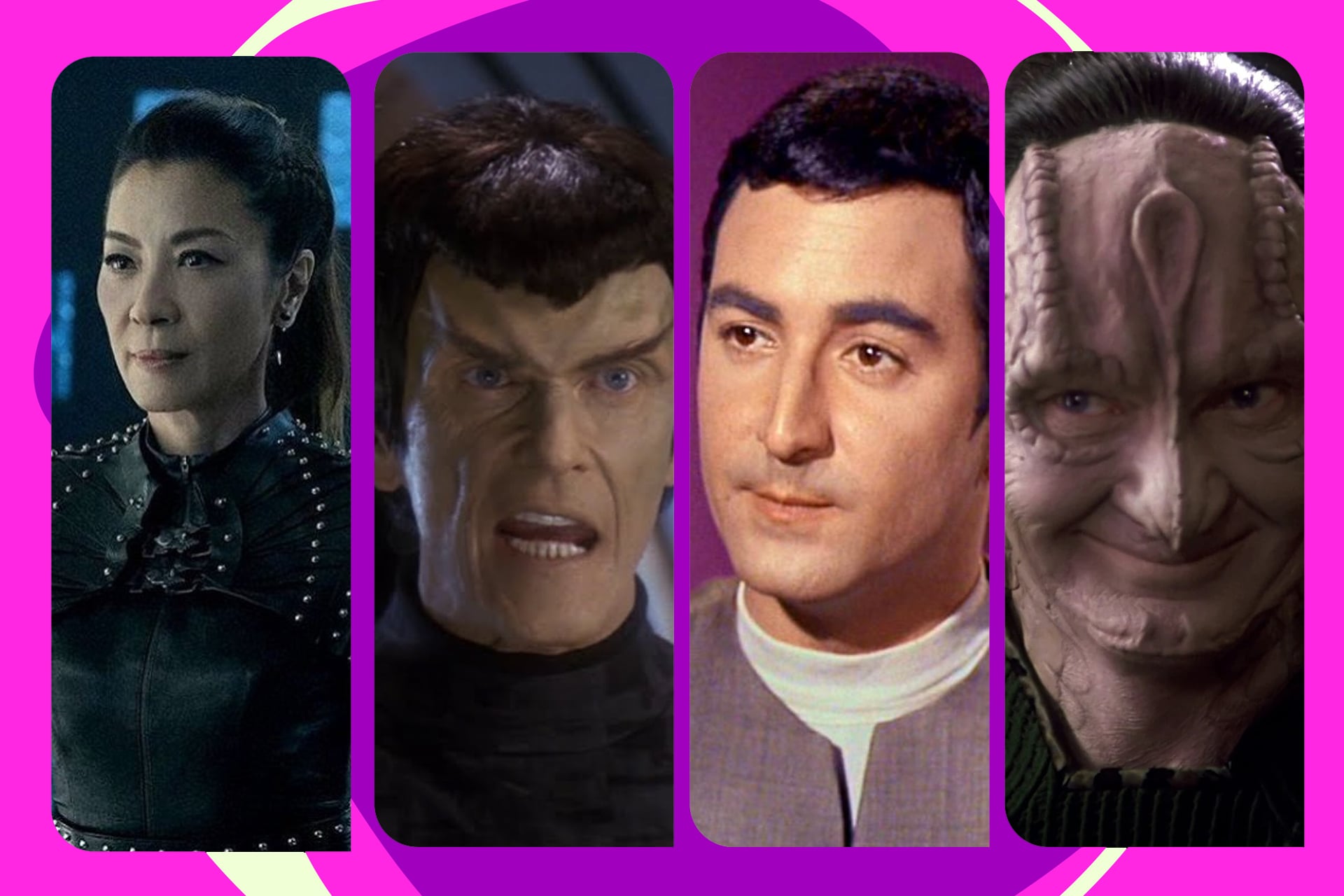
Perhaps the most famous spy group in all of Star Trek is that of the Star Empire: the Tal Shiar. Framed as much as a secret police by outsiders as they are the primary intelligence arm of the Star Empire, the Tal Shiar were just as responsible for rooting out disloyalty within Romulan society as they were for counterintelligence actions against rival galactic powers. Few branches of Romulan society were above the Tal Shiar in terms of power and agency, with the organization even often acting without the authority of the Romulan Senate.
The Tal Shiar suffered a debilitating blow in the early 2370s as part of a combined operation with Cardassian agents—more on that momentarily—in an attempt to carry out a preemptive attack on the Founder homeworld when initial tensions with the Gamma Quadrant power began (and years before the formal outbreak of war with the Alpha Quadrant). However, the agency recovered from the loss of assets in the operation and continued to play a major role in Romulan society.
Picard even revealed that the Tal Shiar survived the destruction of Romulus itself and the splintering of the Empire in 2387, putting its weight behind the Romulan Free State, one of several splinter factions that emerged from the remnants of the Star Empire. The show also added an even more mysterious subsection of the Tal Shiar, a cabal called the Zhat Vash, retroactively established as a secret agency that preceded even the Tal Shiar itself and dedicated to an anti-synthetic agenda. After their exposure as the group behind an attack on the Federation’s Mars shipyards that led to the Federation banning the creation of artificial life, it’s unknown if the Zhat Vash was dissolved or continued to operate in secret.
The Spies of the Cardassian Union
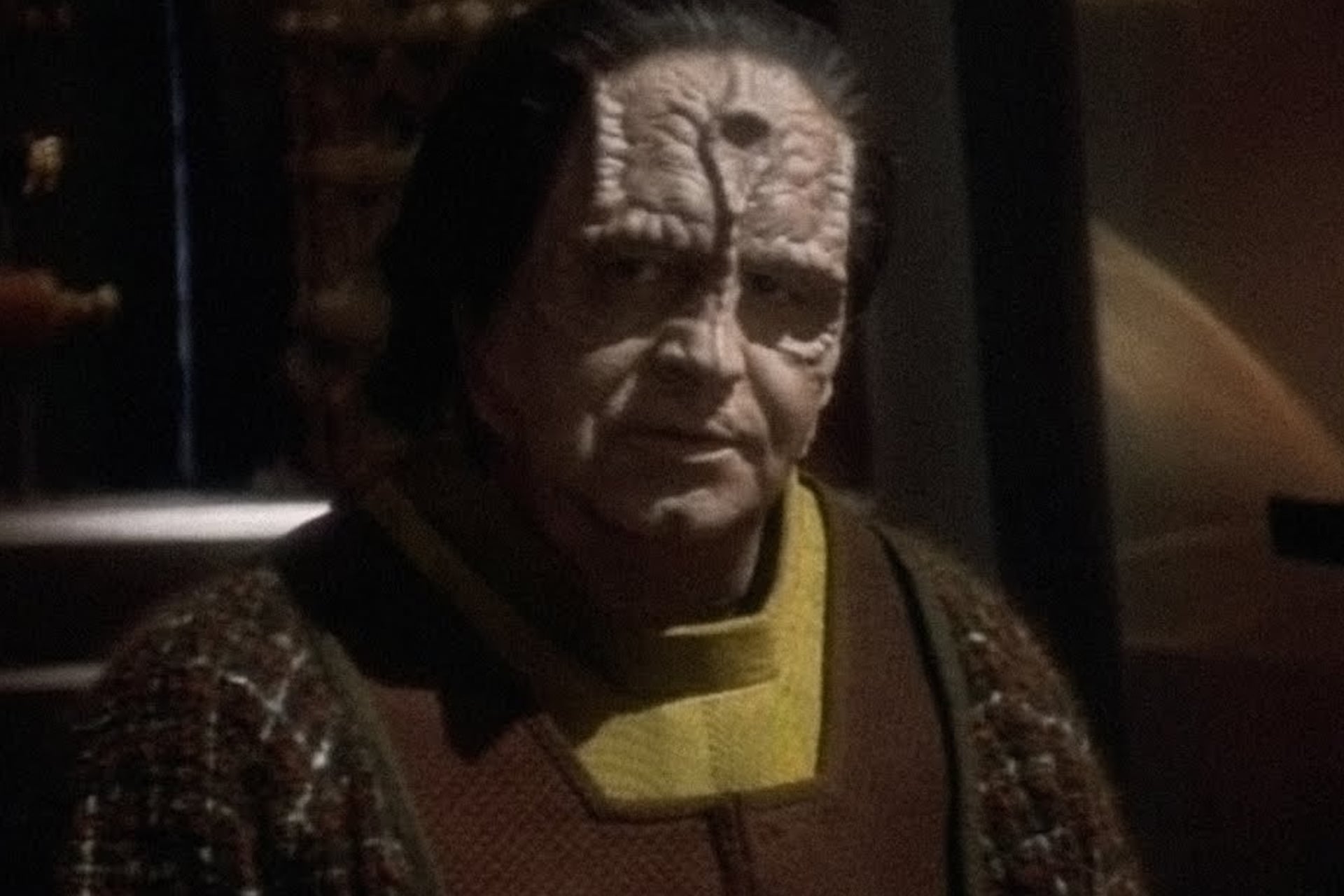
Similar to the Tal Shiar, the secretive Cardassians had their own brutal intelligence force, the Obsidian Order. Completely independent of the militarized branches of Cardassian government, the Obsidian Order prioritized internal affairs and espionage with an incredibly wide remit—unlike the Tal Shiar, which maintained its own fleet as part of operations, the Obsidian Order was explicitly forbidden by Cardassia’s civilian and military agencies from having military assets of its own (not that that particularly stopped them, as we’ll get into).
The Obsidian Order operated through a series of secluded cells, each group autonomous and largely unaware of the existence of other cells in order to avoid compromising the wider Order if they were exposed. As well as engaging in counterintelligence against other galactic powers, the Order heavily monitored Cardassian society for signs of resistance to the military regime, believing it to have been able to implant surveillance technology in every home on Cardassia.
Their similar ruthlessness is what partially inspired the unorthodox alliance between the Obsidian Order and the Tal Shiar to try and cut the head off the threat of the Dominion. However, as previously mentioned, the alliance crumbled at the Battle of the Omarion Nebula, where it was revealed that both the Obsidian Order and the Tal Shiar had been compromised by Dominion infiltrators, drawing the two agencies together so that the Jem’Hadar could strike a decisive blow against them both.
Although the Tal Shiar survived, the Obsidian Order was effectively eliminated at the Omarion Nebula, creating a power vacuum on Cardassia that ultimately led to a popular uprising ousting military control of the Empire in favor of the civilian Detapa Council. By the time Cardassia aligned itself with the Dominion in the early stages of their invasion of the Alpha Quadrant, the Obsidian Order was replaced with the Cardassian Intelligence Bureau—an organization no less cruel or ruthless, dedicated to brutally putting down internal Cardassian dissident groups opposing the Dominion alliance.
The Spies of the Dominion War
The outbreak of the Dominion War led to a much more prominent role for intelligence organizations across Star Trek. Aside from the few mentioned above that played significant roles in storylines across Deep Space Nine, the war also introduced us to, naturally, Dominion Intelligence, which was tasked with both monitoring internal affairs within the Gamma Quadrant and reconnaissance during the war.
Likewise, we also learned a lot more about Bajoran Intelligence during the conflict, given the overall importance of Deep Space Nine to the war effort, but the agency had a long history prior to the outbreak of war, having existed in some form throughout the planet’s occupation by the Cardassians—Bajoran Intelligence seemingly played a significant role in helping the various factions of Bajoran resistance during the occupation, as they were particularly known for their expertise in cracking Cardassian intelligence codes.
Want more io9 news? Check out the best movies and TV shows to stream this month and all the upcoming sci-fi, fantasy, and horror books that should be on your radar.