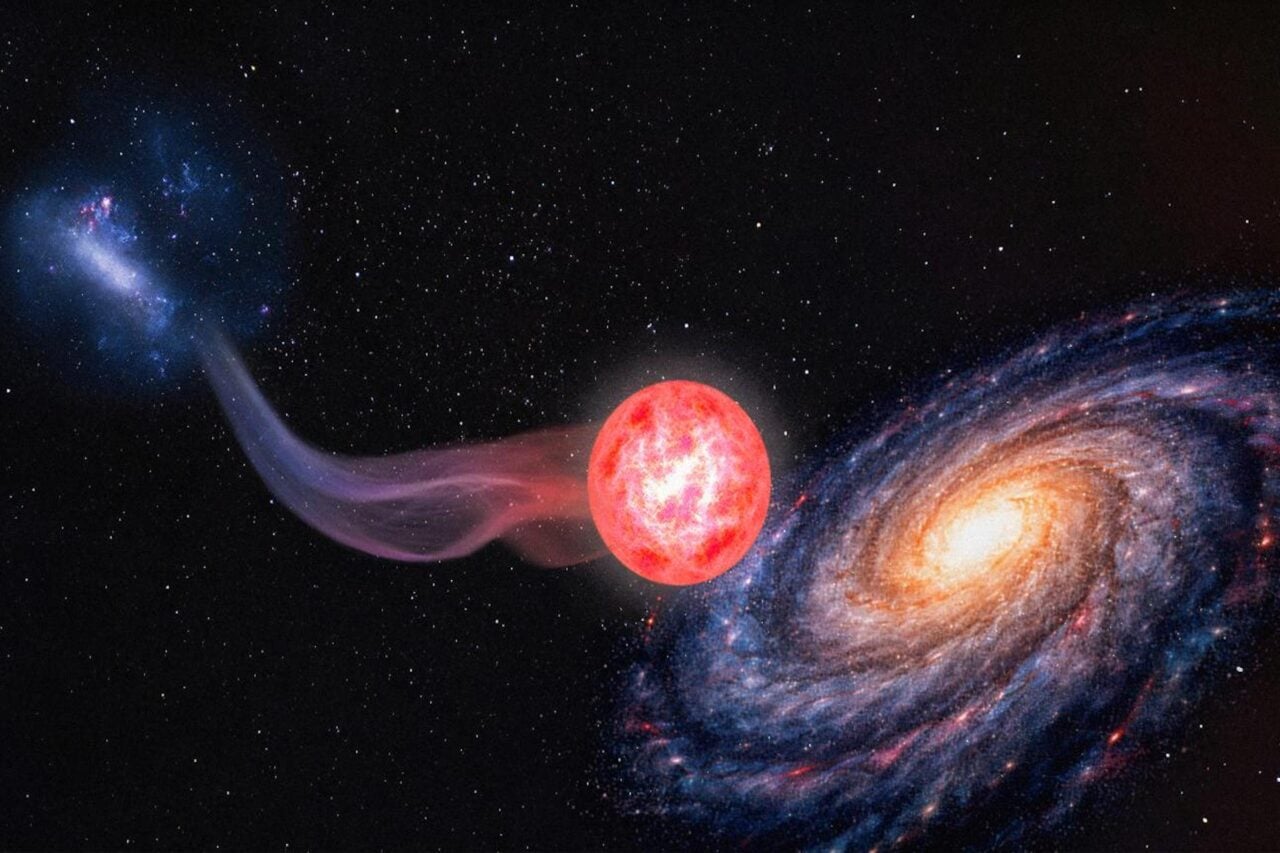
Without the mass stellar migration, life may not have been able to form on Earth.
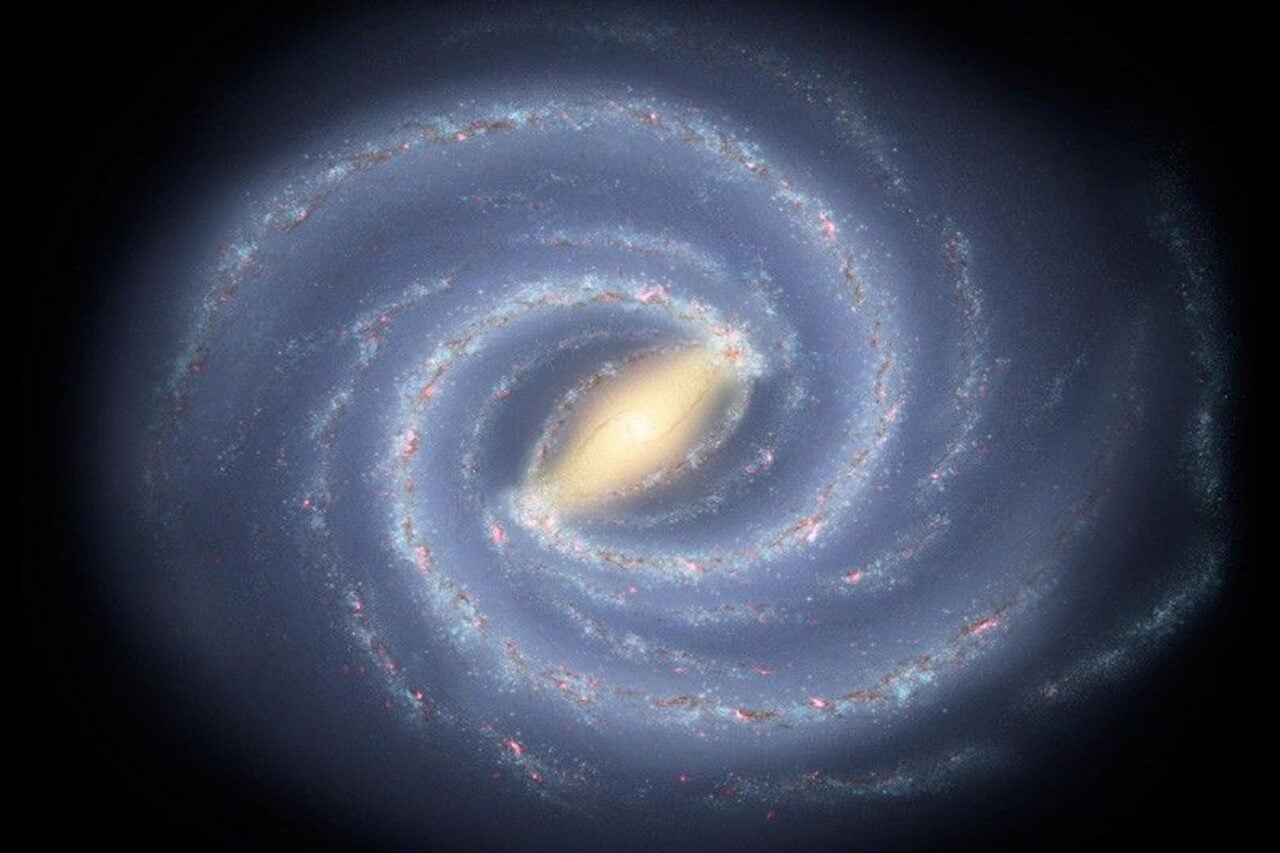
There is a lot we have yet to understand about the center of the Milky Way—could it be due to a mass of invisible dark matter?
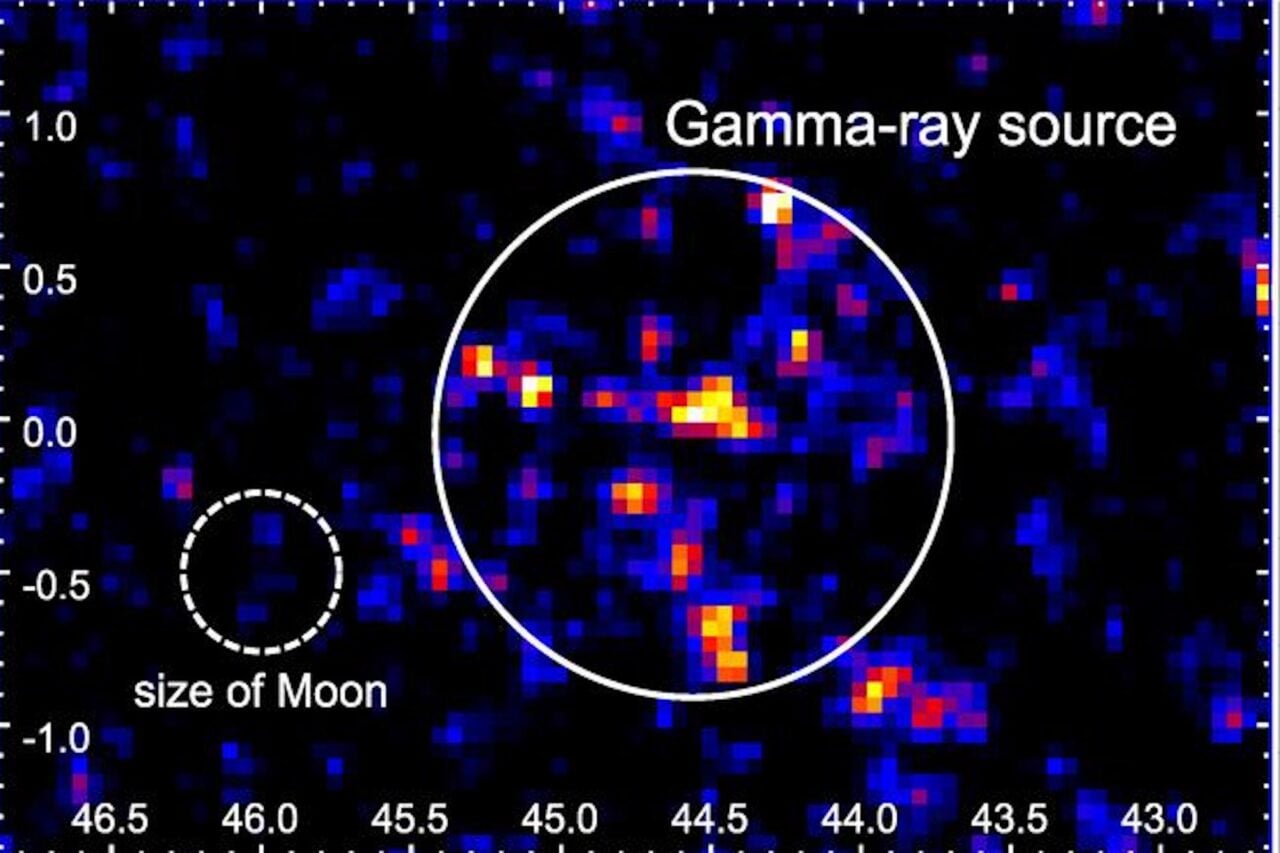
For decades, astronomers have been vying to identify a source for a mysterious gamma-ray excess at the center of the Milky Way. Could dark matter be the answer?
The finding suggests a pair of gigantic Fermi bubbles in our galaxy formed after the dinosaurs.
The closest galactic relative to the Milky Way helped astronomers discover dark matter in the 1960's.
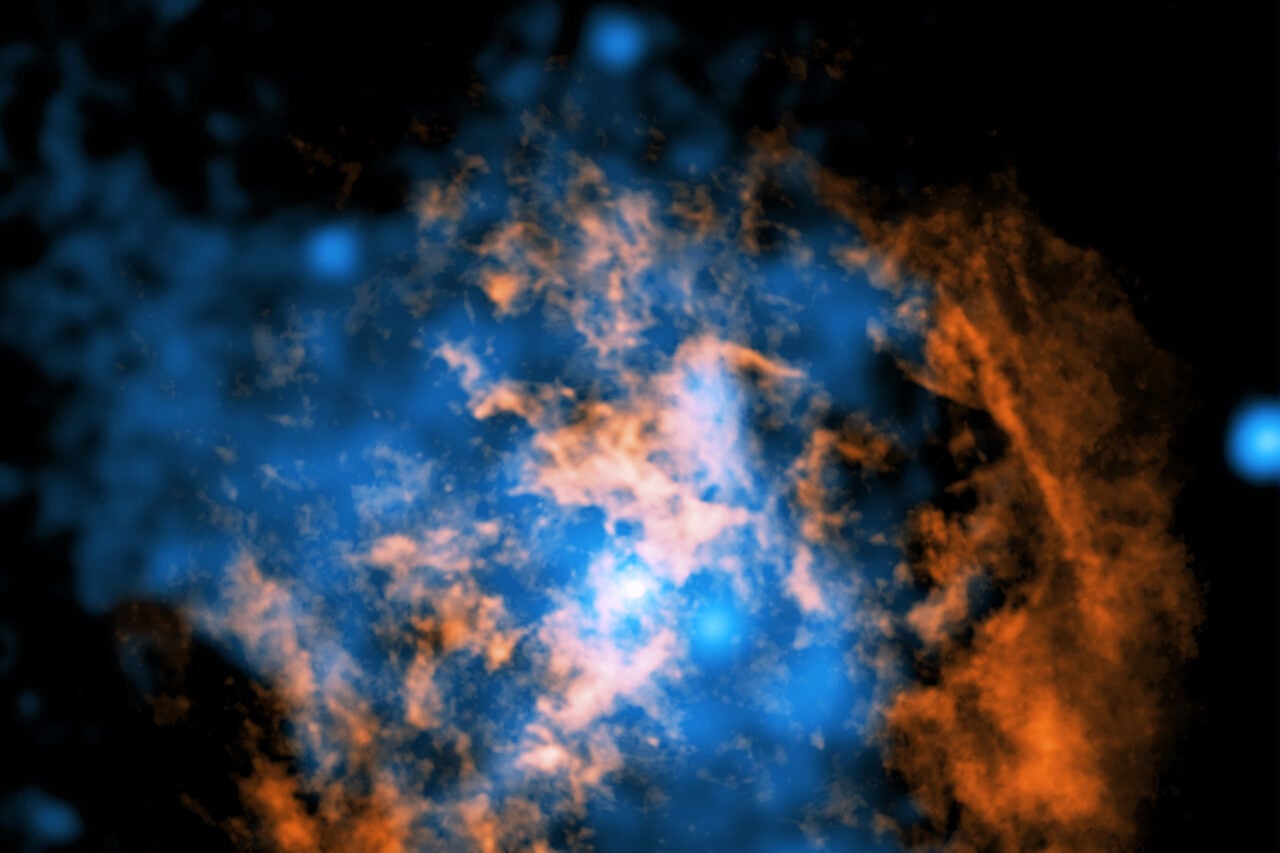
NASA's flagship space telescope captured flares from the disk of superheated material around the black hole, revealing the dynamic—and explosive—physics at our galaxy's core.
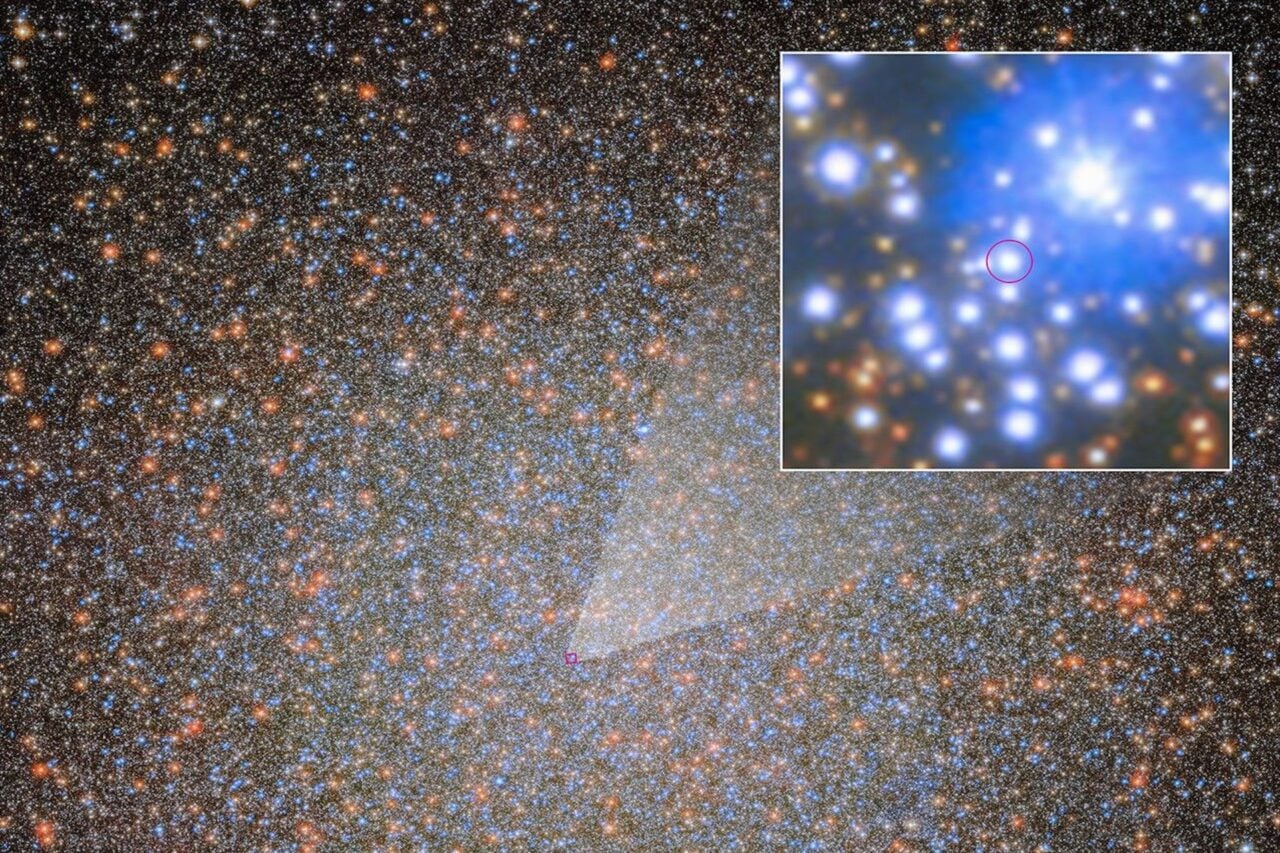
A super-Neptune orbiting a star is zipping through space at 1.2 million miles per hour—or potentially faster.
The intrepid mapping mission has collected more than three trillion observations that'll change the way we see our neck of the cosmic woods.
The discovery potentially sheds light on the origin of bubbles of hot gas found below the galactic plane.
Object CWISE J1249 is a bit of a mystery; all we know is that it has some unique properties and it's moving really fast. Like, really fast.
There's a 50% chance that the predicted head-on collision will end in a galactic merger, according to a new study.
We take it for granted that all stars eventually die, but a quirk involving dark matter suggests those near the galactic core may last forever.
The last galactic fling was billions of years later than previously thought, indicating our galaxy may have more surprises in store.
Plus: Marines test Mycenean armor, an explosive SpaceX engine test, the link between stomach paralysis and Ozempic, and more.
The nascent space telescope has collected plenty of data since it launched, and now has produced the largest images of space taken from space.
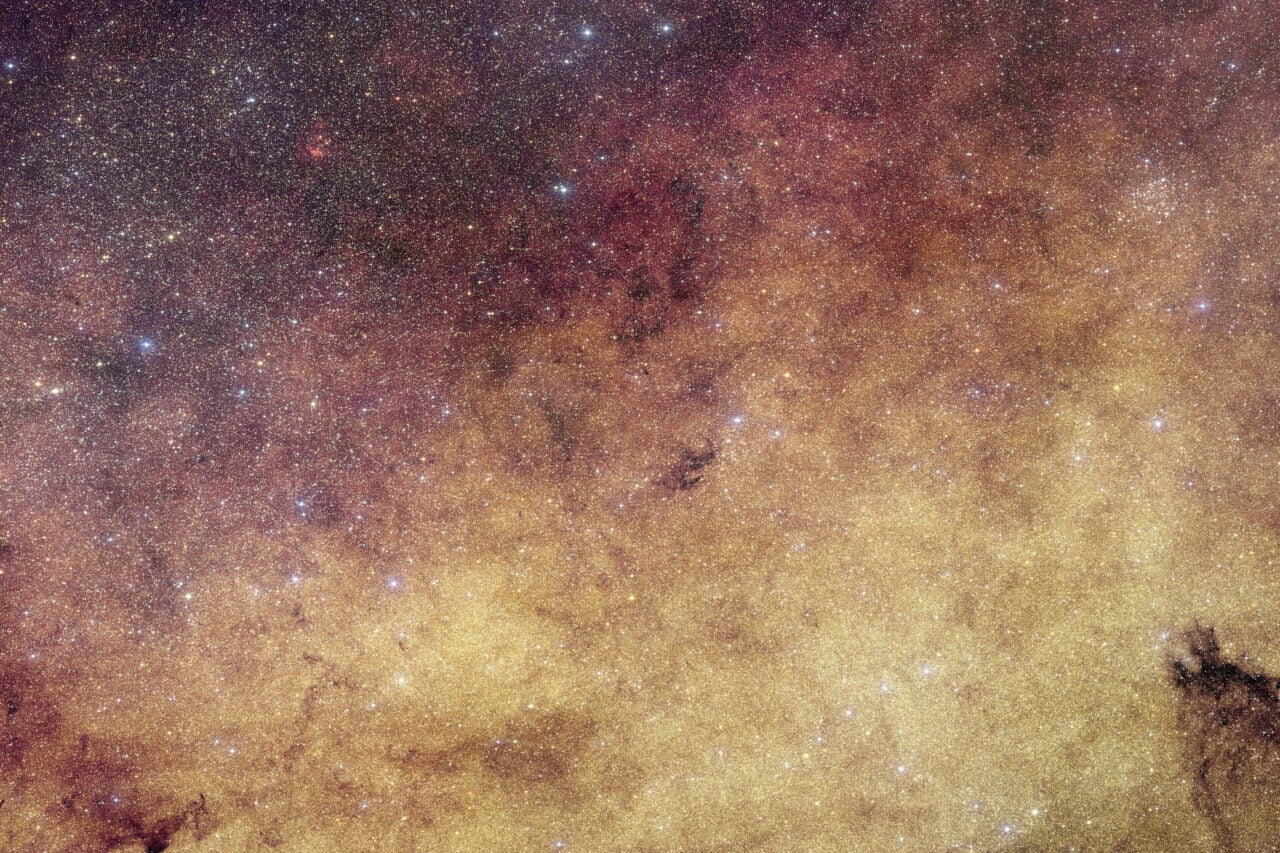
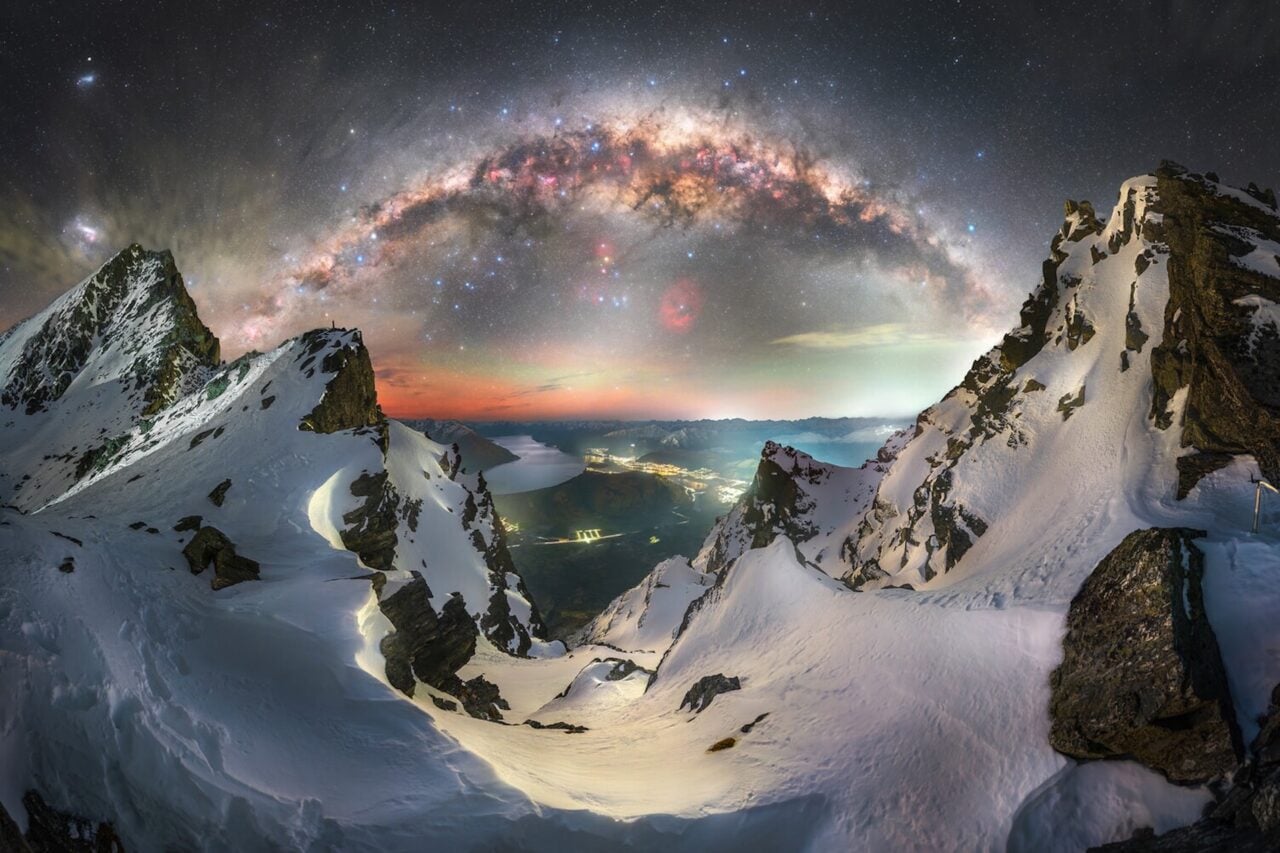
Travel photography blog Capture the Atlas has released its annual collection featuring stunning snapshots of our galaxy.
Several stars that appeared to have formed 12 to 13 billion years ago were spotted in the Milky Way halo—basically, our galaxy's suburbs.
An astrophysicist has simulated the appearance of our galaxy as it would have been seen from Egypt 4,000 years ago.
The weird, faint star system—the tiniest Milky Way satellite ever found—could be under the influence of dark matter.
Forget magnetic north; now you can stay oriented on a galactic scale.