
A new study sheds light on how stem cells in hair follicles react to stress, with very different outcomes.
These all-natural traps appear to run on calcium.
Adding tiny, complex nanoparticles to common vinegar significantly boosted its ability to destroy harmful bacteria, according to a new study.
At an international conference this week, experts will work to chart a path forward as they tackle the promise and perils of mirror-image cells.
A dreaded fungus known to inhabit tombs has been reconstituted as a treatment for leukemia and is performing as effectively as some FDA-approved drugs.
New research reveals that most people undergo two significant biological changes in their bodies during their lifetime, typically in their mid 40s and early 60s.
The founding father's grandnephews were identified from fragmentary bones in a rural family cemetery.
Humanized pig organs and mood-boosting brain implants are some of the most futuristic medical innovations in recent years.
The research is the latest to suggest that genetically engineered pigs can someday be used to save people in need of organ transplants.
Cats, bats, wombats, and polar bears are among the latest mammals to reveal an ability to fluoresce.
Tests suggest the fermented drink can survive the harsh conditions of space, with the bacteria able to repair itself from damage caused by cosmic radiation.
A Scottish woman in her 70s has lived a life without pain and fear. New research pinpoints unique mutations in her DNA.
20 years after the Human Genome Project, Richard Gibbs shares his thoughts on Gattaca , tech breakthroughs, and more.
"It simply changed the way that people thought that biology could be done."
The genetic material is a million years older than the previous record-holder.
A social platform that saw intense growth in a short period of time has now been forced to pull its servers offline due to a huge security bungle.
You'll never guess who's been cloned. Never. Maybe.
“Come back to me,” says the old cotton swab test sitting lonely on the shelf. “Remember all the good times we had?”
It's a tenth of the price of your average PCR test—and possibly just as accurate.
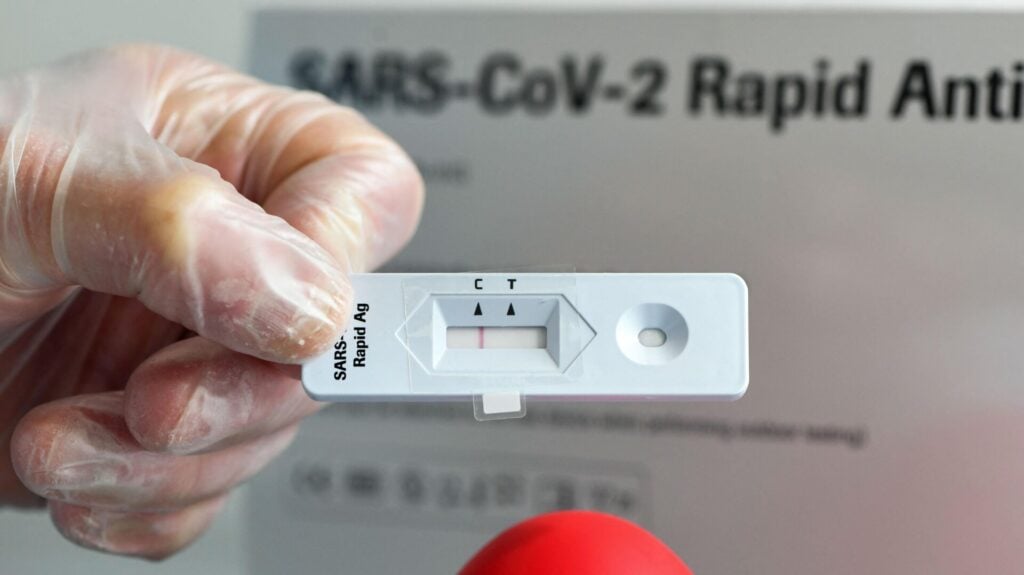
These tests may provide more false negatives than before, according to a recent analysis by the FDA, but people should still use them as instructed.