This year's winners offer behind-the-scenes access to the frontiers of particle physics research.
Using a combination of physics and machine learning, the researchers predicted how the plasma inside a tokamak reactor would behave given a set of initial conditions.
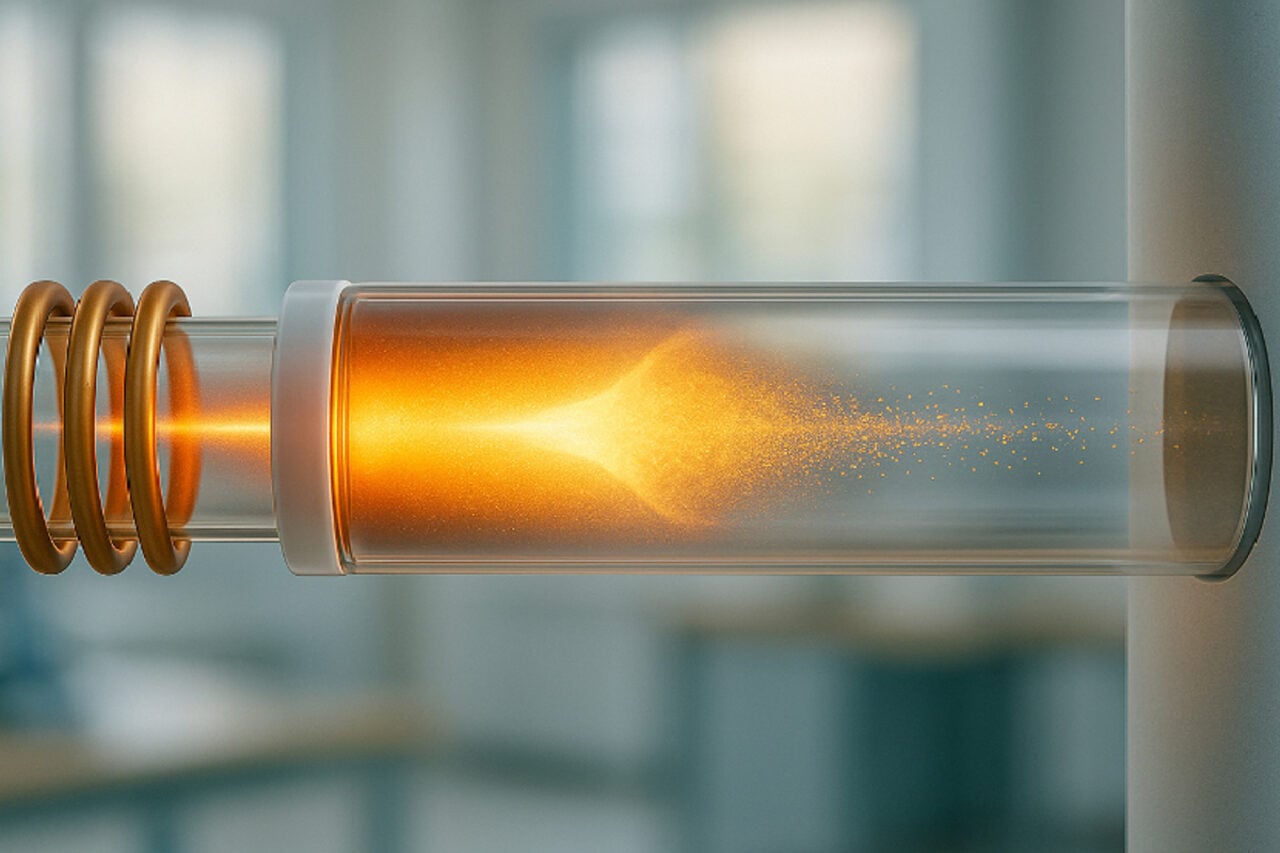
An innovative method for trapping lithium ions has led to a promising technology for extracting precious lithium isotopes—a crucial ingredient for fueling nuclear fusion experiments.
Called Thunderbird, the pint-sized nuclear reactor is supported by relatively simple electrochemical concepts.
Tapping into discarded nuclear waste could help generate a self-sufficient source of a key ingredient for nuclear fusion, a new plan proposes.
Researchers at the National Ignition Facility achieved nuclear fusion ignition with the help of an AI program that essentially told them they were on the right track.
TAE Technologies claims its setup produces 100 times the power of other designs at half the cost, but the road to commercial fusion is littered with hype.
Brookhaven National Laboratory's Relativistic Heavy Ion Collider kicked off its final year of operations this week, marking a quarter century of discoveries in particle physics.
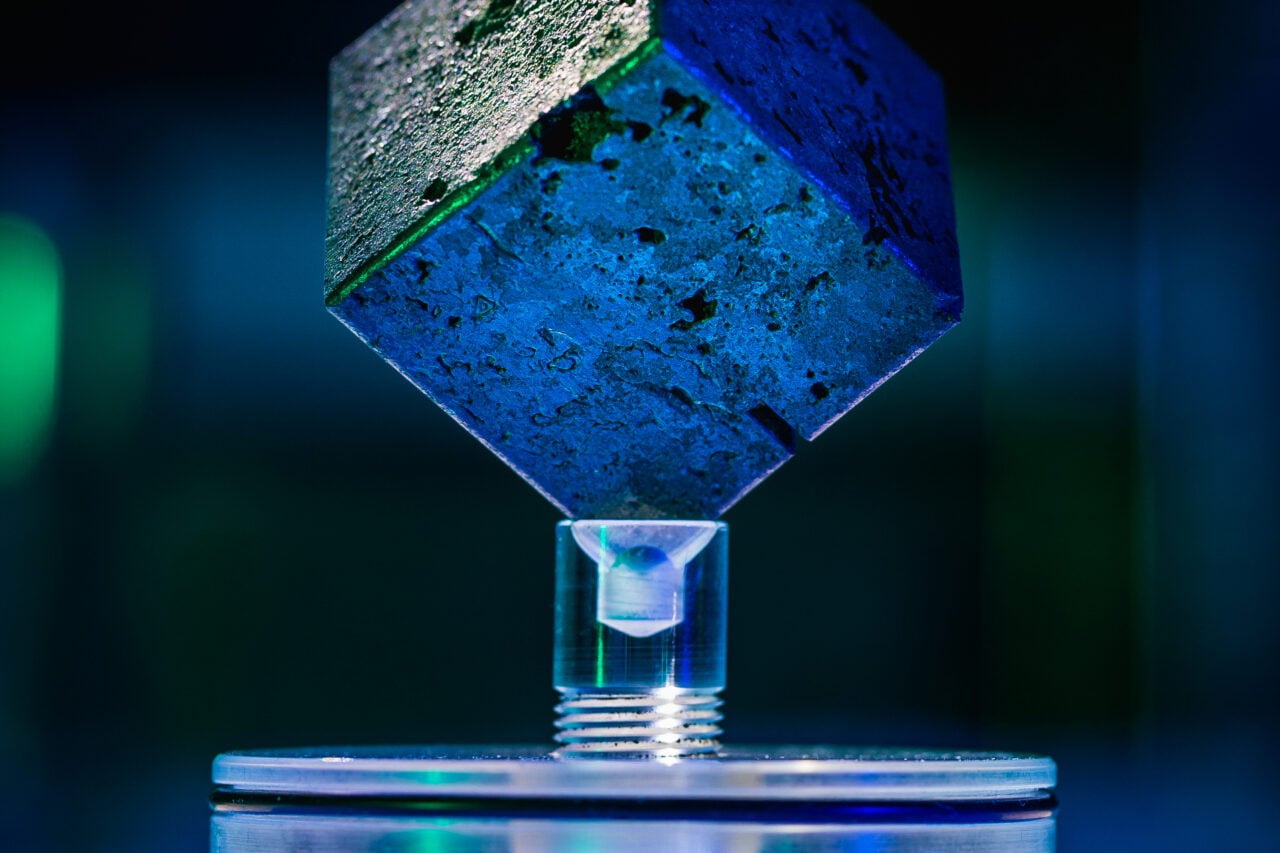
The timekeeping device is made with atomic nuclei of thorium, although it is not yet more precise than standard atomic clocks.
The research has "changed the way we think about the structure of the proton," one scientist said.
Scientists have pinned down the energy produced by an unusually bright gamma-ray burst detected in 2022, and wow is it a whopper.
Helion has said for years that it's on the brink of a fusion breakthrough. This time, Microsoft is backing up those claims.
The world is full of survivors, like these species known for their radioresistance.
The company's prototype is a smaller version of the nuclear reactor it's hoping to send to the Moon by 2029.
Search crews have located a small radioactive capsule that was reported missing on January 25.
Physicists and Department of Energy officials revealed a breakthrough that could one day lead to zero-carbon energy.
A pentaquark and two tetraquarks are the latest subatomic particles observed by the LHCb Collaboration.
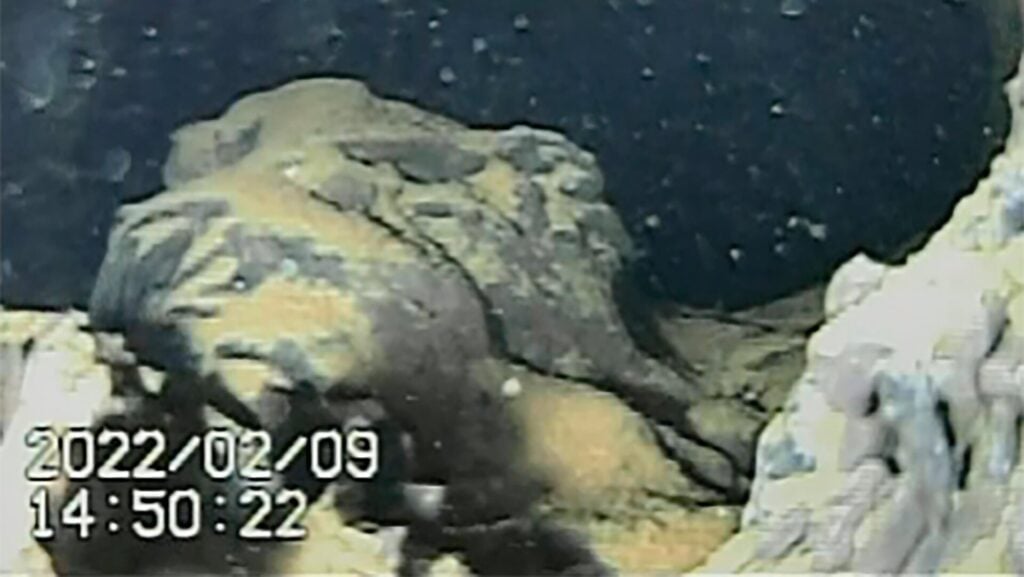
A robotic probe entered highly radioactive water to capture images of the destroyed nuclear reactor in Japan.
While the levels of radiation detected are low, they could potentially pose health dangers if worn continuously.
The Energy Department is looking for towns, states, and tribes to step up to the plate and stash nuclear waste for just a bit.