

Are digital addictions really comparable to substance use disorders? Here's what the latest neuroscience suggests.
Atogepant, recently approved by the FDA, prevented migraines in people who hadn't responded to other medications, according to new data.
A new study found that people genetically predisposed to high blood caffeine levels were less likely to develop diabetes and other risk factors.
Over 12 years, researchers mapped all of a larval fruit fly's brain, charting 3,016 neurons and 548,000 connections. It's big news for neuroscience.
A gel applied to the shoulders appears safe and highly effective in clinical trials.
This may be the first reported case of foreign accent syndrome caused by this particular form of cancer, the man's doctors say.
A Colombian judge reportedly used the AI tool to determine if a boy diagnosed with Autism was exempt from paying medical costs.
Prairie voles without oxytocin receptors still formed lifelong bonds and had kids, a new study finds, suggesting its effect on social behaviors isn't so clear.
Cancer-fighting viruses, gene therapies, and a new class of hair loss drugs are some of the year's most exciting medical advances.
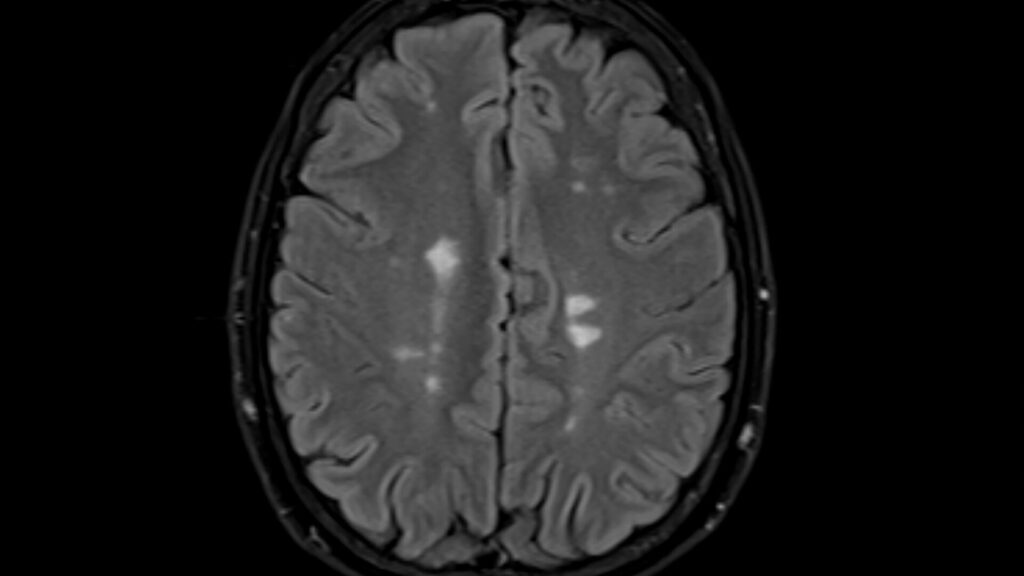
New research appears to be the first to study the brains of migraine sufferers using ultra-high-resolution MRI, which could provide clues about why they happen.
In trials, Tzield delayed the onset of stage 3 type 1 diabetes by more than two years on average.
Up to 17 months later, five lupus patients have remained free of damaging autoantibodies after receiving CAR T cell therapy.
Experimental therapies are coming down the pipeline, while existing and recently approved drugs are providing people with more options for keeping their hair.
Researchers say their oral dissolvable tablet can deliver insulin intact to the liver, at least in studies with rats.
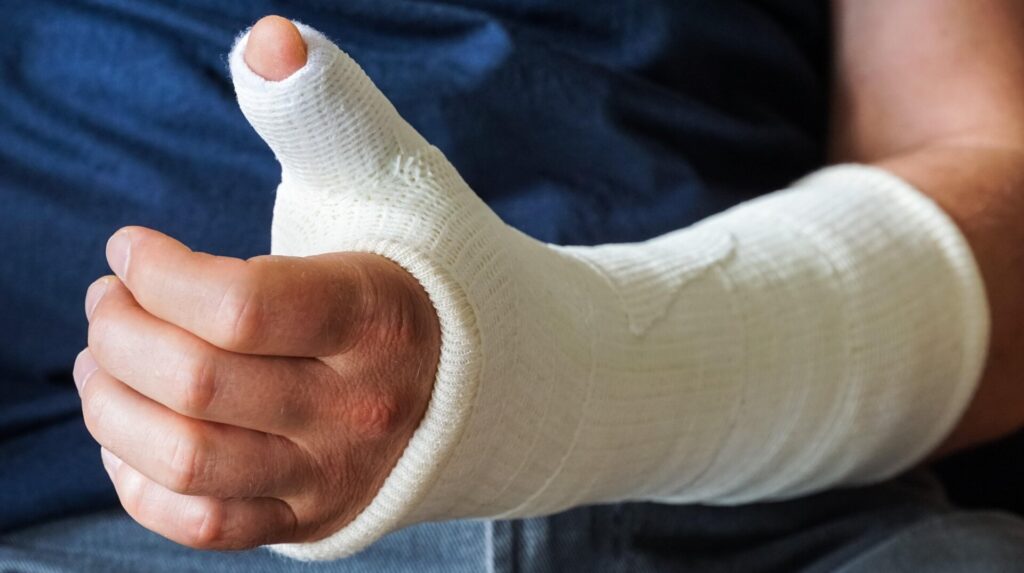
Healthy older adults taking vitamin D weren't any less likely to develop broken bones, a five-year, randomized trial found.
"Nothing, nothing epitomizes market failures more than the cost of insulin," the state's governor said.
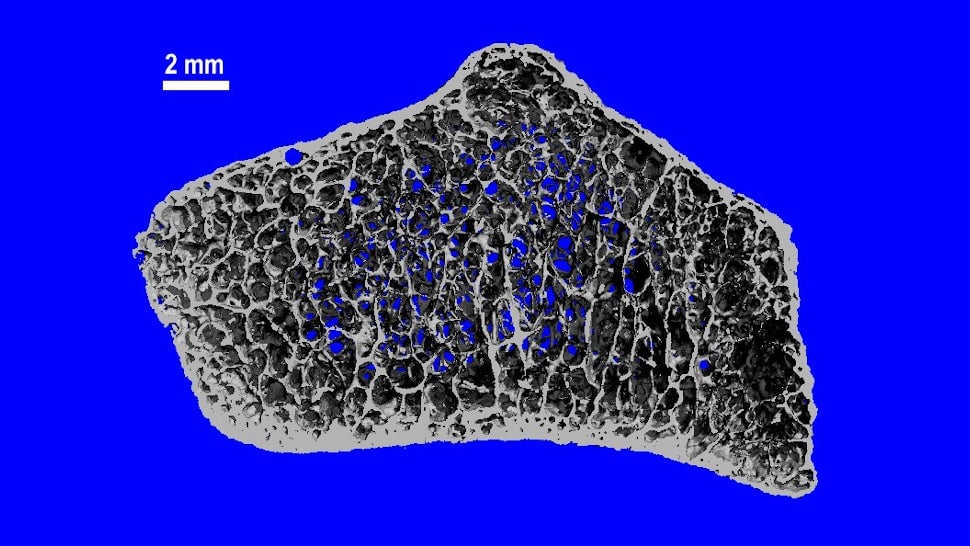
It’s a discouraging result, but resistance exercises could help.
We suddenly know a whole lot more about Demodex skin mites, thanks to a newly sequenced genome.
In large clinical trials, baricitinib proved better than placebo at reversing serious hair loss.
Atara Biotherapeutics's experimental treatment might be able to tackle MS by targeting a common viral infection linked to worsening symptoms.