The tiny robot, named SORA-Q, looks like a functional mashup of popular toys and movie droids.
With the Space Launch System rollout complete, NASA will begin preparations for a critical rehearsal.
Live coverage of the historic rollout begins at 5:00 p.m. EDT (2:00 p.m. PDT).
The 322-foot-tall rocket will begin its 4-mile journey to the launch pad on Thursday, March 17.
Like William Shatner before him, Davidson won’t have to pay for his seat to the edge of space.
A full-scale, fully functional lunar rover prototype recently drove near Death Valley.
Dmitry Rogozin said those who create sanctions should be checked for Alzheimer’s.
In the next month, the Orion spacecraft will be rolled out to its launchpad at Cape Canaveral, NASA said Thursday.
The missions, collectively known as the Polaris Program, will attempt the highest Earth orbit ever flown and the first fully commercial spacewalk.
It's a cosmic case of mistaken identity, and we can thank a NASA scientist for noticing that the Moon-bound booster wasn't from a SpaceX Falcon 9 rocket.
SpaceX lost 40 satellites after a geomagnetic storm prevented them from rising to their operational orbits.
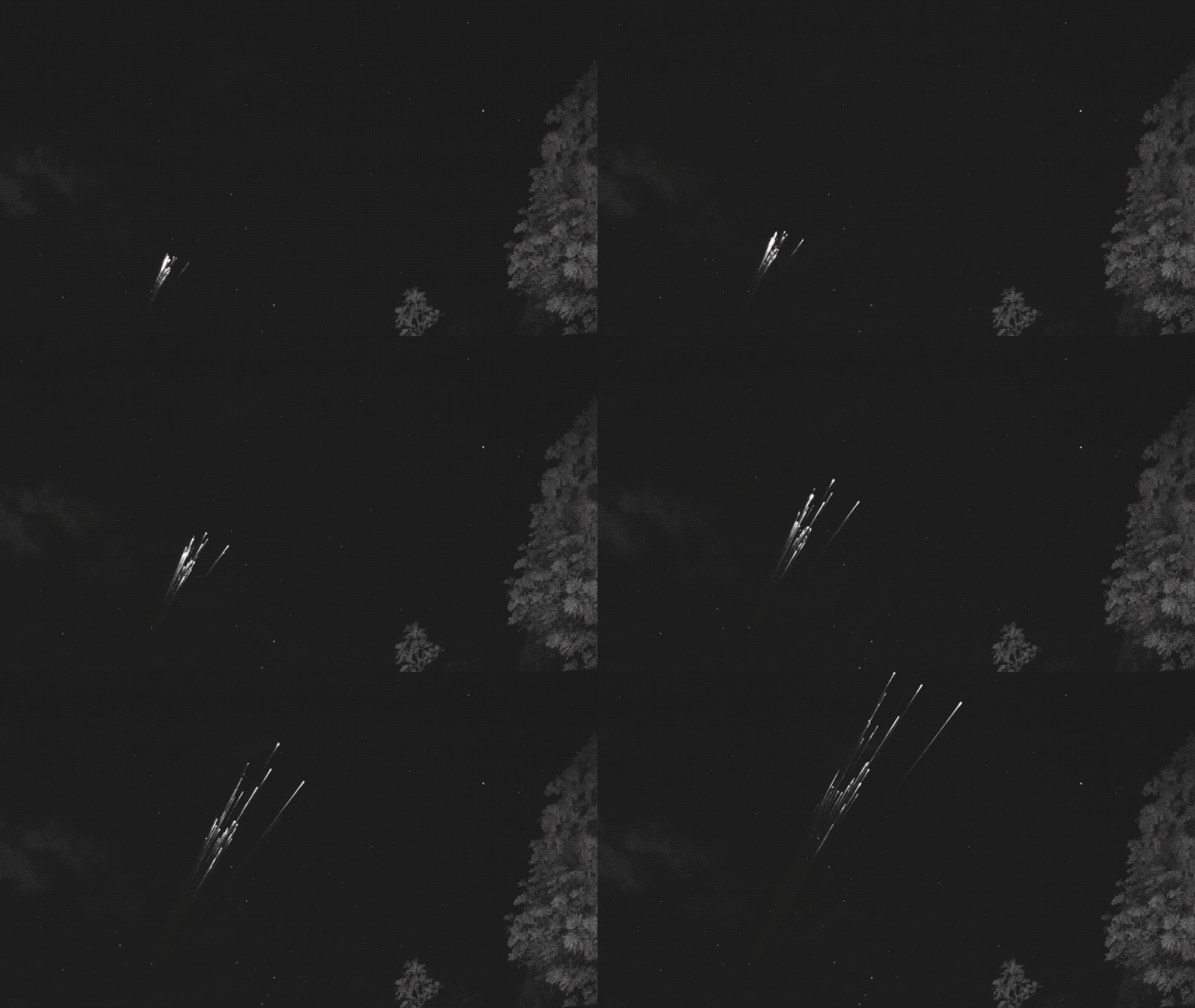
SpaceX says its satellites will disintegrate upon atmospheric reentry and won't pose a risk to other space-based equipment.
Our final view of the doomed booster will be made available tomorrow during a live webcast.
Satellites are increasingly interfering with optical and radio astronomy, prompting the coordinated response.
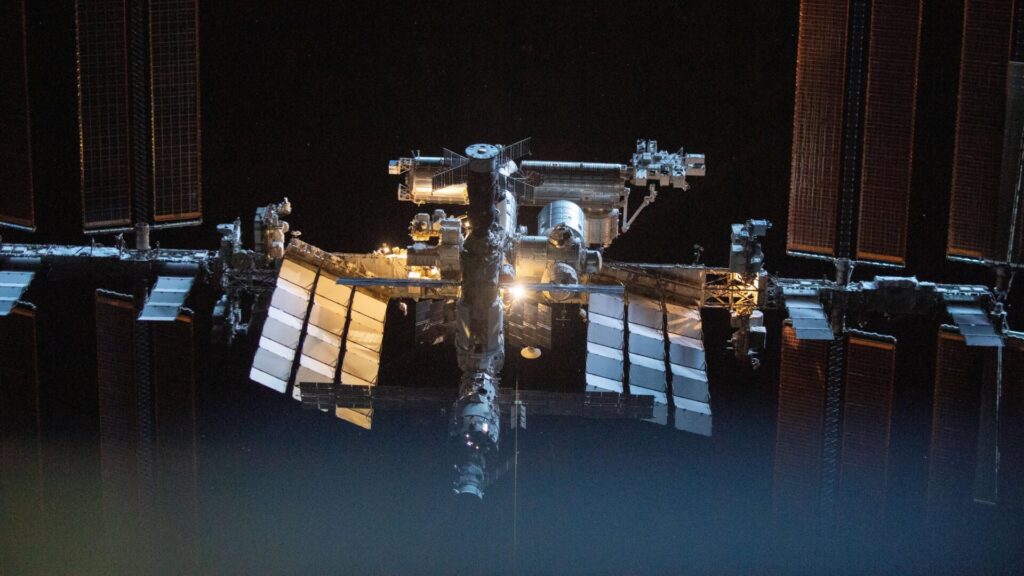
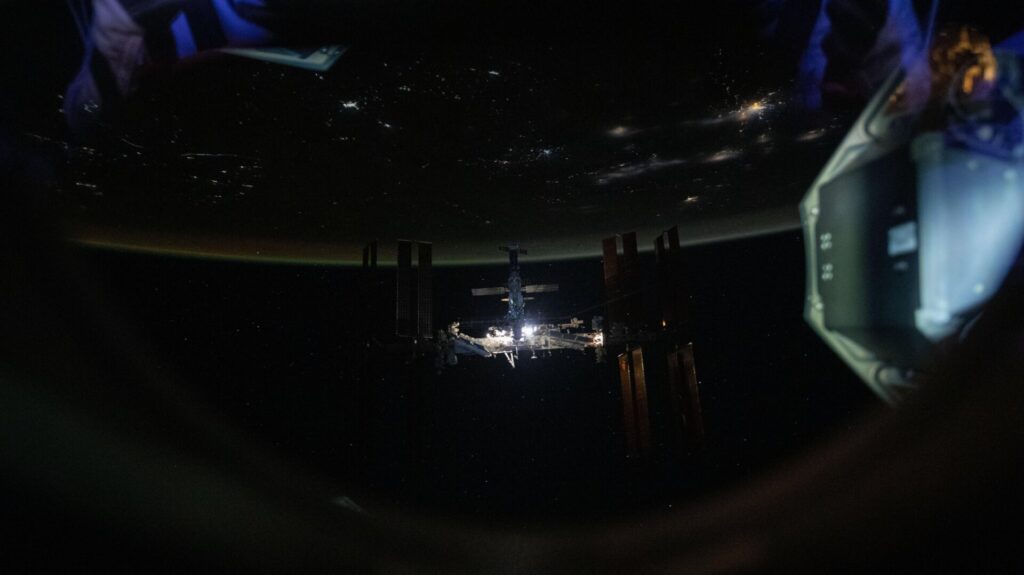
The ISS will plunge into a remote part of the Pacific Ocean known as the “spacecraft cemetery.”
Officials say nothing’s wrong with the rocket, it’s just the sheer volume of testing that’s the problem.
The collision will mark the first time that our space stuff has unintentionally reached the lunar surface.
China claims the debris came to within 48 feet of its satellite, but the true distance may be impossible to know.
The Space Force mission seeks to deliver a pair of surveillance satellites to geosynchronous Earth orbit.
Photo-bombing Starlink satellites are increasingly complicating ground-based observations, especially those made during twilight.