A room-temperature superconductor would revolutionize electricity, but this week's big announcement has been met with some skepticism.
Scientists found a natural enzyme that can produce electricity from hydrogen in the atmosphere.
A new material that more efficiently filters CO2 from the air could help improve the fledgling technology.
The finding suggests Earth’s water predates the solar system.
The IBEX spacecraft, in space since 2008, stopped responding to commands last month, requiring the reset.
Two scientists think a double-Big-Bang scenario could explain dark matter and why we haven’t been able to detect it.
Scientists say they've finally solved a longstanding mystery as to why solar probes unexpectedly degrade over short periods of time.
A massive new oilfield could be greenlit by the Biden administration as early as this week.
The bioplastic is more durable than paper straws—but bioplastics aren't necessarily the way to combat our waste problem.
Utilities knew about the dangers of indoor air pollution in 1972 and downplayed them, a DeSmog investigation found.
The proposed the Greenlink West transmission line in Nevada would run through a site filled with mammoth and saber-tooth cat fossils.
Owners of the Thacker Pass project broke ground on Wednesday, despite a two-year battle over the site.
A total of 10 people went to a hospital in Jacksonville, Florida, as if folks needed a reminder why live lithium batteries are a bad idea going up on a plane.
Tiny fleets of robots could map unexplored Martian lava tubes by periodically dropping breadcrumb-like sensors onto cave floors, researchers say.
An experimental UV filter protected mice from sunburns better than existing products, while also being non-toxic to coral.
A team from Purdue University is using nanotechnology to create paints that reflect 98% of sunlight.
The precious data from the cutting-edge space telescope is only digestible thanks to the creative work of the image processing team.
New observations have expanded the largest 2D map of the sky.
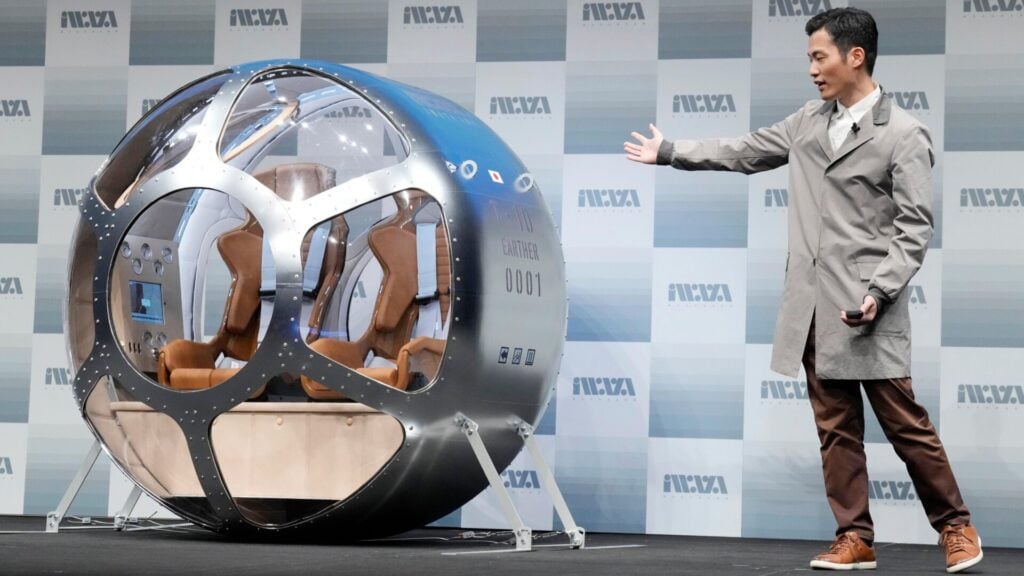
A Japanese startup is trying to make space more accessible but its design for a stratospheric balloon flight looks more like an amusement park ride.
ABL's January rocket crash spilled 5,200 gallons of fuel onto Kodiak Island, in an accident that's fostering concern among some Alaska locals.