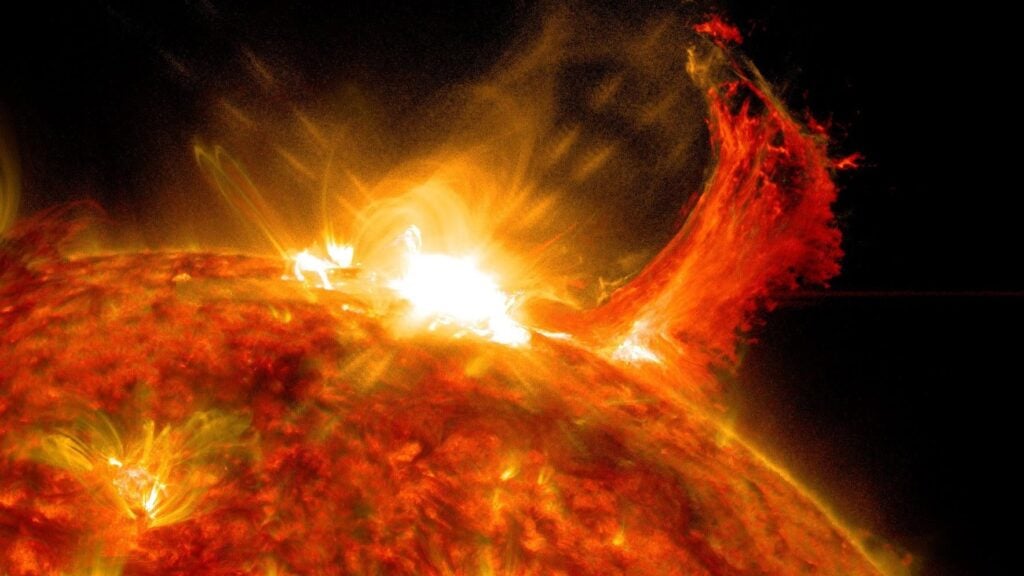
“Our understanding of instabilities—when they grow, how they grow—is important to making fusion work.”
For plasma in fusion reactors, turbulence might be more than a pesky thing to control, a new study suggests.
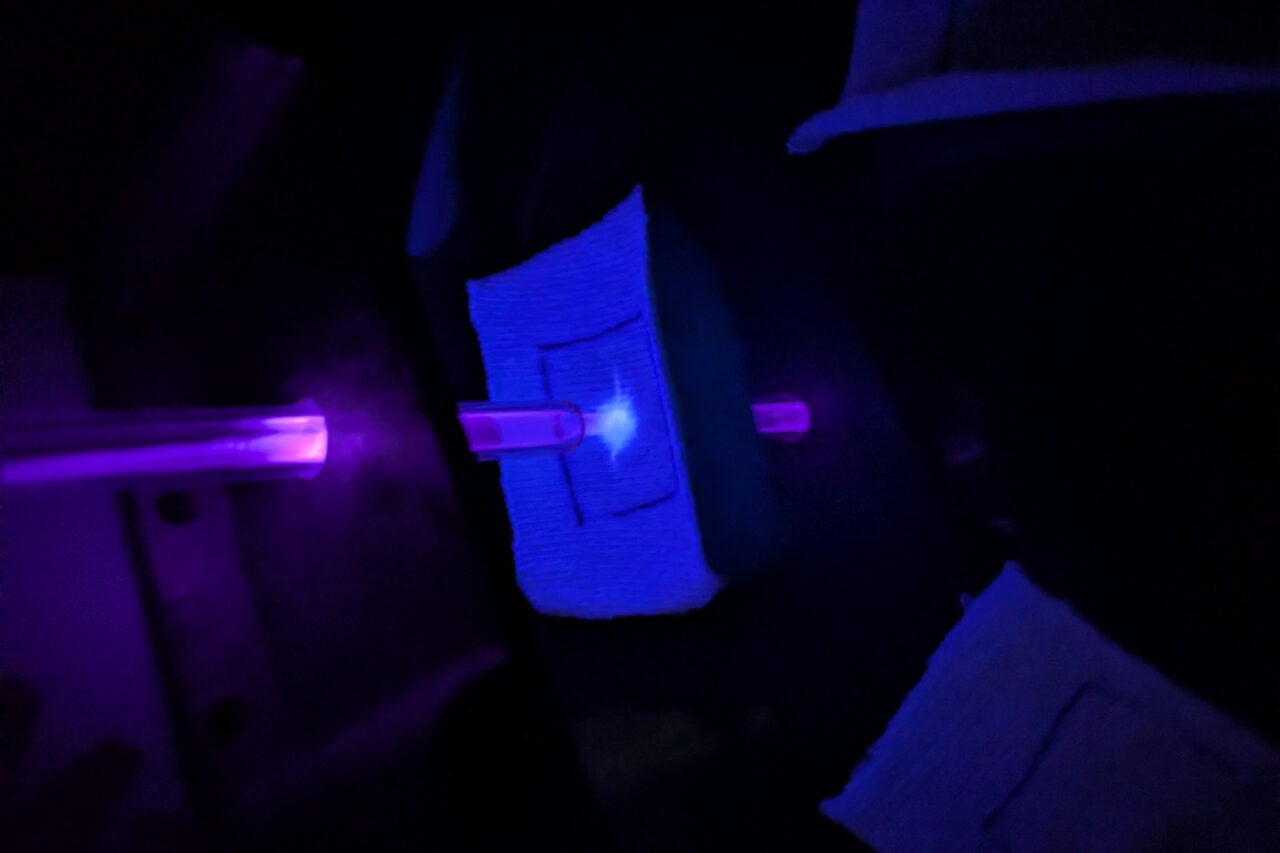
The footage offers an unprecedentedly colorful look at the extreme physics at play—revealing valuable information for researchers studying fusion.
Using a combination of physics and machine learning, the researchers predicted how the plasma inside a tokamak reactor would behave given a set of initial conditions.
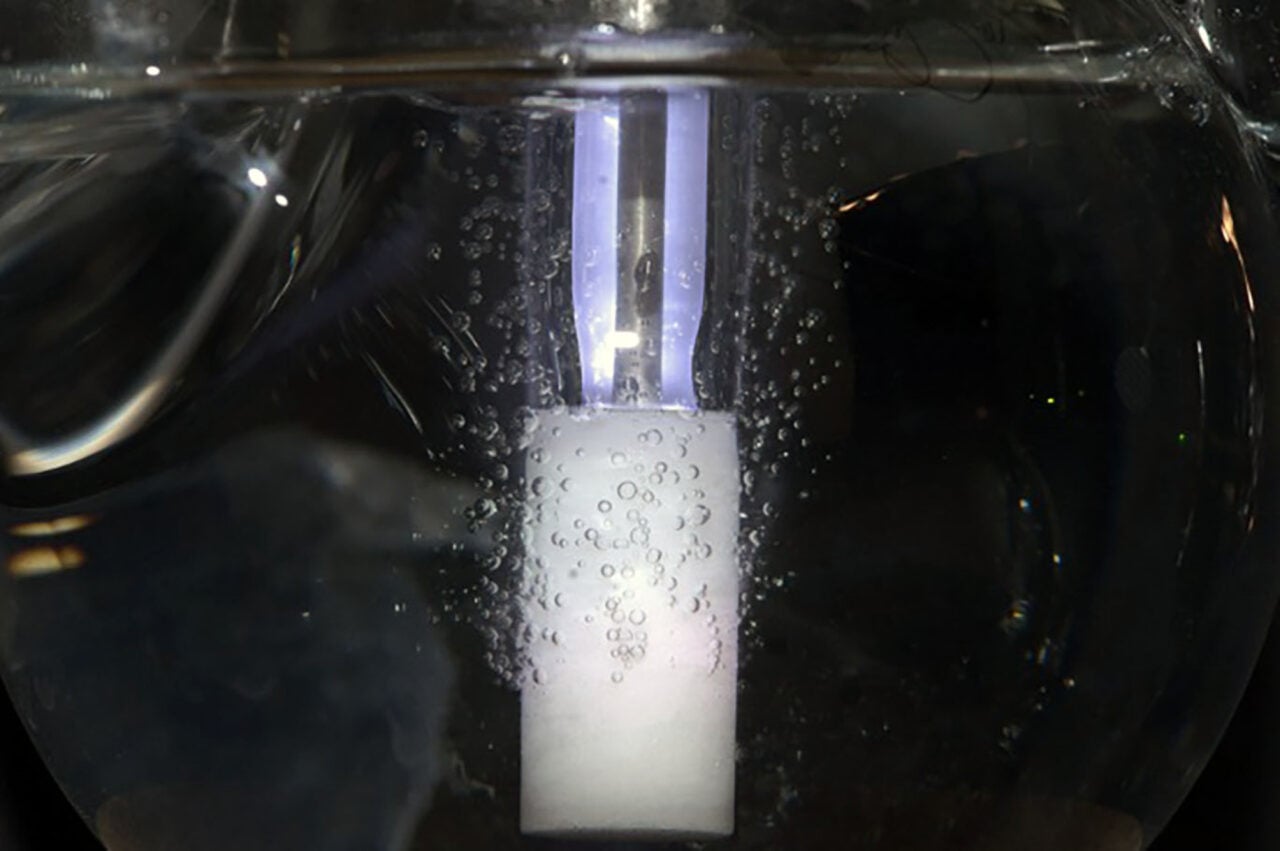
Using the quirky physics of plasma, this torch instantly converts mixed plastic waste into chemical compounds that can be recycled for other projects.
Called Thunderbird, the pint-sized nuclear reactor is supported by relatively simple electrochemical concepts.
The small spacecraft stared straight at the source of solar wind, likely uncovering the process that drives the violent bursts of plasma.
A bright flash seen over the capital city of Ukraine was mistakenly attributed to the satellite's reentry, with NASA denying any connection.
The Sun-observing RHESSI satellite ended its 16-year-mission in 2018 and has been spinning around Earth ever since.
Scientists say they've finally solved a longstanding mystery as to why solar probes unexpectedly degrade over short periods of time.
Check out some award-winning imagery of our planet's most otherworldly display.
These are the IXPE mission’s first observations of a mass-accreting black hole.
The spacecraft survived the encounter and even managed to capture value data about our host star.
The U.S. also warns some unlucky folks could potentially experience power outages and radio signal issues as a ‘cannibal’ CME plays with Earth's magnetic field.
Experts say the increasing frequency of solar storms—the result of the Sun's 11-year cycle—is catching smallsat firms off guard.
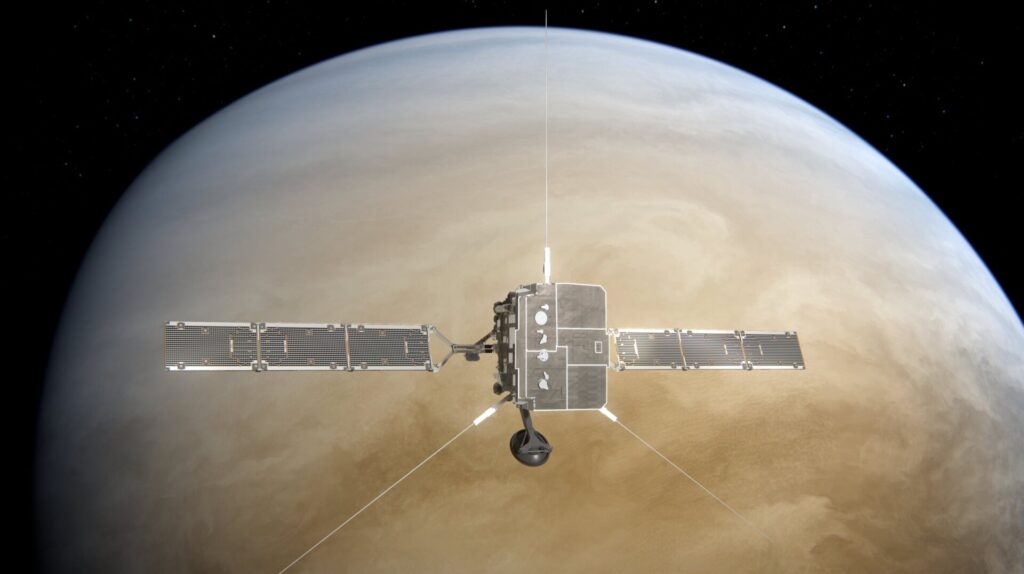
Here's what Solar Orbiter saw during its recent close approach of the Sun.
The "Reverberation Machine" is helping scientists detect outbursts from black holes.
The superheated material is expected to reach us on Thursday, potentially generating auroras.
The Solar Orbiter probe was 46 million miles from the Sun at the time the extraordinary image was taken.
The NASA spacecraft has made its first direct contact with the Sun's atmosphere, a historic achievement.