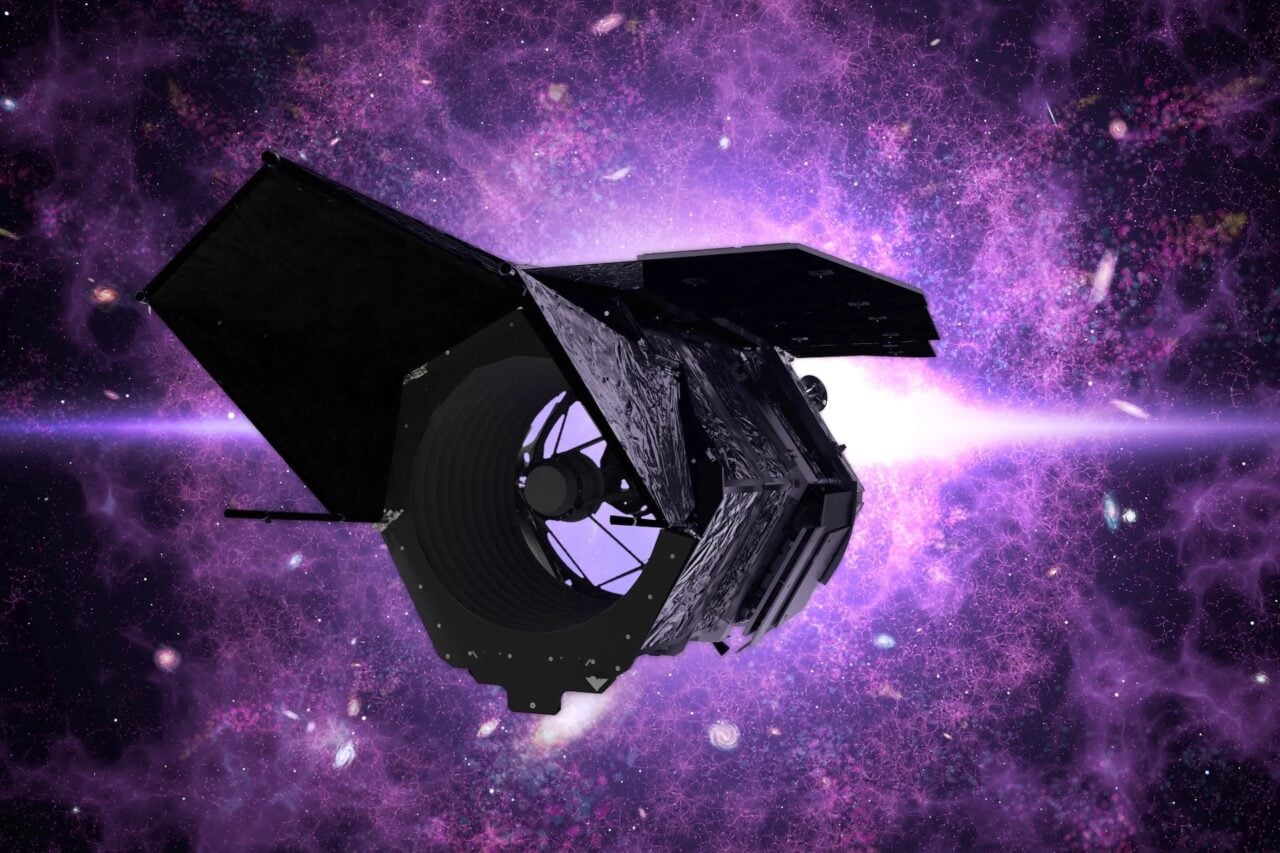
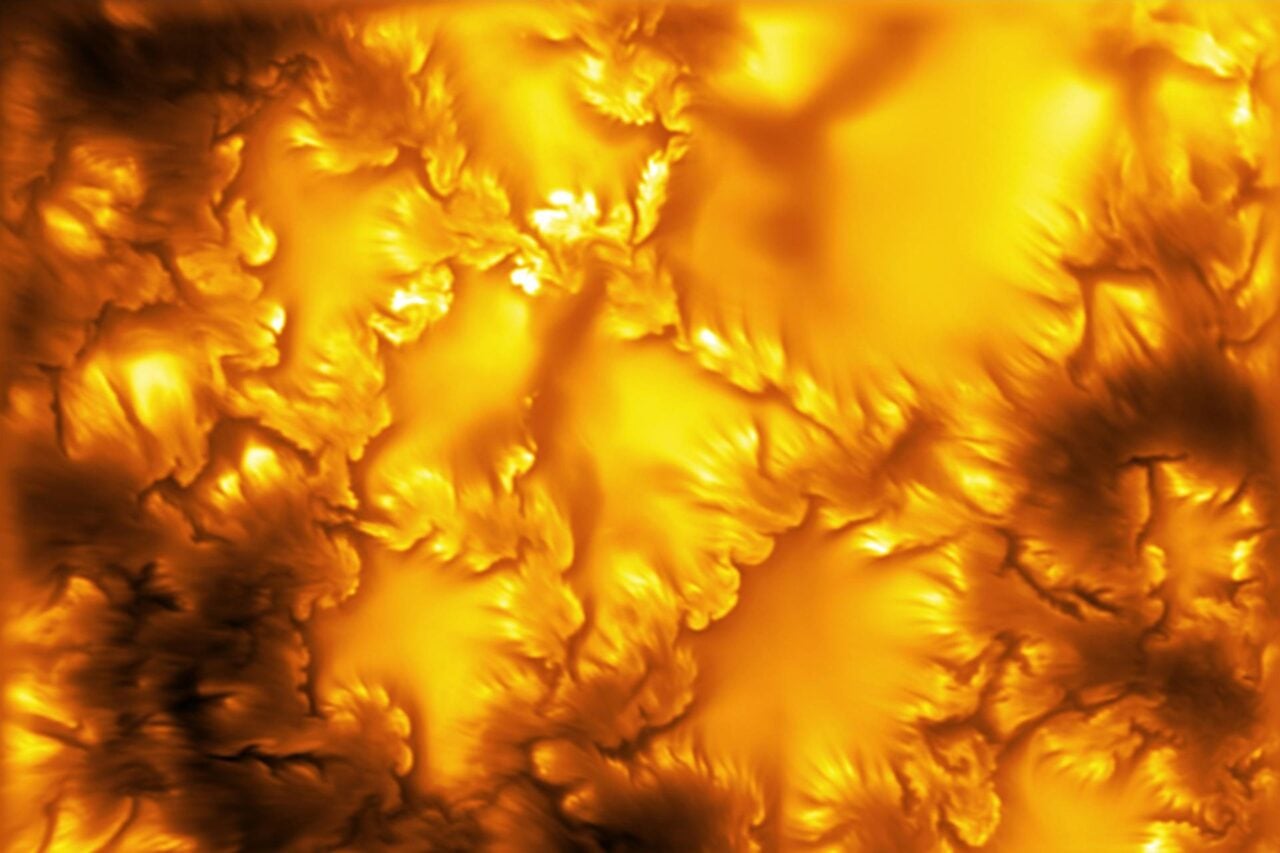
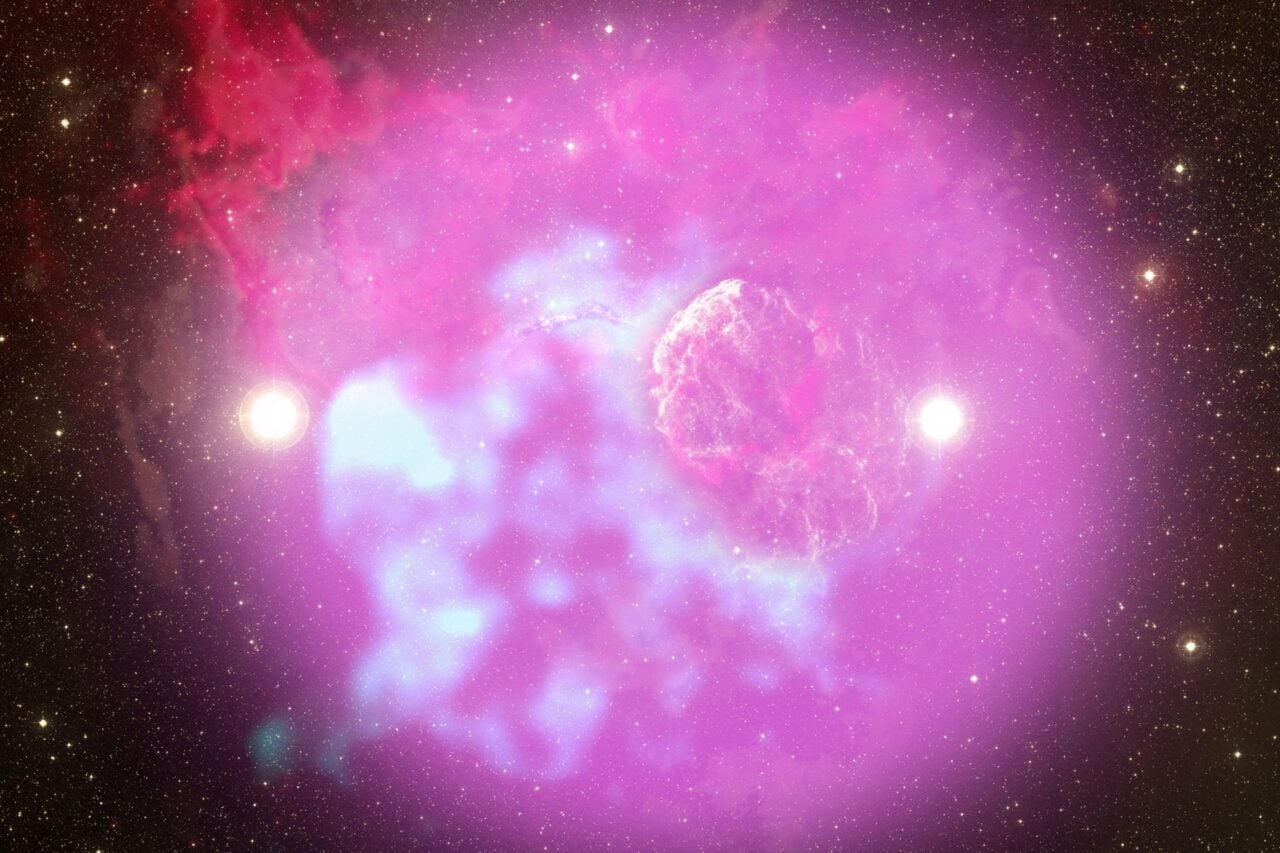
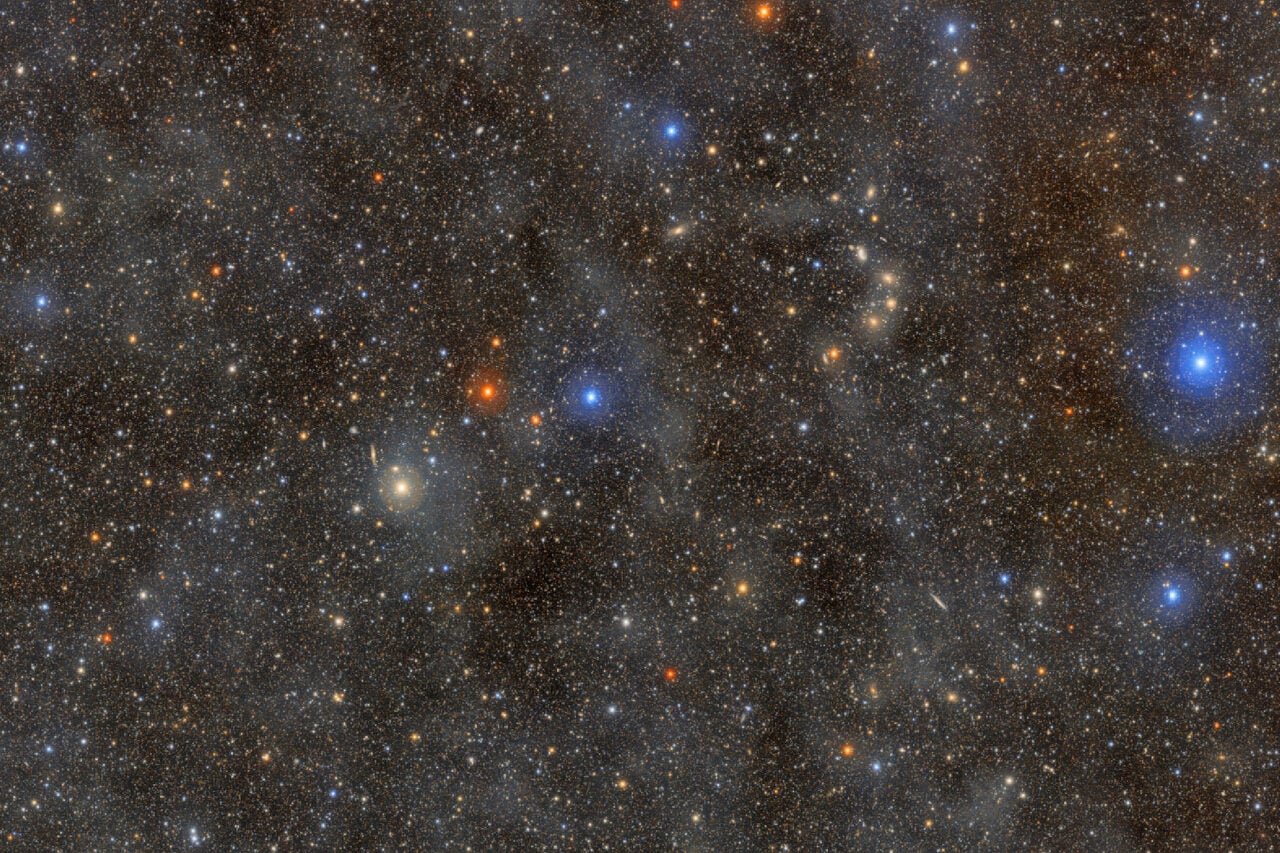
The Atacama Cosmology Telescope in Chile not only confirmed one of the greatest mysteries in the universe—it also ruled out dozens of models that attempted to solve it.
The object was detected by observing how its gravity distorts light behind it.
Using the world’s largest digital camera, Rubin will capture a full view of the southern sky every three days.
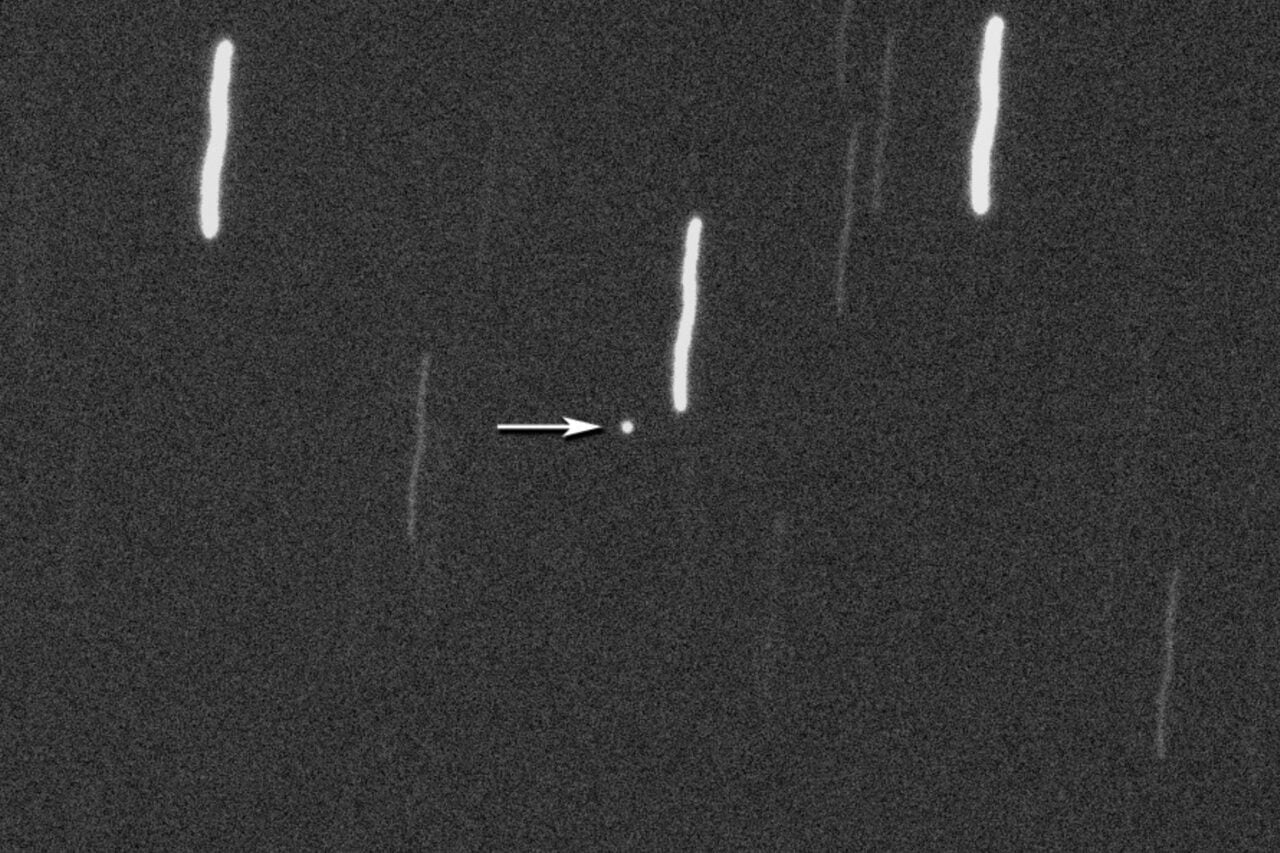
Airplane-sized asteroid 2025 QD8 will come within roughly 136,000 miles (218,000 kilometers) of Earth on September 3.
Astronomers have constructed one of the most detailed images yet of Abell 3667, a giant galaxy cluster about 700 million light-years away from Earth.
Gutting the National Science Foundation’s budget would prevent the agency from breaking ground on the Thirty Meter Telescope in Hawaii.
In just over 10 hours of test observations, the Vera C. Rubin Observatory captured millions of celestial objects, opening the door to a whole new world of astronomical discovery
The Vera C. Rubin observatory will host a “first look” event at 11 a.m. ET on Monday, June 23. You can watch it live right here.
The 2026 budget request states that NSF will operate only one of the two LIGO sites, drastically reducing its cosmic listening ability.
Extreme nuclear transients are 10 million times rarer than supernovae and emit the same amount of energy as 100 Suns.
The project in the Atacama Desert could increase light pollution by up to 50%, making it much harder to observe the cosmos near the Paranal Observatory.
The Cherenkov Telescope Array just got a major boost for distributing its data, a development that will expedite scientific discovery using the observatory.
The giant jet flips the script on the origins of these structures, which were once thought to be linked only to extremely large black holes.
The reliable telescope on a Hawaiian mountaintop is about to get a big upgrade.
The intrepid mapping mission has collected more than three trillion observations that'll change the way we see our neck of the cosmic woods.
Researchers found far more hidden black holes than previously known, indicating plenty of behemoths lurking in thick clouds of gas and dust.
A year of discovery awaits, with missions poised to reveal new insights about our home planet, solar system, galaxy, and beyond.
From black hole jets to auroras on Mars, this year had plenty of astrophysical wonder.
The star offers hints at how huge stars shed gas and dim towards the ends of their lives.
Comet C/2023 A3 (Tsuchinan-Atlas) won't be this close to Earth again for over 80,000 years, assuming it survives its approach to the Sun.