
Turns out, NASA’s spectroscopic imaging tool, EMIT, can detect water pollution.
The longer tea steeps, the more contaminants it filters out of the water—but the tea bag matters.
From human testicles to clouds, microplastics have infiltrated seemingly everything.
It's unclear whether the presence of plastic could explain a global decline in sperm counts.
"These findings identify a previously unknown human exposure route to rubber additives," the authors wrote.
A New York City bill to ban laundry pods is one of many proposed solutions to an environmental disaster.
New research shows that every liter of bottled water contains 240,000 pieces of microplastic.
A new study has shown that microplastics can be found in mountain clouds, while also providing early evidence that they might possibly affect cloud formation.
The sweeping bill is unlikely to pass, but its components could still make an impact.
Japanese scientists found microplastics in cloud water samples on top of two mountains in Japan. Nowhere is safe from plastic pollution.
New research found that the eco-friendly "alternative" to plastic cups has adverse health effects on larvae.
Mice were exposed to microplastics in their drinking water, and those with higher exposures behaved erratically.
"Residents have been exposed to raw sewage in their neighborhoods, their yards, their playgrounds, their schools and even inside their own homes."
Frozen polar waters host a critical species of algae. Accumulating plastic particles could threaten the whole ecosystem.
Researchers found coastal invertebrates, anemones, and even crabs living on plastic far out in open ocean.
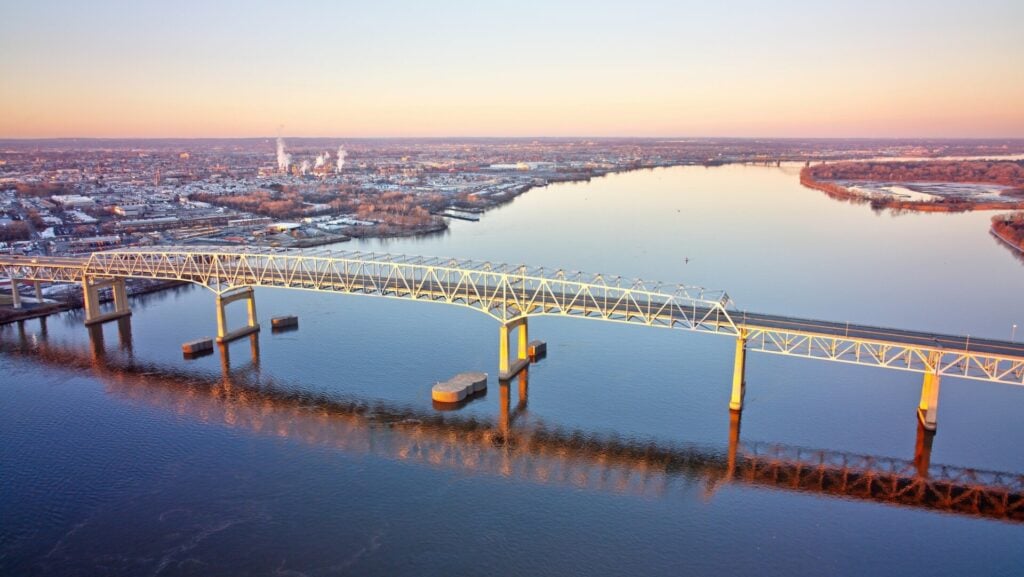
More than 8,000 gallons of a latex chemical solution spilled into the Delaware River on Friday. So far, officials have said tap water remains safe to drink.
Some evidence suggests that trichloroethylene, or TCE, is an invisible cause of the devastating neurological condition.
A new analysis puts some scary numbers on our global plastic problem.
Along more than 140 miles of Florida's west coast, humans and marine life are suffering from a toxic algae bloom.
A pair of studies examines ways to break down plastic, but there may be risks in trying to amplify these natural processes.