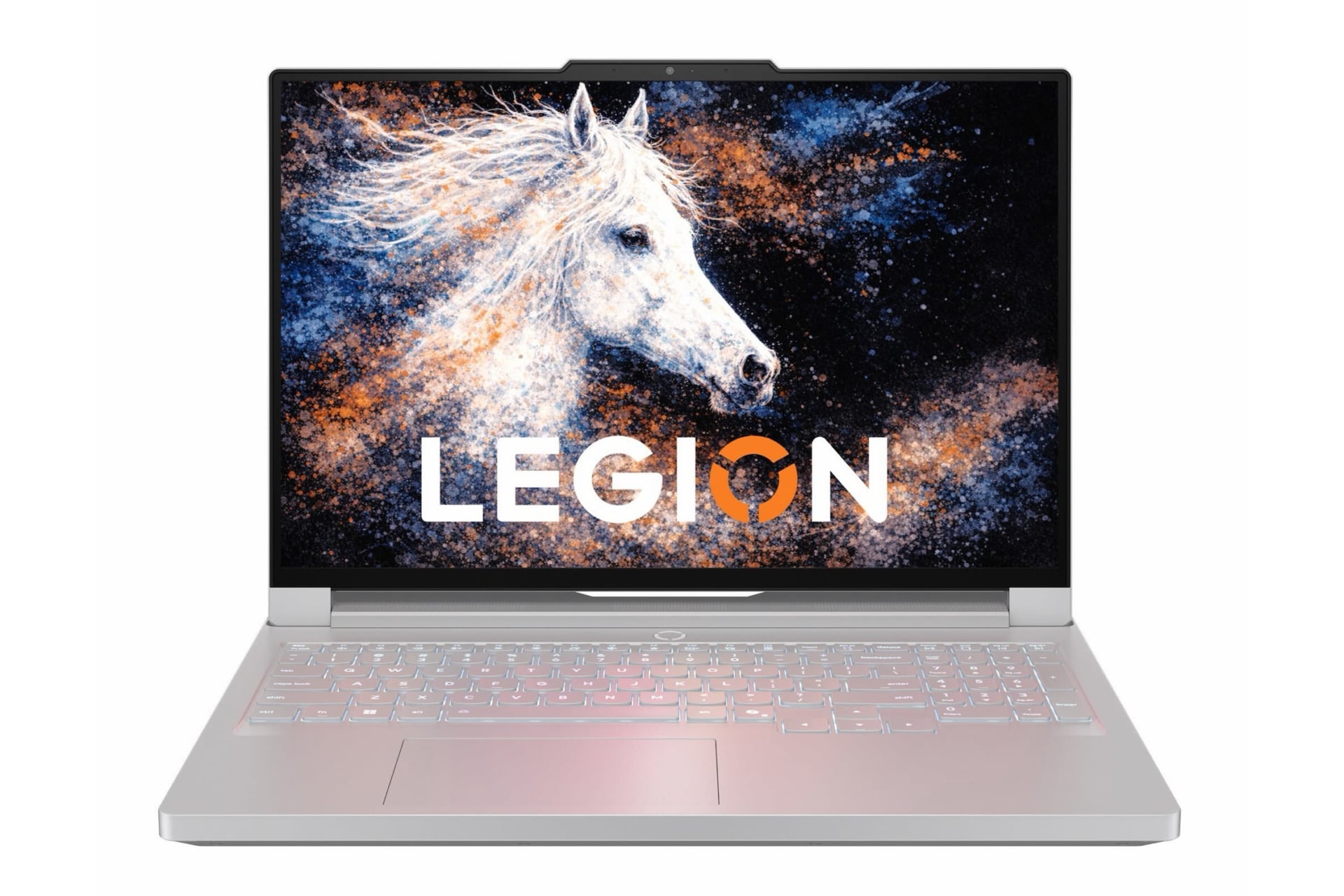
Contrast-rich OLED displays sure are pretty, but they’re also still too pricey. TCL may have the remedy we’ve been waiting for—a new, cheaper way to make OLED screens for laptops thanks to “inkjet printing.” No, it’s not like your at-home paper printer… Okay, it’s kind of like your printer.
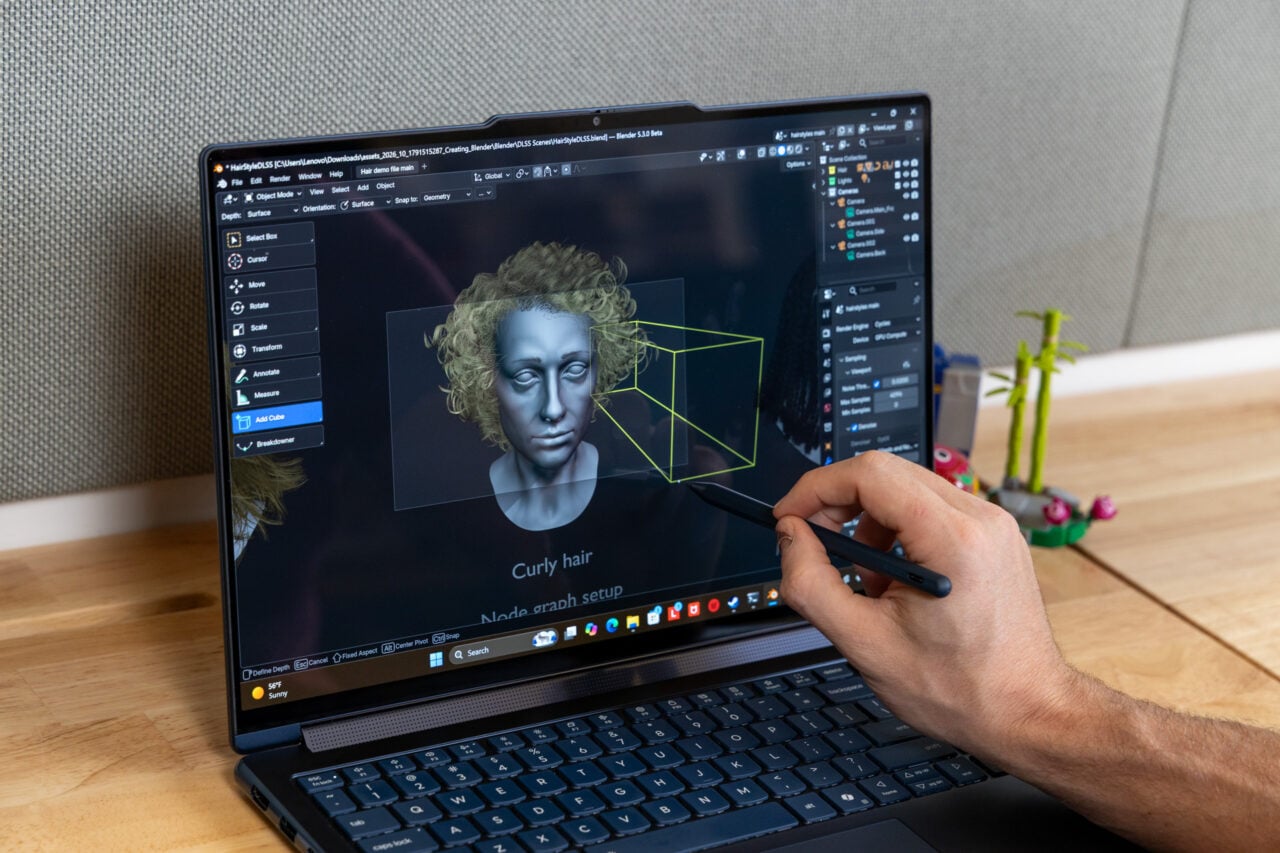
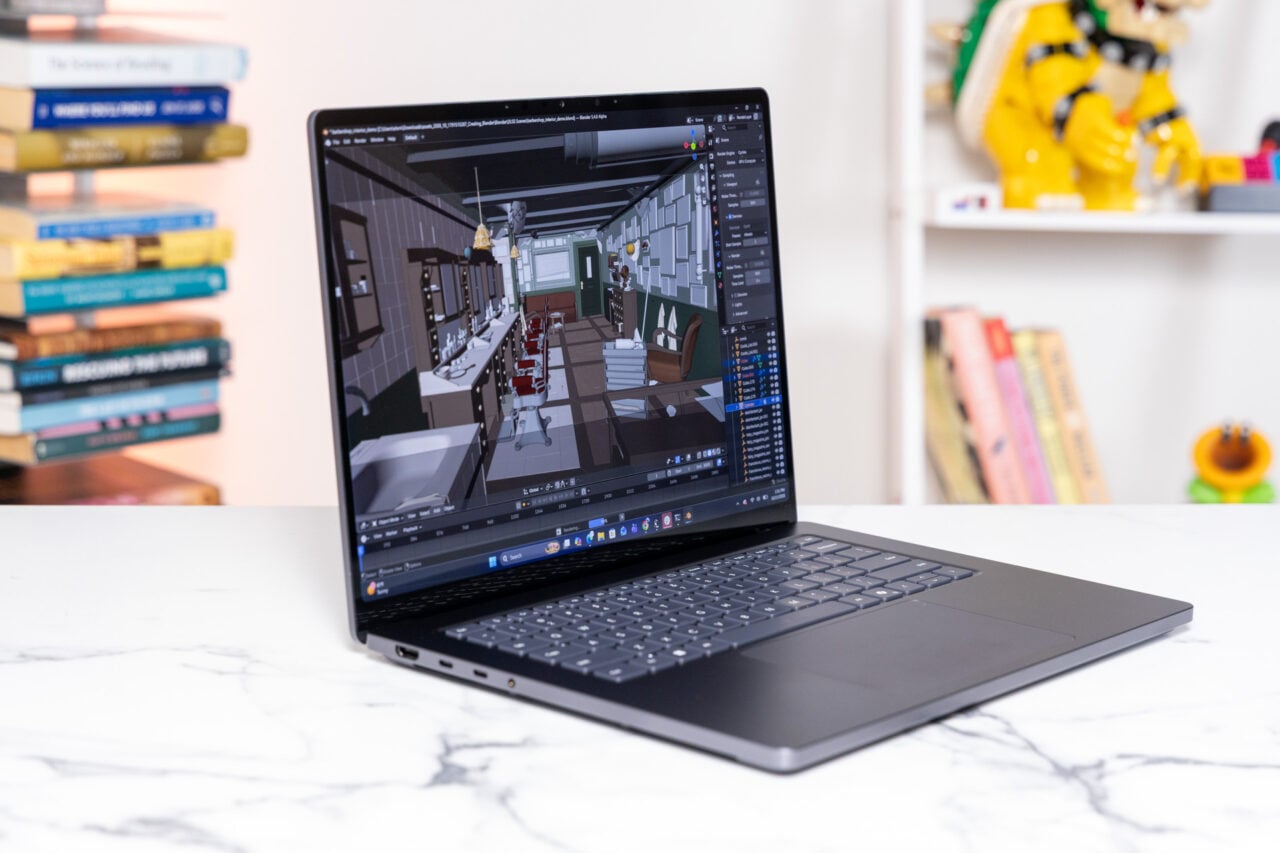
On Thursday, TCL CSOT shared details of a new China-exclusive laptop, the Lenovo Legion R9000P, complete with a 16-inch OLED display made by TCL’s touted “IJP”—aka inkjet printing—manufacturing process. The laptop screen supposedly hits a max 240Hz refresh rate, though neither company is sharing much else about the laptop specs. Lenovo sells several different Legion R9000 laptops in the Asian market.
All that matters is the screen, or, really, how TCL helped make the display. Organic light-emitting diode displays make use of thousands of individual self-emissive lights that can display red, green, and blue colors. Most OLEDs are constructed using a vacuum thermal evaporation process that relied on so-called fine metal masks (FMM) to pattern the organic substrates. It’s a complicated and often wasteful process that requires specialized factories to make these screens. TCL said that using inkjet printing is more efficient and lower-cost since it doesn’t use an FMM or waste as much material.
We may see more than just laptops sporting IJP OLED. This week, fellow laptop maker MSI showcased its MSI PRO MAX OLED 271UPJW12 monitor. It’s a 27-inch, 4K screen that hits all the notes you expect, including a 120Hz refresh rate and RGB stripe technology (which reduces fuzziness around text) and promises a 1,000 nits peak brightness in HDR (300 nits typical, though). It would be one of the first commercial-end monitors made using IJP.
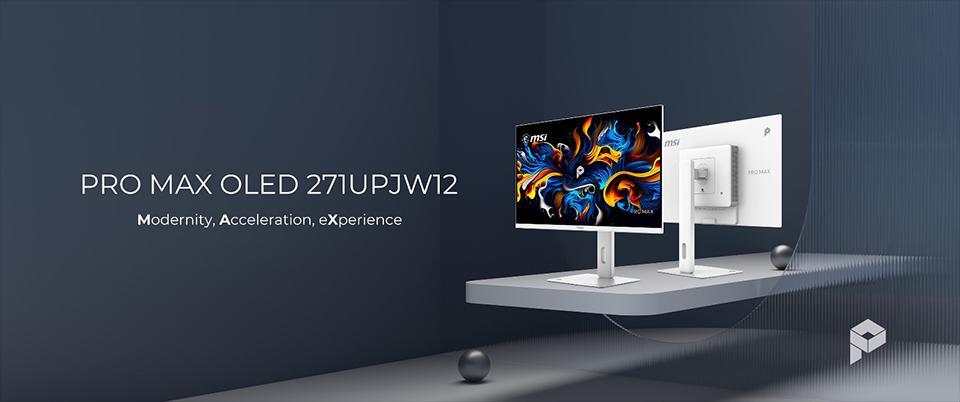
There’s still a Reddit thread showcasing the monitor, though MSI inexplicably took down the product page. Hopefully, it won’t be too long since we see this monitor or the Lenovo laptop for ourselves.
TCL has been proclaiming the inkjet-printing OLED future for years now. Hell, we’ve known about this method of OLED manufacturing for more than a decade. Back in 2023, the China-based screen maker showcased a folding TV-sized OLED screen made using inkjet printing. In 2024, TCL claimed it finally managed a “breakthrough” in inkjet OLED manufacturing, promising better image quality and overall OLED lifespan.
TCL is known mostly for its relatively affordable TVs, so much so that it claims around a 14% market share in the TV space, according to Counterpoint Research. The brand relies on LCD and mini LED screens for the vast majority of its televisions. Pushing a new blend of OLED, one made by TCL, would finally let the TV maker stretch its wings and compete against the likes of Samsung and LG for smaller screens. Eventually, TCL may even try to push cheaper OLED TVs.
In a time where every other laptop component is getting way too expensive, at least we can agree that cheaper OLED displays will be one spot of good news in a tapestry of dire tidings.