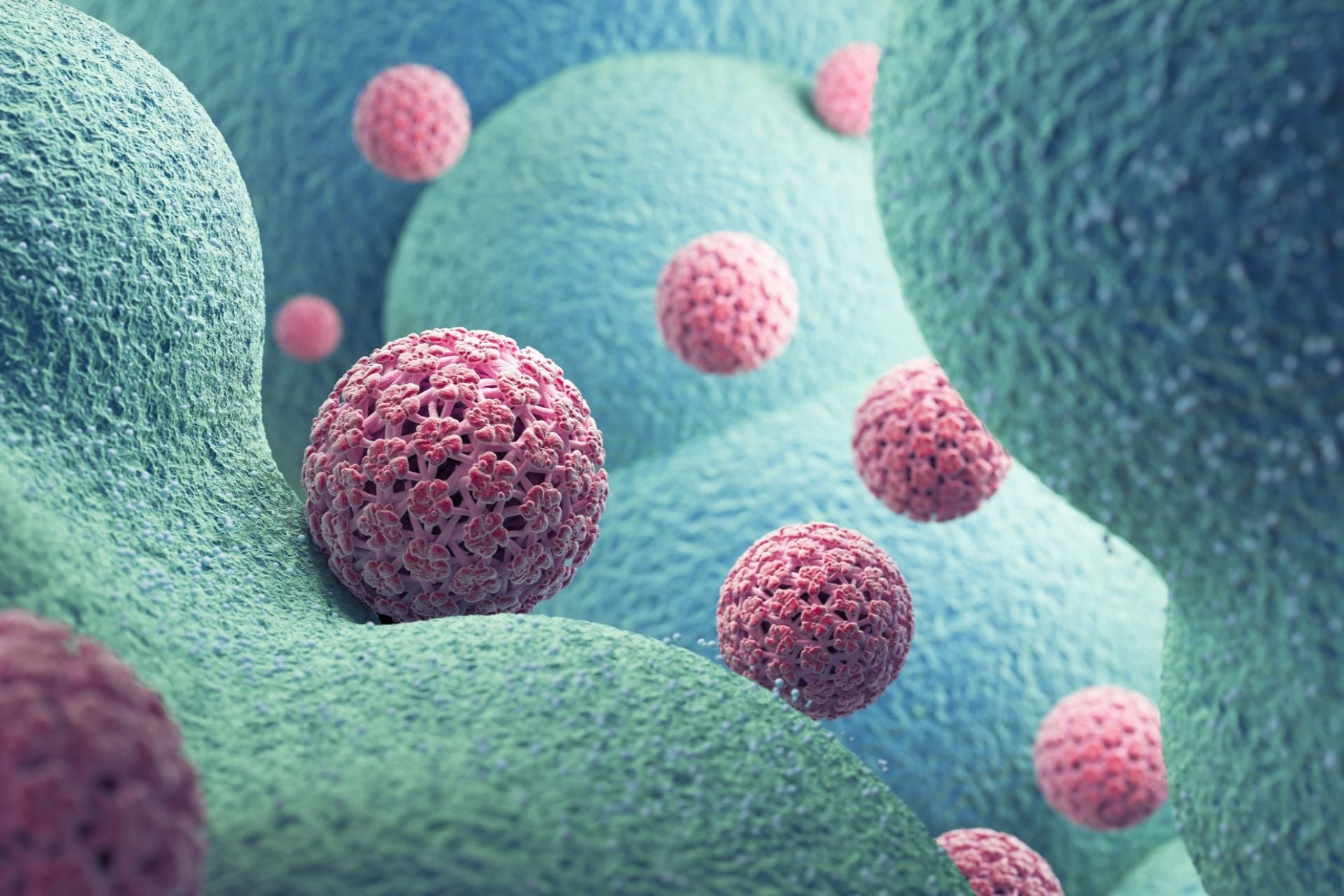
A highly effective vaccine for the human papillomavirus is looking even better than we hoped, thanks to new research that suggest HPV vaccination can prevent a variety of cancers, not just cervical cancer.
Researchers in Taiwan examined the medical records of over 1.4 million Americans, half of whom were vaccinated against HPV. Compared to unvaccinated people, HPV-vaccinated people were significantly less likely to develop cancers of the neck and head, they found.
The findings provide “real-world evidence supporting the potential broader benefits of HPV vaccination,” the authors wrote in their paper, published this month in the International Journal of Infectious Diseases.
The harms of HPV
HPV is a ubiqutious passenger of humanity. Just about every person will catch the sexually transmitted virus at some point in their lives. However, there are actually around 200 types of HPV.
Many HPV types will go unnoticed and never cause any illness. Others cause unsightly but ultimately harmless growths that we call warts (these include genital warts). And certain high-risk HPV types can linger in the body and raise the chances of cancer. HPV vaccines are intended to prevent the most common high-risk HPV types (the vaccine currently available in the U.S. also prevents some types that cause warts).
These high-risk infections are responsible for the vast majority of cervical cancers in women, and studies have consistently shown that HPV vaccination programs are helping reduce the incidence of cervical cancer in conjunction with early screening. In some countries, these programs have been so successful that cervical cancer might already have been eradicated on a local level.
However, HPV is also a major leading cause of several other cancers that affect men and women, including head and neck cancers. And the current study researchers wanted to study how vaccination is affecting the incidence of these cancers as well.
Beyond cervical cancer
The team analyzed medical records from a large database of U.S. patients across the country. They compared roughly 700,000 people vaccinated against HPV to a same-sized group of similar people who recieved other non-HPV vaccines, then tracked their outcomes for up to 13 years.
By the end of the study period, 40 people in the vaccinated group had been diagnosed with a head or neck cancer, compared to 130 people in the unvaccinated group, the researchers found. Vaccinated people were especially less likely to develop oropharyngeal cancers (the oropharynx is the middle part of the throat, behind the mouth).
Upon closer inspection, this associated risk reduction was only statistically significant among people who were first vaccinated between the ages of 9 to 26; vaccinated people in this age group were roughly 68% less likely to develop a head or neck cancer. This is probably because older people are more likely to have already caught high-risk HPV infections before they were vaccinated. The researchers did still observe a potential reduction in cancer risk even among older people, just not one that could be conclusively shown.
These findings can ultimately only demonstrate an association between HPV vaccination and reduced cancers of the head and neck, not a clear cause-and-effect relationship. And because HPV-related cancers tend to take years, even decades, to emerge following exposure, it will take more time to know just how effective vaccination is at reducing risk. That said, other studies have found a similar link between taking these vaccines and a lower chance of these and other non-cervical cancers, including penile cancer in men.
Unfortunately, though the HPV vaccine is now widely recommended for everyone starting as early as age 9, vaccination rates are lower in the U.S. than many similar high-income countries. As of 2024, only about 63% of U.S. teens were up-to-date with their HPV shots, whereas countries like Denmark and Spain are expected to reach 90% coverage by decade’s end.