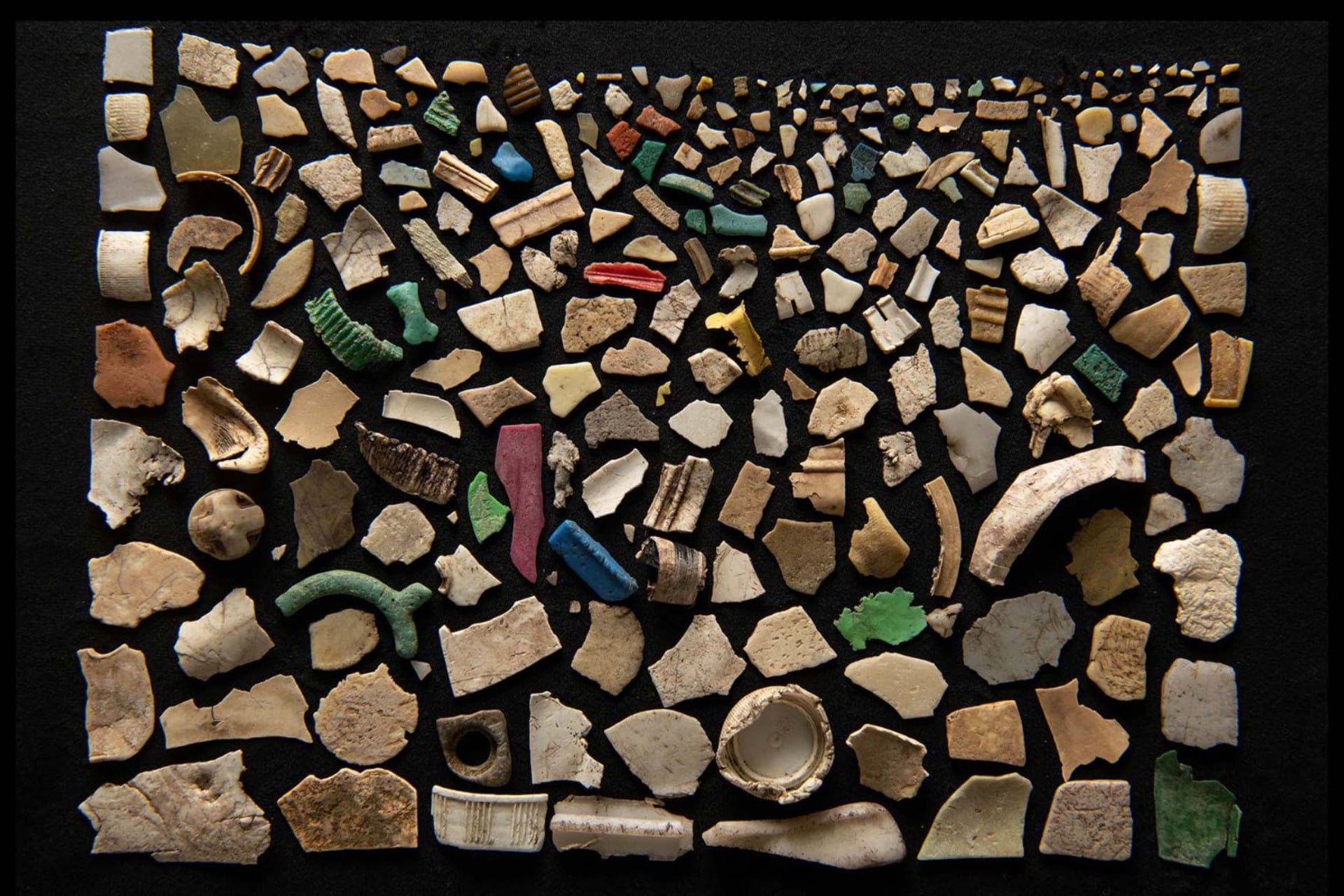
Seabirds in Australia are breaking records again. Last year, researchers on Australia’s Lord Howe Island found birds so stuffed with plastic that they physically “crunched.” Among these crunchy birds was a dead chick that had eaten a record-breaking 778 pieces of plastic. If you think it can’t possibly get any worse, think again.
In a study published earlier this month in the journal Earth’s Future, researchers from the Adrift Lab in Australia discovered a fledgling that had eaten 894 pieces of plastic—a new record. The scientists analyzed plastic ingestion patterns in Australian seabirds using 16 years of data, detecting a sudden jump in bird exposure to plastic in recent years that aligns with the increasing amount of waste ending up in our oceans.
Since 2023, the record for the greatest number of plastic items found in a single bird has been broken every single year.
The worst-case scenario keeps getting worse
“In 2012, we found a sable shearwater with 276 pieces of plastic in it. We thought this was the worst-case scenario, as a fledgling of that size couldn’t survive eating any more,” Alex Bond, co-author of the study and principal curator of birds at the Natural History Museum, London, said in a statement. “We were wrong. From 2023 to 2026, the record for the most plastic ingested by these birds has been broken year after year. The plastic crisis is only getting worse, but we’re acting nowhere near fast enough to try and tackle it.”
The 894 plastic pieces found in a single bird this year weigh a total of 2.3 ounces (64.2 grams), which is over 15% of a shearwater’s expected body weight. In human terms, it would be as if a 176-pound (80 kilogram) person walked around with 27 pounds (12 kg) of plastic.
Why are birds eating so much plastic? According to the researchers, the problem is that bird parents think plastic waste floating in the open ocean is food, and they feed it to their young.
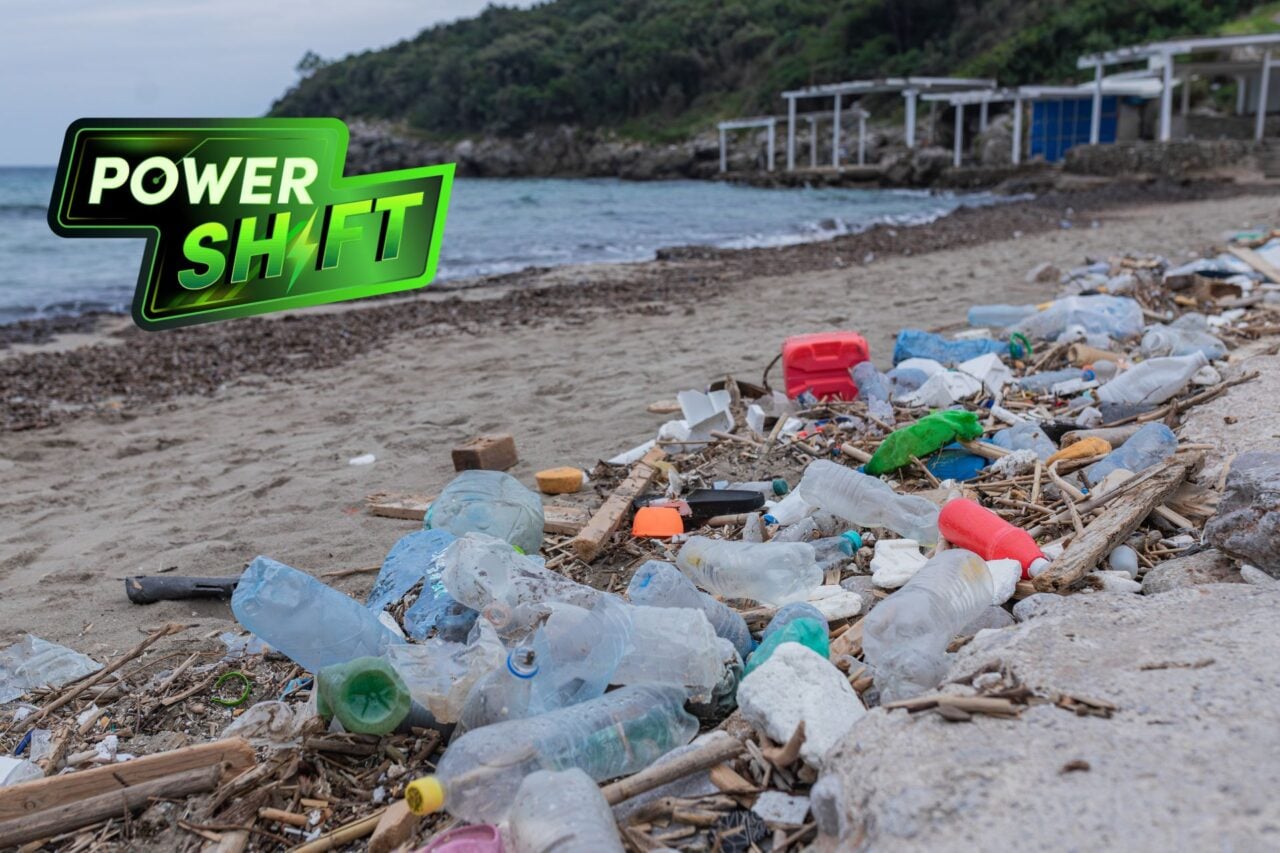
Bond, who is also a member of the Adrift Lab, and his colleagues also found increasing proportions of bottle caps and plastic resin pellets called nurdles in the ingested plastic. They point to the need for legislation to enhance the recycling of these objects, such as attaching bottle caps to bottles (which Europe already does), as the Global Plastic Treaty talks move forward.
Understanding plastic pollution
Unfortunately, even if humans magically stopped producing plastic right now, the amount of waste in the planet’s oceans would still continue to increase for decades. In other words, we need to better understand the impact of plastic pollution to safeguard marine wildlife. And our thoughts should be with Adrift Lab scientists, who have been pumping plastic out of the stomachs of young birds for years.
“Terms like ‘unprecedented’ and ‘horrific’ really don’t do it justice,” they wrote last year in an Adrift Lab press release. “As scientists on the front lines of the environment/pollution/biodiversity crises, we can barely begin to describe what witnessing this for two decades has done to our mental and physical well being.”
It’s hard not to get depressed when reading about these things. The good news is that researchers are working on clever approaches to tackle plastic pollution, including transforming it into a carbon-eating material and clean fuel, and even using black fungus to turn it into edible ingredients.