Even today, a stab to the face is considered a fairly serious injury. So, one can imagine how fatal that’d be to someone living tens of thousands of years ago. But human perseverance is a remarkable thing—long before modern medical procedures existed, one of our early human ancestors survived a stab wound to the face.
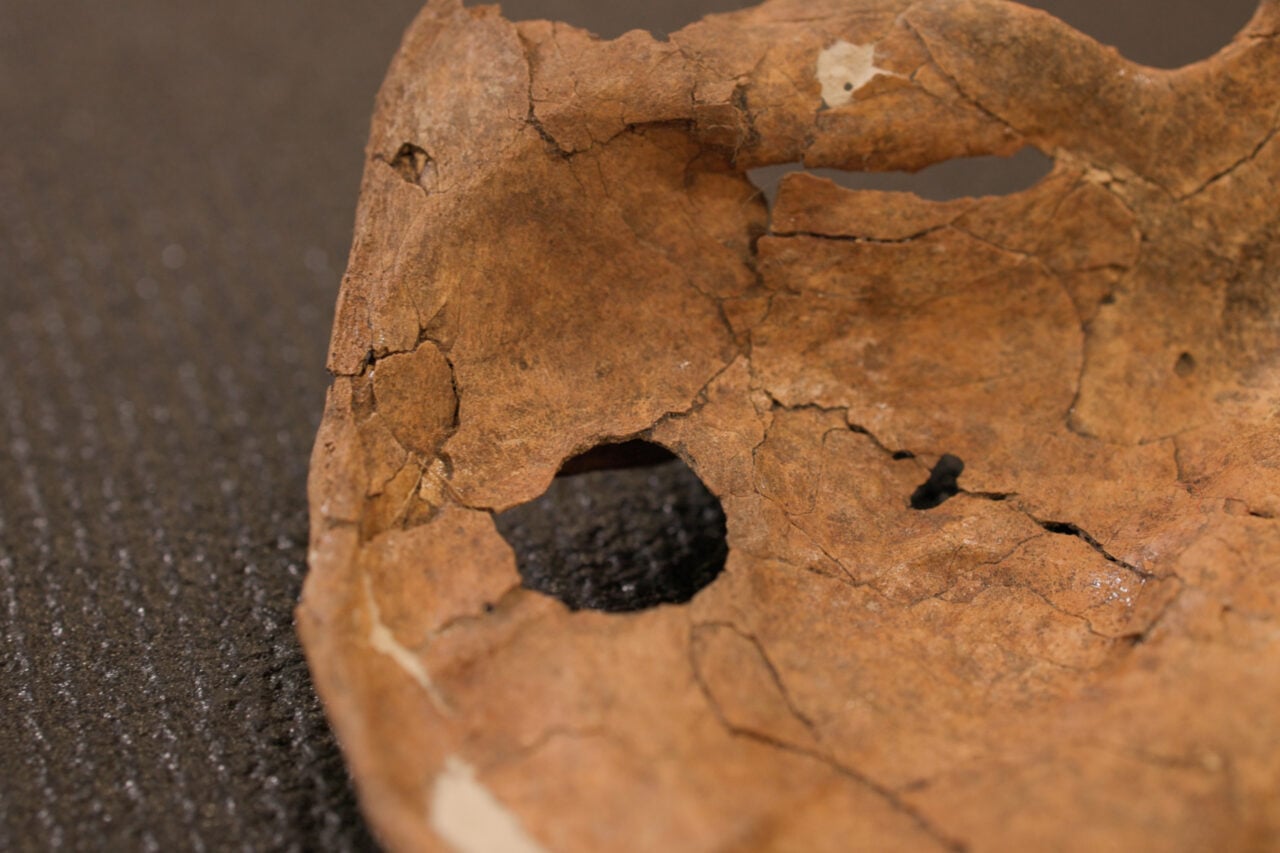
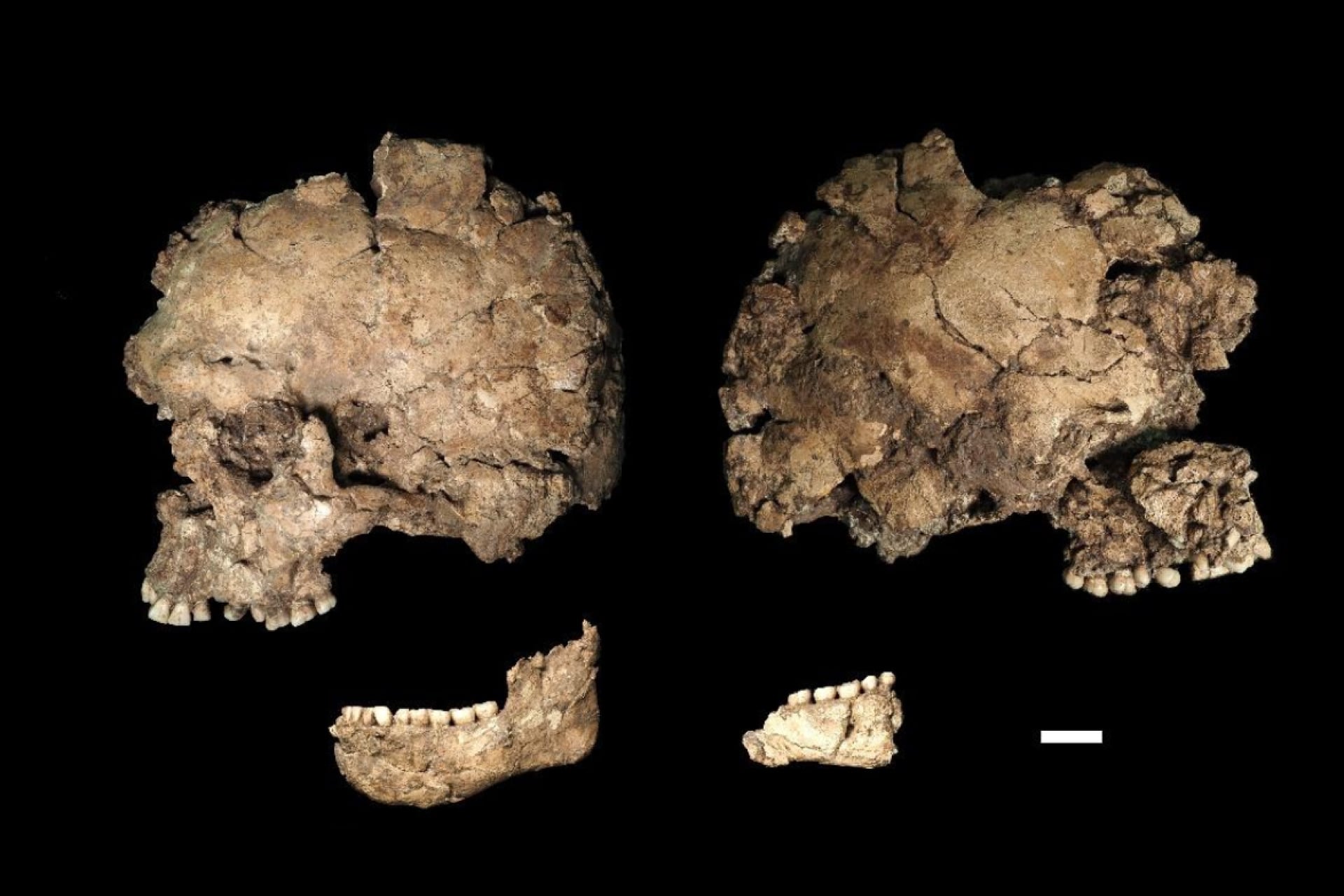
In a study published late last month in Scientific Reports, archaeologists describe the results from a new analysis of Qafzeh 25, a fossil human estimated to be between 92,000 and 145,000 years old. For the latest research, scientists applied advanced analytic techniques to reveal that one of these individuals, Qafzeh 25, had a cut mark across his lower left jaw. The injury could have been an accident, but the team thinks it “most likely resulted from interpersonal violence.” If that hypothesis is correct, the fossil would represent one of the oldest known instances of violence among the earliest humans.
“These findings provide new evidence in the ongoing debate about the origins of complex behaviors such as interpersonal violence, the care of injured or ill individuals, and funerary practices,” Ana Pantoja Pérez, the study’s first author and an archaeologist at Spain’s National Research Center for Human Evolution, said in a statement.
A rediscovered injury
Excavations at Qafzeh Cave, in what is now Israel, during the 1930s and again in the 1970s uncovered the remains of at least 27 individuals. Among them was Qafzeh 25, a partial adult skeleton, likely male, unearthed in 1979. Its initial placement in the cave suggested it was intentionally buried, perhaps in a very early funeral practice, according to the study.
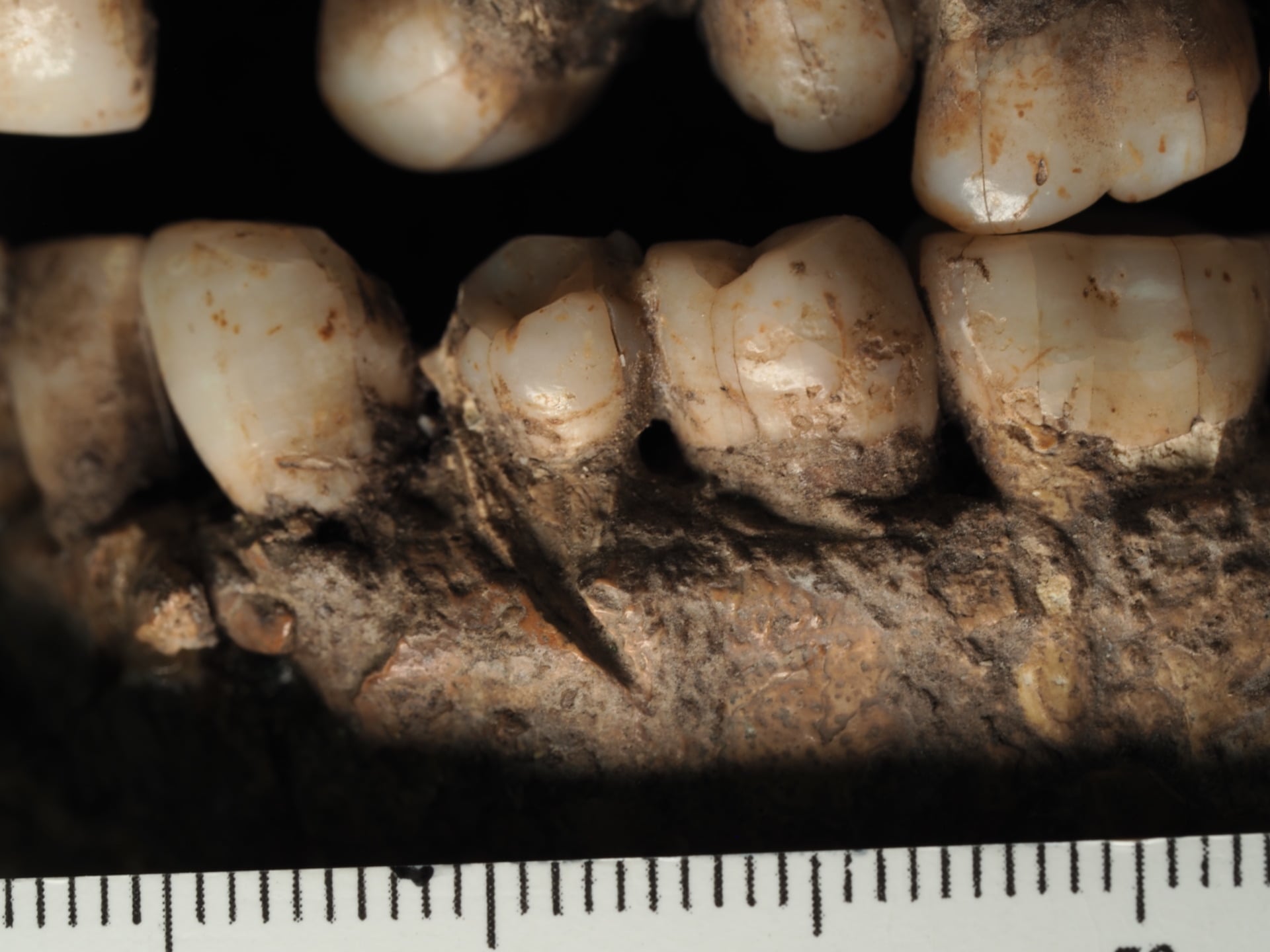
For the latest analysis, the team used an “integrated approach” to gain a clearer picture of Qafzeh 25’s anatomy, as the statement explained. As a result, the researchers found a “series of bone anomalies” affecting the left side of the individual’s jaw. Fascinatingly, there were signs of bone remodeling that indicated that the injury was healing while the individual was alive. In addition, the team also clocked some enamel defects and hidden cavities in its teeth.
Accident or conflict?
As is typically the case with archaeological discoveries, the team can only make educated guesses as to what might have happened, in this case the source of the injury. It’s entirely possible that the individual sustained the wound in an accident, for instance, while out hunting. However, the researchers believe there is a good chance the wound was caused by interpersonal conflict. For example, facial injuries resulting from interpersonal conflicts have a higher chance of being on the left side, assuming that the assailant was right-handed.
This, in combination with sharp-force trauma—in itself rare in ancient human fossils—“renders an interpersonal interpretation more plausible than an accidental one, even if the latter cannot be categorically ruled out,” they wrote. In any case, that the fossil record showed signs of healing indicates the individual did survive the injury. To the researchers, that supports the “notion of resilience and possible care within the community,” according to the paper.
A social animal
For obvious reasons, investigating aspects of the human past such as violence, care of the sick, and funerary behavior is very challenging. But when the opportunity does arrive, these discoveries shed light on the ways in which humans have cared about their community. That was true even if, strictly speaking, their presence was a “burden,” such as the discovery of a Pazyryk woman who outlived her jaw injury and surgery.
Ultimately, these findings represent “fundamental aspects for understanding the social and cultural evolution of our species,” Pantoja Pérez concluded.