In 1983, American audiences became enraptured by The Day After. The made-for-TV movie with an all-star cast imagines a scenario that was on everyone’s mind at the time: what would happen if nuclear war really did break out and Soviet-launched bombs started dropping on the heartland?
Turns out people couldn’t get enough of seeing their nightmares play out on the small screen. The Day After became one of the highest-rated TV movies ever at the time. One year later, the BBC aired its own tale of nuclear doom with Threads, which takes a different approach and delivers perhaps even more harrowing results.
Instead of a straight narrative—The Day After follows overlapping tales of survival and anguish anchored by two-time Oscar winner Jason Robards and JoBeth Williams (who’d just starred as the mom in Poltergeist)—Threads is styled more like a docudrama. On-screen text that unfurls like a teletype feeds us bits of important information, including the date, as the moment of the attack draws near.
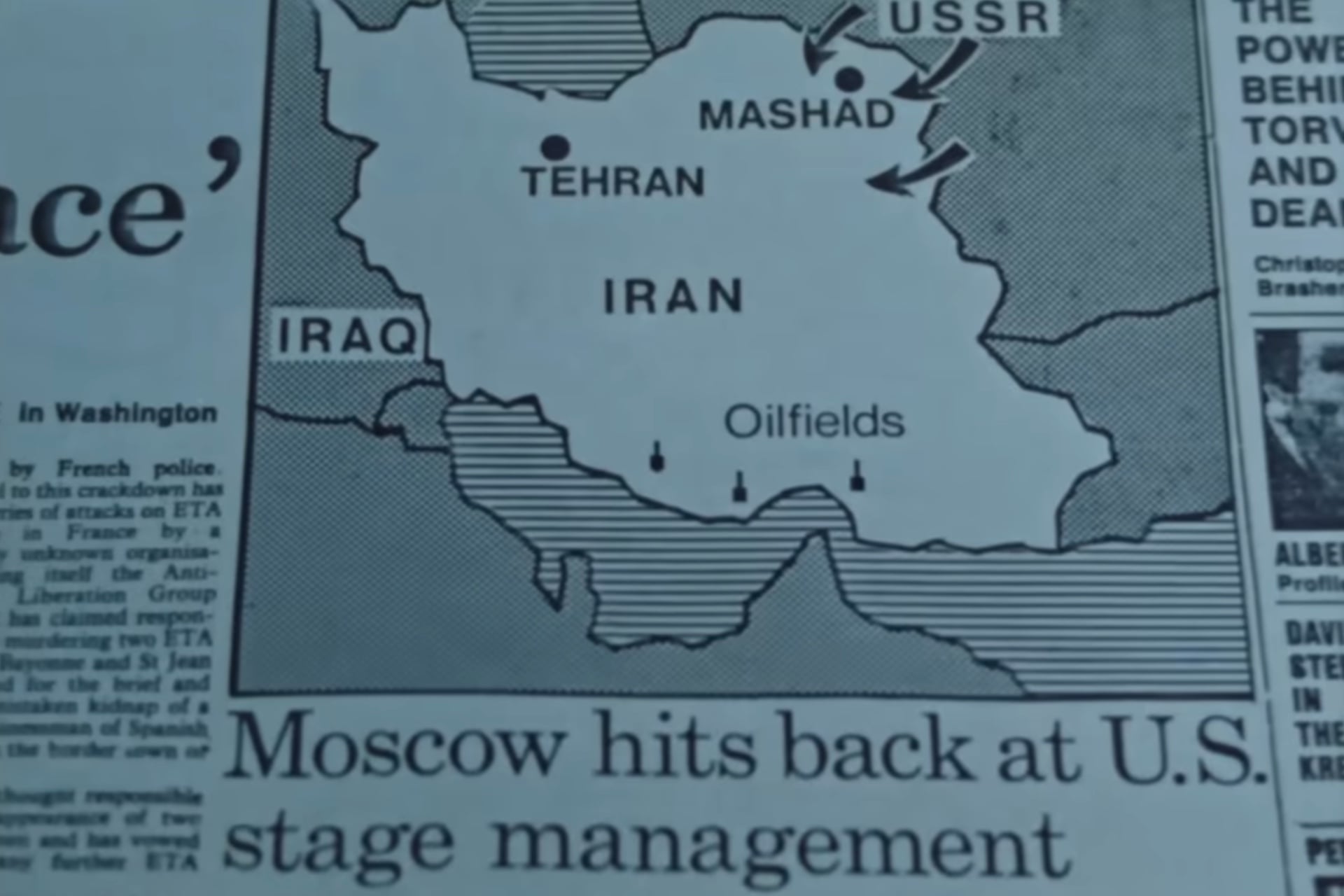
Of course, the viewer knows an attack is coming, but the ordinary folks populating Threads, which takes place in Sheffield, England, aren’t terribly concerned at first. Newspaper headlines and TV newscasters are full of talk about escalating tensions between the United States and the Soviet Union. Sure, things have gotten worse thanks to a skirmish in Iran—which feels uncomfortably timely in 2026, even if the context has shifted—but the Cold War’s been slogging on for decades at this point. And even though there’s a NATO airfield perilously nearby, Sheffield’s residents feel far removed from any potential action.
As the weeks slip by, we learn the young couple we’ve been following—Jimmy and Ruth—are expecting a baby, an unplanned event that their families begrudgingly accept despite the class differences between them. A shotgun marriage is planned, and they find a new home to share.
Elsewhere, the head of the Sheffield city council starts fielding vague but increasingly urgent directives from his superiors. It’s time to start preparing for a potential disaster, including keeping a close eye on fuel and food supplies.
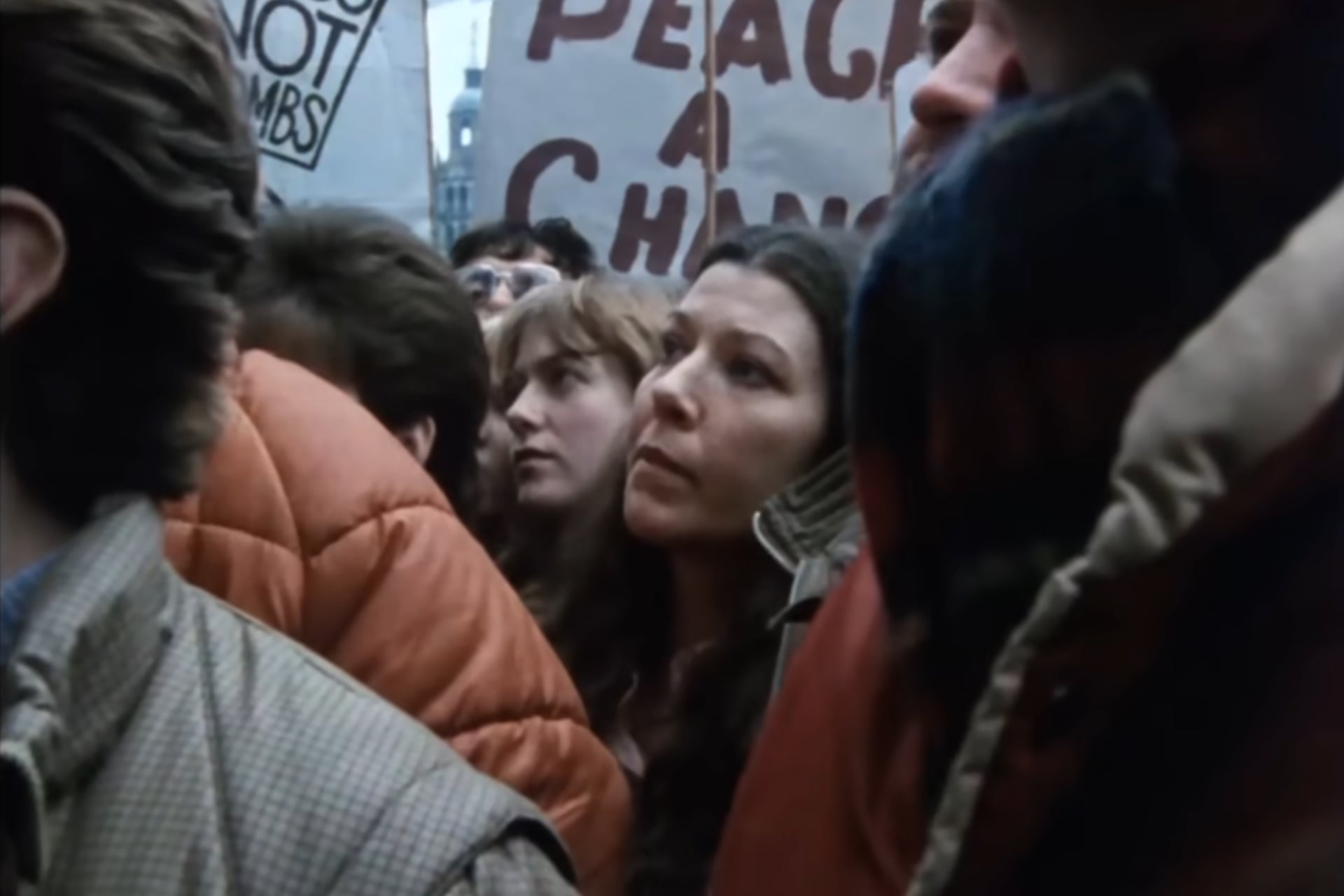
There’s a creeping feeling of futility and helplessness. Some people take to the streets in protest; others start hoarding groceries. But the majority don’t really alter their behavior, aside from nervously watching reports of military escalations in far-off places and other governments issuing ultimatums. The people have no say in what happens next, and most of them can’t believe it could ever really turn into full-on nuclear war.
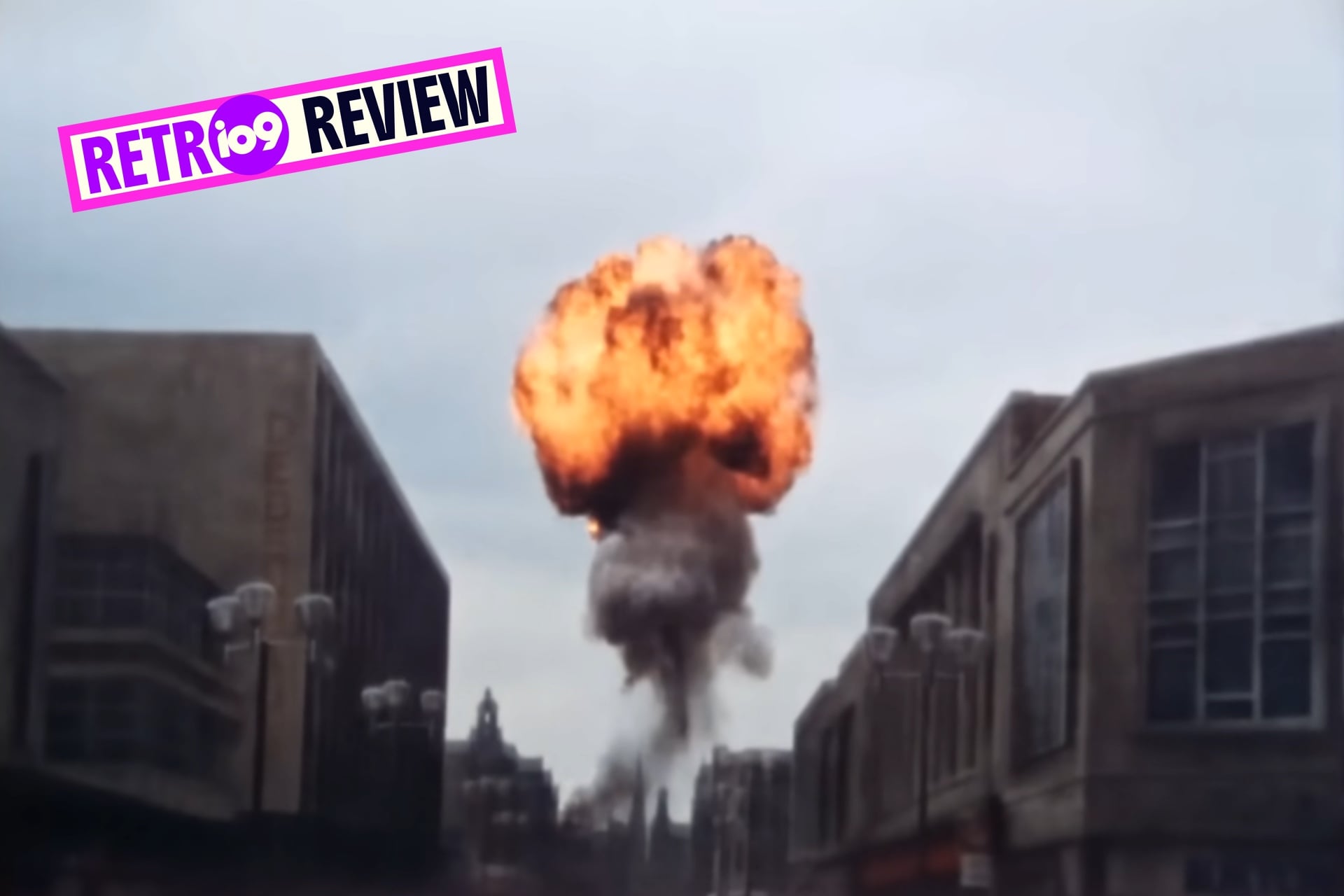
And at first, it seems like some saber-rattling is all it will take to end this. But then a warhead explodes in the air, triggering an electromagnetic pulse that knocks out communications and other electrical systems. That causes plenty of chaos, but the sirens are still blaring when the first actual bomb drops on the airfield.
Cue the bright flash and the mushroom cloud, the smashing glass and collapsing buildings. “Jesus Christ, they’ve done it,” Jimmy’s friend marvels, almost admiringly, as he watches the explosion unfurl in the sky. Another missile hits as we’re watching Jimmy’s family react to the first blast, and the sound cuts out for a few moments of chilling silence to back the fiery devastation—including an oozing, melting E.T. doll, an eerily memorable image—occurring on screen.
The immediate aftermath is obviously horrible as Sheffield becomes an inferno. Threads’ global story immediately becomes concentrated just on this town, but we can assume, based on the coldly imparted fact that “3,000 megatons” were dropped as part of this East-West battle, that no corner of the planet was spared.
But the days and weeks following the attack may be even worse. There are violent looters and equally violent authorities operating in a lawless world, where there’s not enough fuel to deal with basic needs, much less bury or burn the millions of corpses that now riddle the landscape. The people who managed to avoid instant death, including the pregnant Ruth, now face the very real possibilities of starvation or succumbing to radiation sickness, or both.
It’s grim as hell. And even when Ruth eventually gives birth (alone, in an abandoned building, because you can forget about getting any medical care in the wasteland), there’s no sense of joy or renewal. And that never comes. Threads hammers home that even years after the bombing, there’s no simple return to normalcy. The agony persists for generations.
No wonder people still point to Threads as one of the most devastating viewing experiences imaginable—like The Day After, it achieved high ratings and critical acclaim and eventually was broadcast stateside in 1985. And no wonder Threads is the latest streaming pickup by Shudder. It stands as a gruesomely realistic warning, and it’s just as haunting as any of the more conventional horror movies on the platform.
Threads is now streaming on Shudder.
Want more io9 news? Check out the best movies and TV shows to stream this month and all the upcoming sci-fi, fantasy, and horror books that should be on your radar.