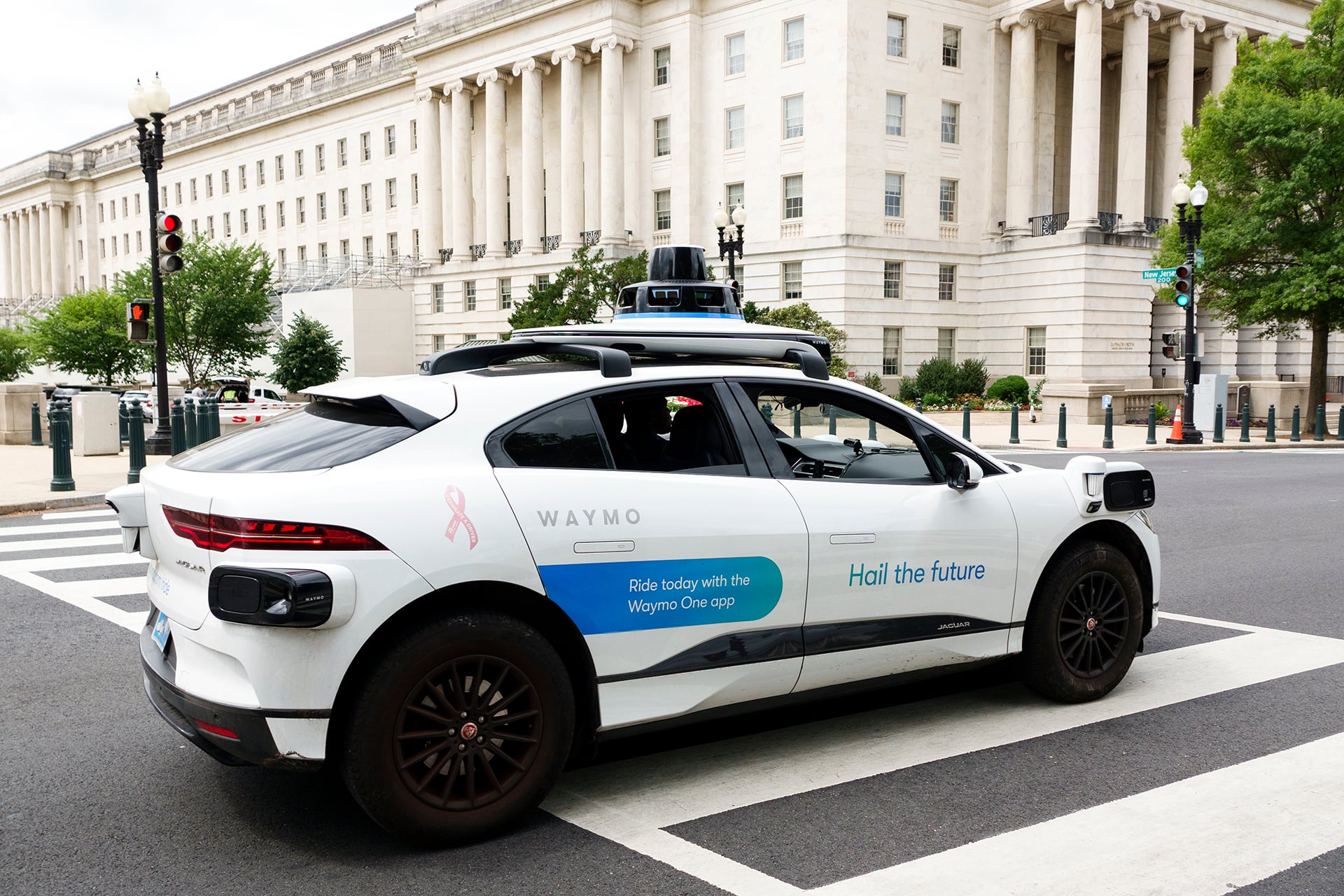
The Trump administration just took a major step towards eliminating brake pedal requirements for autonomous vehicles.
On Thursday, the National Highway Traffic Safety Administration (NHTSA) proposed updating the Federal Motor Vehicle Safety Standards to eliminate the mandate for manual brake pedals in cars designed to be fully self-driving.
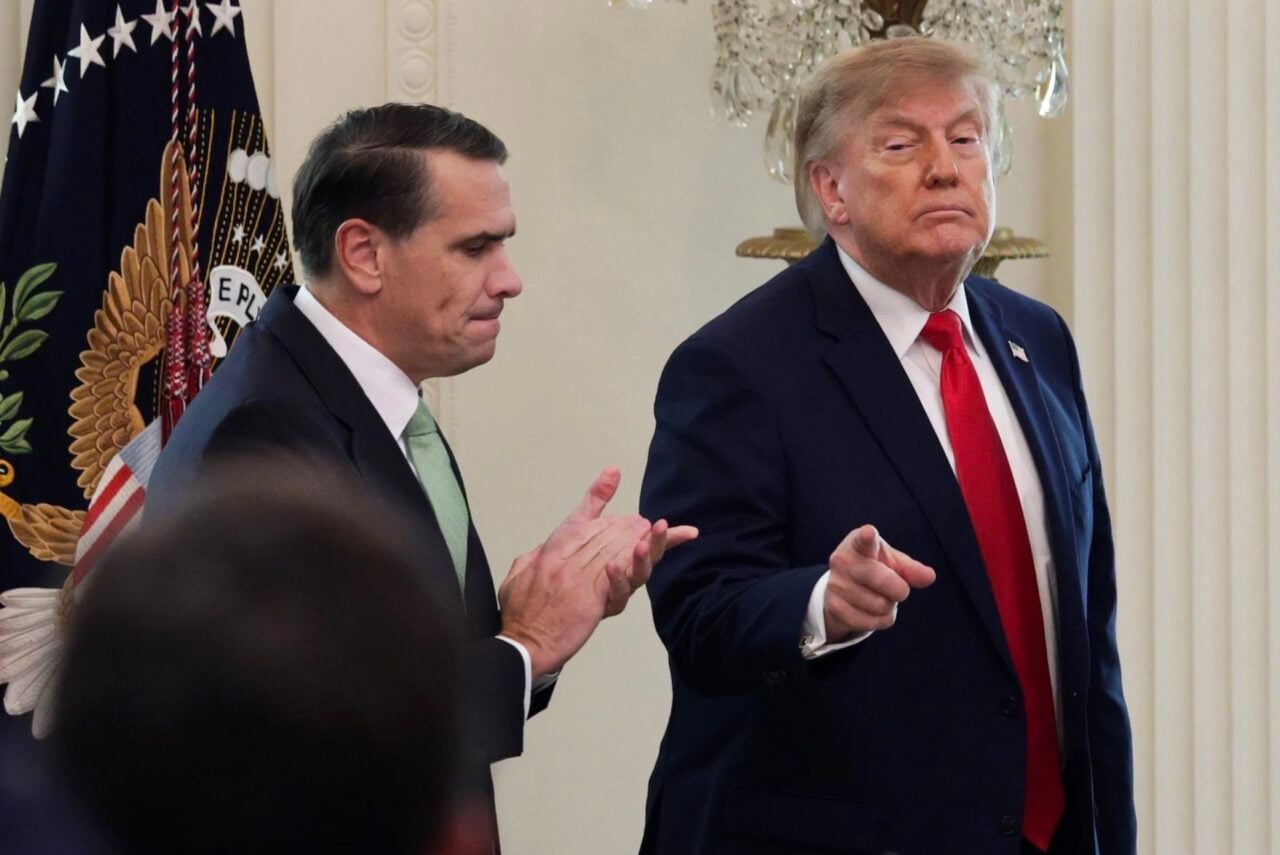
“If we want America to lead the way, we have to reimagine our regulatory framework,” NHTSA administrator Jonathan Morrison said in a press release. “That’s why under Secretary Sean Duffy’s AV Framework, NHTSA is tearing down pointless barriers to innovative designs while strengthening the fundamental safety requirements that matter and holding AV developers accountable for safe performance.”
Under the current rules, all cars, no matter how autonomous they are designed to be, require hand or foot-operated manual brake controls. Autonomous vehicle makers can apply for an exemption from the restrictions, but each approved exemption would allow them to sell no more than 2,500 vehicles per year.
With the newly proposed rule, all autonomous vehicles would still have to meet the same stopping distance performance criteria as other vehicles, but those meant to be fully self-driving wouldn’t have to include a manual brake and would have to ensure that criteria via alternative testing procedures instead.
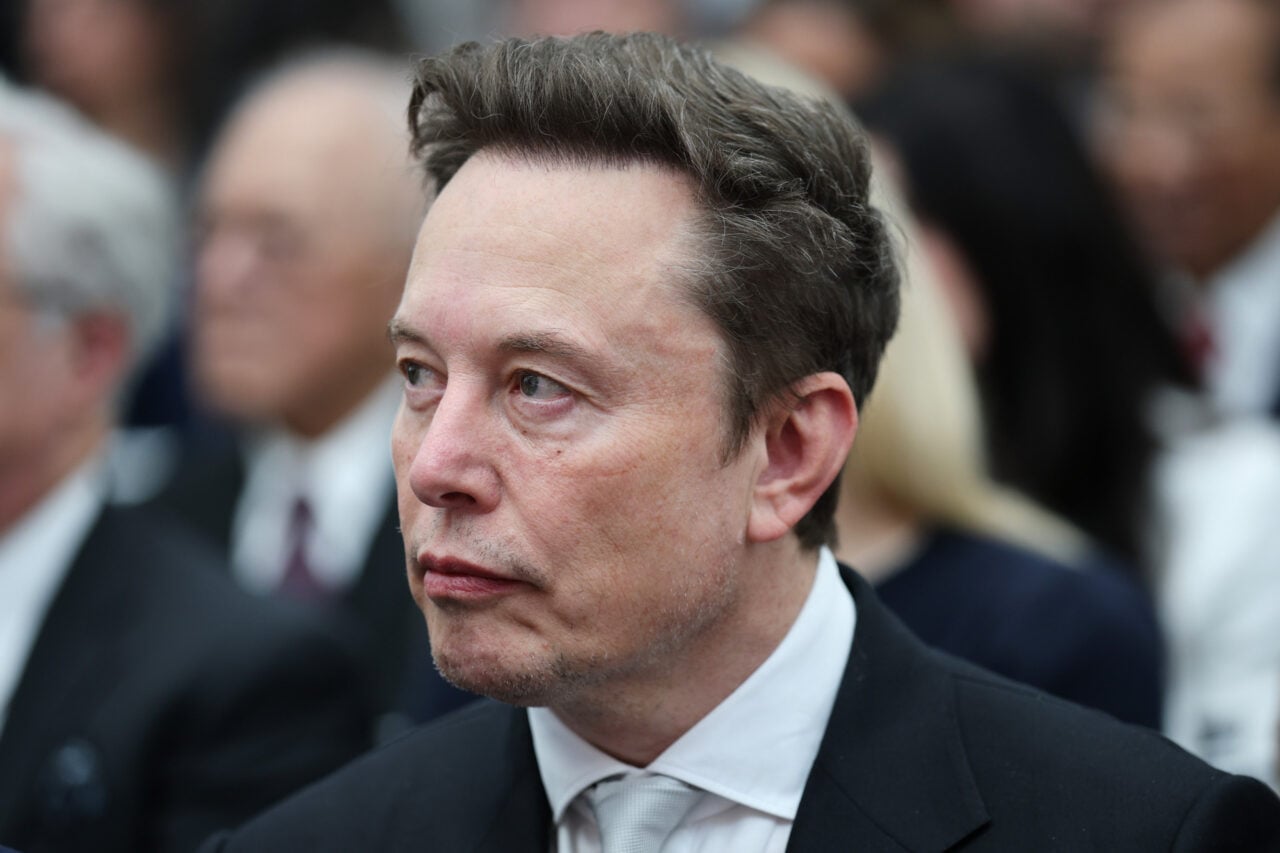
Needless to say, autonomous vehicle makers stand to gain the most from these changes. Chief among them is Elon Musk’s Tesla.
Tesla’s current robotaxi offerings all have steering wheels and pedals. Even though the cars are meant to be driverless, the wheels and pedals are there in case of any emergency that might require a human to take the wheel. Musk recently announced that an alternative, fully self-driving two-seater Cybercab with no steering wheels or pedals had finally entered production after years of teasing. Even after unveiling the model to the public, though, Tesla told the Wall Street Journal that it had yet to apply for an exemption.
Under the current rules, Tesla would be limited in the speed and number of Cybercabs it can produce and roll out onto the street. But if the NHTSA proposal is approved, then Musk would face no limits or restrictions on the production of the Cybercab, a significant green light for which he has spent much of the past year lobbying Washington.
But Tesla has a murky track record when it comes to safety. Earlier this month, a Reuters investigation found that Tesla had misrepresented its self-published safety statistics to European regulators in an effort to secure approval for its full self-driving system. Tesla has also been facing increased litigation and regulatory scrutiny in the United States, with critics saying that the company’s full self-driving claims are misleading marketing tactics.
Amazon’s robotaxi company Zoox will also likely benefit from the rule change. Unlike Tesla, the company sought an exemption from the Department of Transportation to operate vehicles without steering wheels or pedals. If approved for the exemption under the current rules, Zoox would have been limited in the robotaxis it could deploy on the streets. Now, if the DOT completely changes the rules, there would be fewer regulatory hurdles on the way to scaling production of the car, the updated version of which was unveiled just yesterday.
The public will now get 30 days to comment on the NHTSA proposal. After that window passes, it will be up to the Department of Transportation to approve the changes.