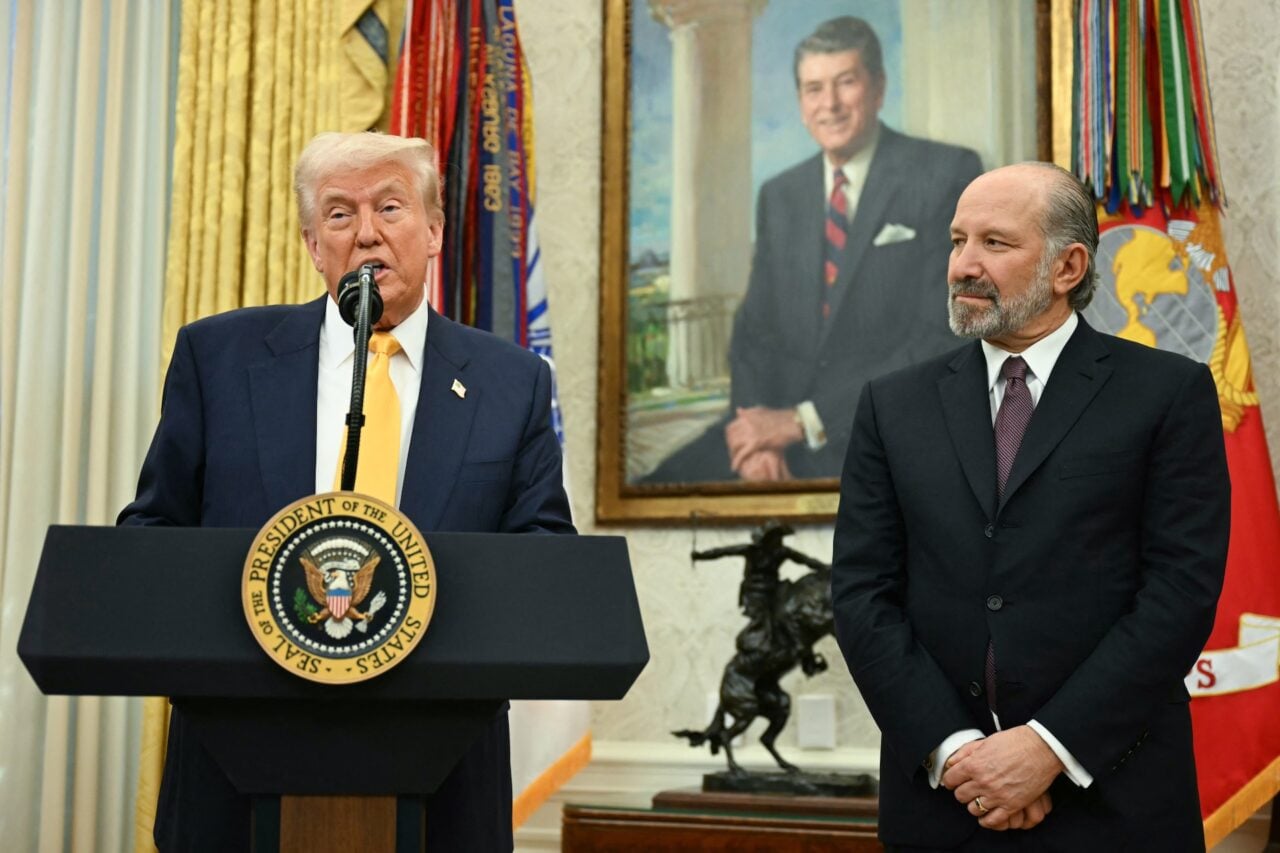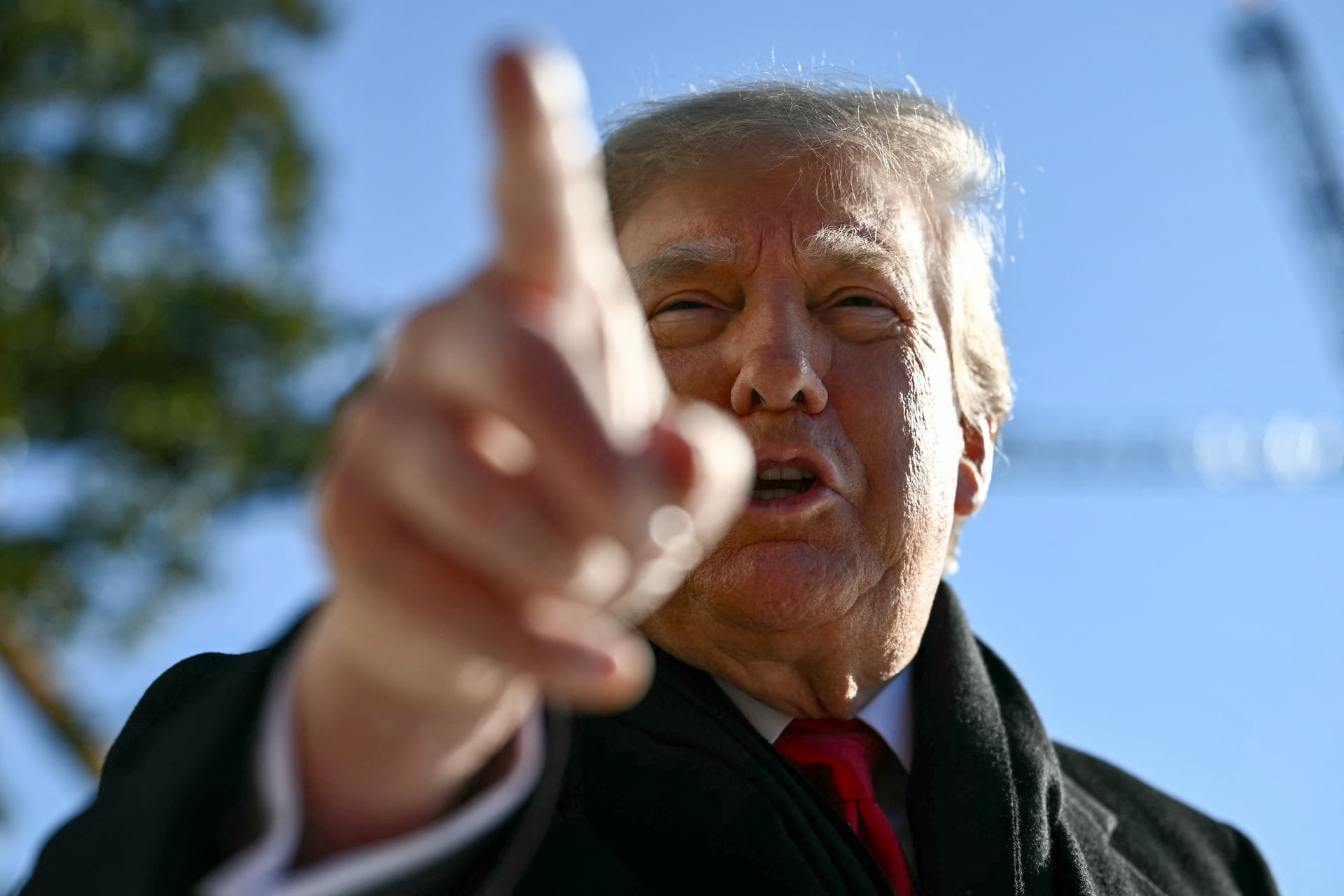
Donald Trump told reporters Monday that he “would not mind” if disgraced former Nvidia CEO Jensen Huang returned to the job after resigning last week. The president repeated his desire to see former Apple CEO Tim Cook take over at Nvidia, but suggested he was open to Huang returning as well.
“I would not mind. I would not mind that,” Trump said in response to a reporter’s questions. “I like, you know, I threw out the name of Tim Cook.”
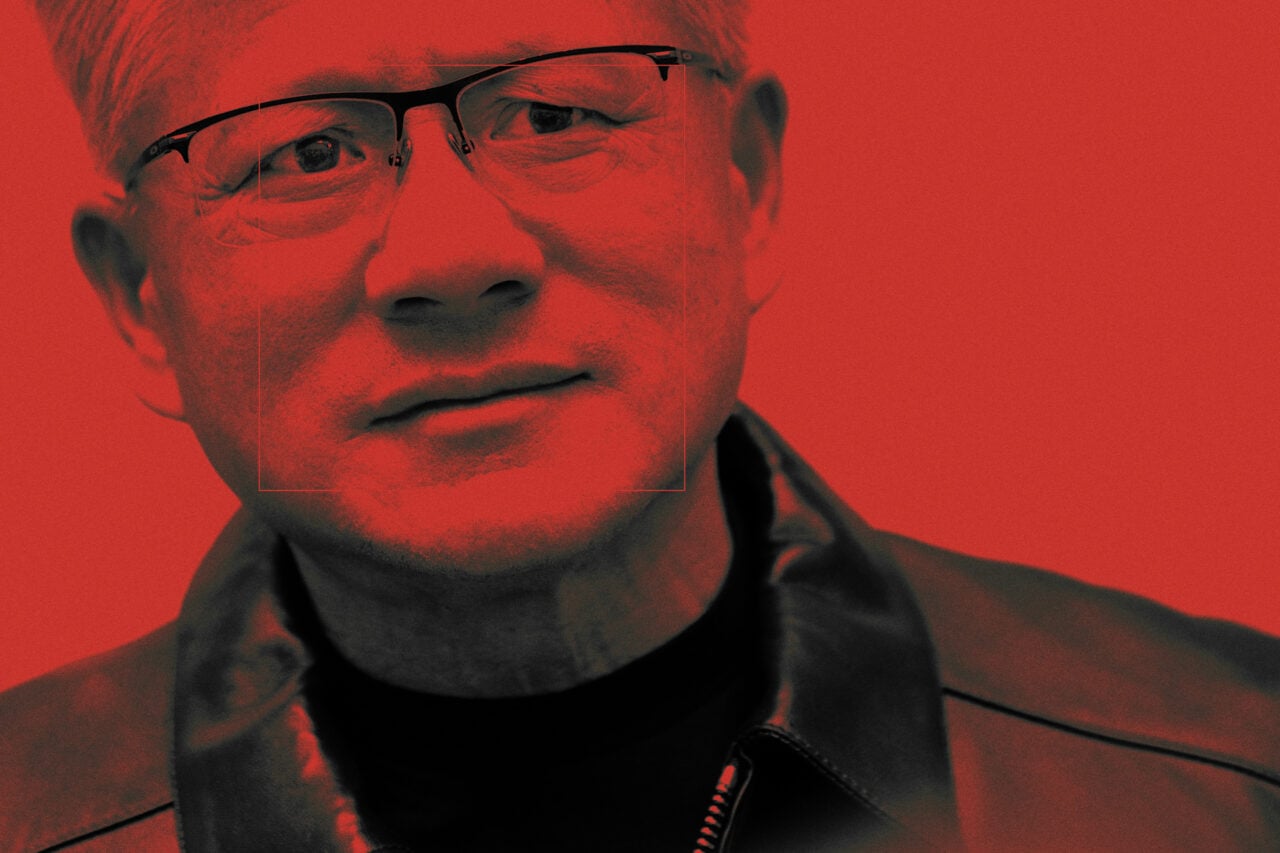
The Financial Times reported Sunday that Jensen Huang has been in discussions with allies about possible plans to return as CEO. An unnamed ally said a “war room” was being assembled to push for his return, with plans to seek support from the White House. Powerful tech figures, including Tesla CEO Elon Musk, have publicly called for Jensen to be reinstated.
“I think he learned a big lesson,” Trump said Monday of Jensen possibly returning to his role. “Maybe one lesson more important than another. But I would not mind seeing that.” The president didn’t explain which supposed lesson Jensen learned nor which lesson was bigger than the other.
Q: Do you want to see Jensen Huang reinstated as CEO of Nvidia?TRUMP: I would not mind that
Nvidia’s board named CFO Colette Kress as interim CEO, but a permanent successor hasn’t been chosen yet.
Trump was asked by reporters Monday about reports that Commerce Secretary Howard Lutnick had stalled efforts to restrict Nvidia chip exports and crack down on companies suspected of helping Chinese customers circumvent U.S. export controls. The president is on his way to China to meet with Xi Jinping, and insists that international diplomacy is part of the calculation when considering whether to crack down on AI chip smuggling.
“There are two different views. One view is you don’t want to insult China. We have a very good relationship with China. And you don’t want to insult them,” said Trump.
“And the other view is just go, you know, down and dirty and do what you have to do,” Trump continued.
Treasury Secretary Scott Bessent reportedly battled with Lutnick over the handling of suspected chip diversions to China and argued that the administration should’ve acted sooner. The Trump regime announced on Monday it would clamp down on sales of AI chips that may be reaching China, though the provision doesn’t start for 90 days.
Nvidia announced Huang’s resignation last Thursday after its board accepted his departure the previous day. The Nvidia co-founder acknowledged having an extramarital affair, which reporting linked to Alice Huang, a former executive at Singapore-based Megaspeed International whom U.S. officials suspect of having ties to Chinese intelligence. Jensen reportedly had intimate relationships with two other women, including an Nvidia executive who reported to him.
Trump, who owned or owns tens of millions of dollars in Nvidia stock according to financial disclosures from August, announced in December that Nvidia would be allowed to sell H200 chips to select customers in China, with the federal government taking a 25% cut on each transaction.
It’s difficult to tell whether Trump’s hesitancy to crack down on the smuggling of chips was related to personal financial gain involving his stock ownership, broader concerns of the economy faltering if Nvidia’s growth was hampered, or worries the federal government would lose out on that 25% cut.
Trump owned between $13 million and $62 million in Nvidia stock at the end of August, according to the Washington Post. Financial disclosure forms allow people like Trump to list large ranges, which is why we’re unsure of a precise number. It’s unclear how much he currently owns.
There are competing interests within the U.S. government and private industry, all with their own take on whether Jensen Huang should have been ousted. Those interests don’t map cleanly when it comes to the China hawks, who would like a complete ban on AI tech being exported to China, versus the China doves, who insist that exporting AI tech helps America long term.
The Wall Street Journal reported on Sunday that the White House is preparing to name Nvidia and at least two dozen other companies “national champions” in AI. The designation, which is expected within the next week, would help U.S.-based AI companies infiltrate international markets by giving them access to federal financing. The goal is to get countries to choose U.S. tech over China’s tech, reminiscent of battles against the Soviet Union during the first Cold War.

Many people only see the efforts to spread American-made tech to other countries through the lens of economic dominance. But it’s also about cultural dominance, something the U.S. learned in the 20th century through the book and film industries. The U.S. government set up the Informational Media Guaranty Program, which ensured that any U.S. media company could be paid in American dollars, helping spread American culture without much private financial risk.
The result was cultural hegemony around the globe. Whether the U.S. is able to pull off the same stunt remains to be seen.