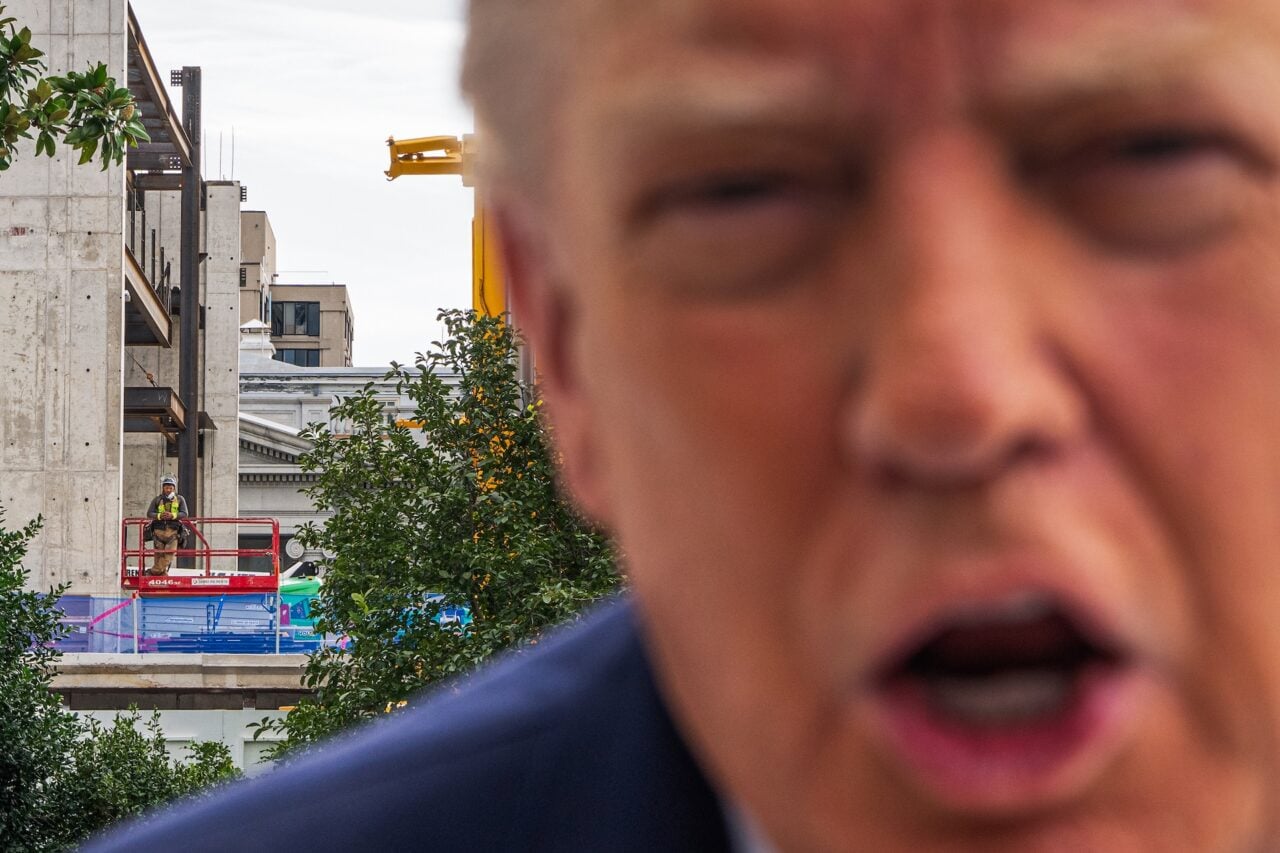
With the Memorandum of Understanding DocuSigned by all parties, the 108-day war prompted by Donald Trump and Israel’s unprovoked attack on the sovereign nation of Iran officially ended on June 15th. But just because the fighting has stopped, the Strait of Hormuz is once again open, and America’s coffers are down $113 billion (plus $300 billion in restitutions to come), it doesn’t mean we’re yet done being humiliated or shocked by this historic blunder. It may take months or years for the full ramifications of this globally destabilizing act of imperialism to be fully felt and analyzed. New tidbits of information will continue to trickle out in the days to come, painting a clearer picture of the minds and decisions behind this costly snafu.
The latest shocking morsel about the war comes to us from a sworn statement by the Pentagon’s AI chief, Cameron Stanley, as reported in The Independent, and the revelation paints a concerning picture about the future of culpability with regard to state-sponsored violence.
In evidence submitted to defend Elon Musk against a lawsuit claiming xAI data centers have been harming poor, Black communities with their emissions, Stanley defended the continued operation of the polluting centers as “a matter of paramount national security.” His statement attempts to justify this claim by divulging that the perennially controversial chatbot—best known for referring to itself as “MechaHitler” and being re-programmed to sycophantically flatter Elon—was used during the recent attacks on Iran to fire more than “2,000 munitions at 2,000 distinct targets within 96 hours.”
While this administration’s unwavering support for the AI industry in spite of an American population that increasingly loathes it is a scandal in and of itself, the US military’s all-in adoption of the nascent tech via Palantir’s Maven Smart System (MSS) and now, apparently, Grok is its own nightmare scenario. As Secretary of War Pete Hegseth stated in January, America “will become an ‘AI-first’ warfighting force across all domains.” Less than half a year later, it seems they made good on that promise, but at tremendous cost.
After 175 people, mostly children, were killed when a Tomahawk missile hit the Shajarah Tayyebeh elementary school in Minab, Iran on the first day of Operation Epic Fury, the U.S. avoided taking responsibility for as long as possible. After a military investigation confirmed that America was indeed the responsible party for the carnage, the blame was foisted onto the “outdated targeting data” Anthropic’s LLM “Claude” used to order the strike.
But while op-ed columnists and military experts correctly warn against allowing hallucinatory AI models to decide which human lives should be snuffed out, the Trump administration isn’t wavering on its initial plan, which they seem to believe will provide results as exculpatory as they are deadly. And whil we don’t (yet) know where Grok sent those 2,000 missiles, but we should take the disclosure of that fact as a dire warning about the consent this regime is attempting to manufacture for a world where the material harm caused by those in power can never be pinned to them.
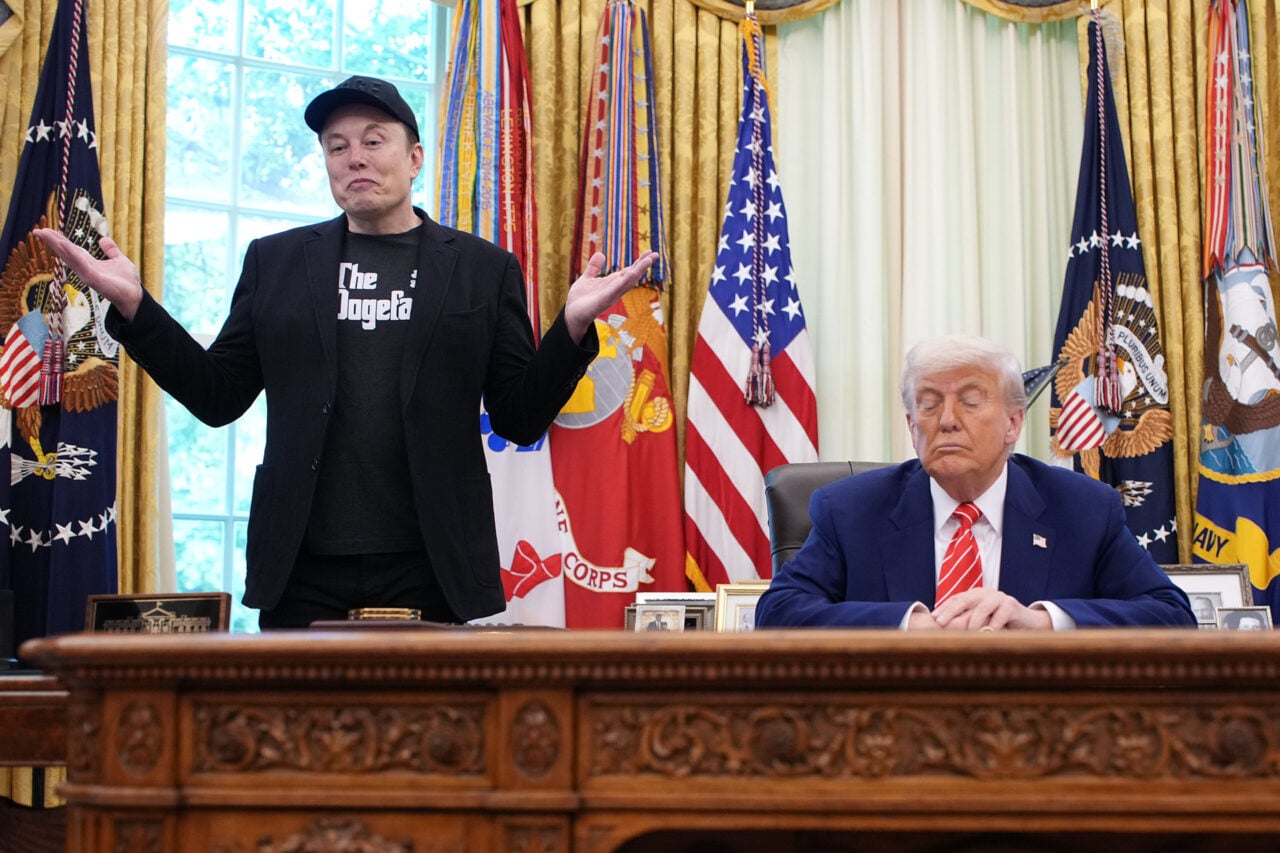
What better an illustration of that creeping sentiment than Musk’s own reaction just last week to an article in The Verge that called him a killer and illustrated the death and suffering inherent in minting the world’s first trillionaire.
“If I were [a killer], the douchebags at Verge would have been dead long ago,” Musk posted on X in response.
It’s probably safe to assume a known keyboard warrior like Musk, known to backpedal the second it seems like a conflict might actually be taken offline, could never look someone in the eye and personally end their life. But in the future this man with infinite money and power is helping build—where AI could autonomously do the dirty work, leaving the hands and conscience clean of the human who lets it work—does that “killer” distinction even matter?