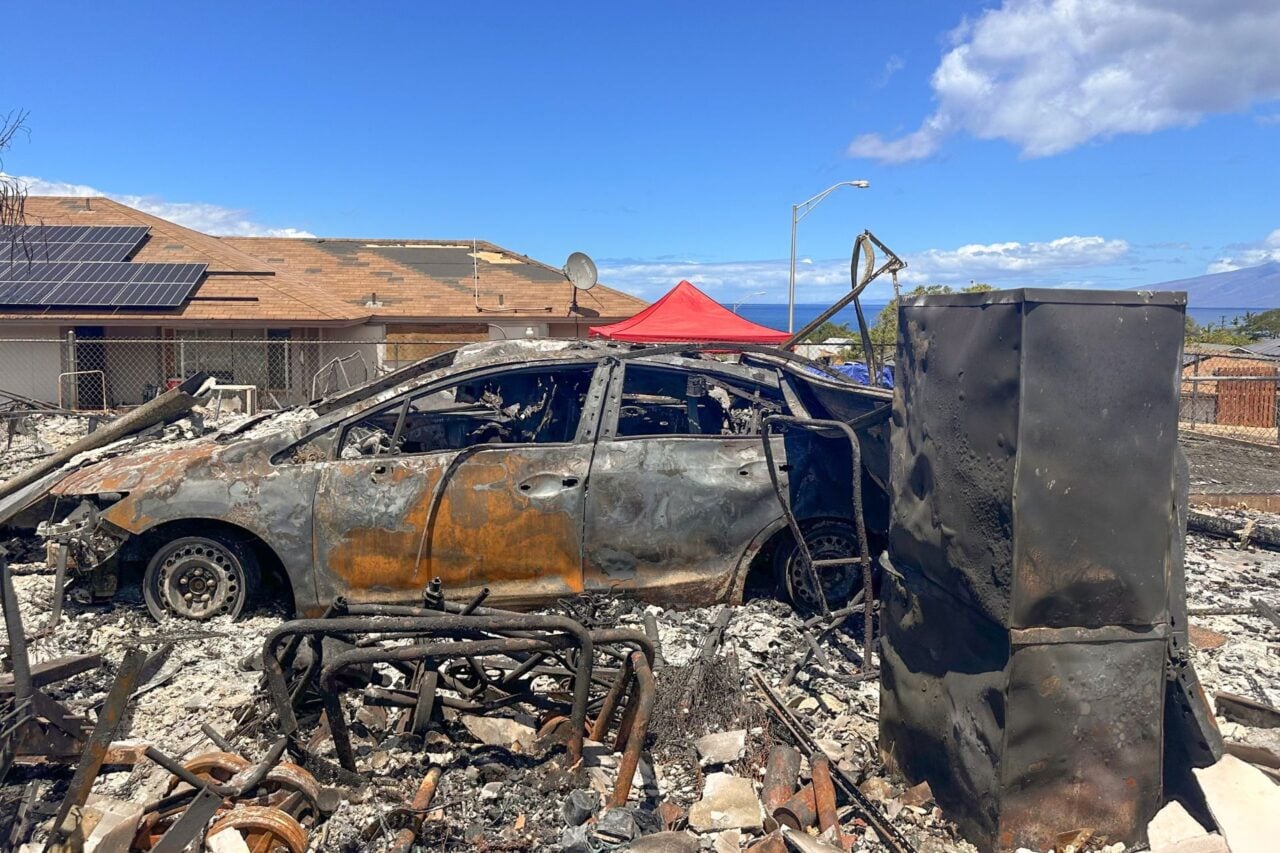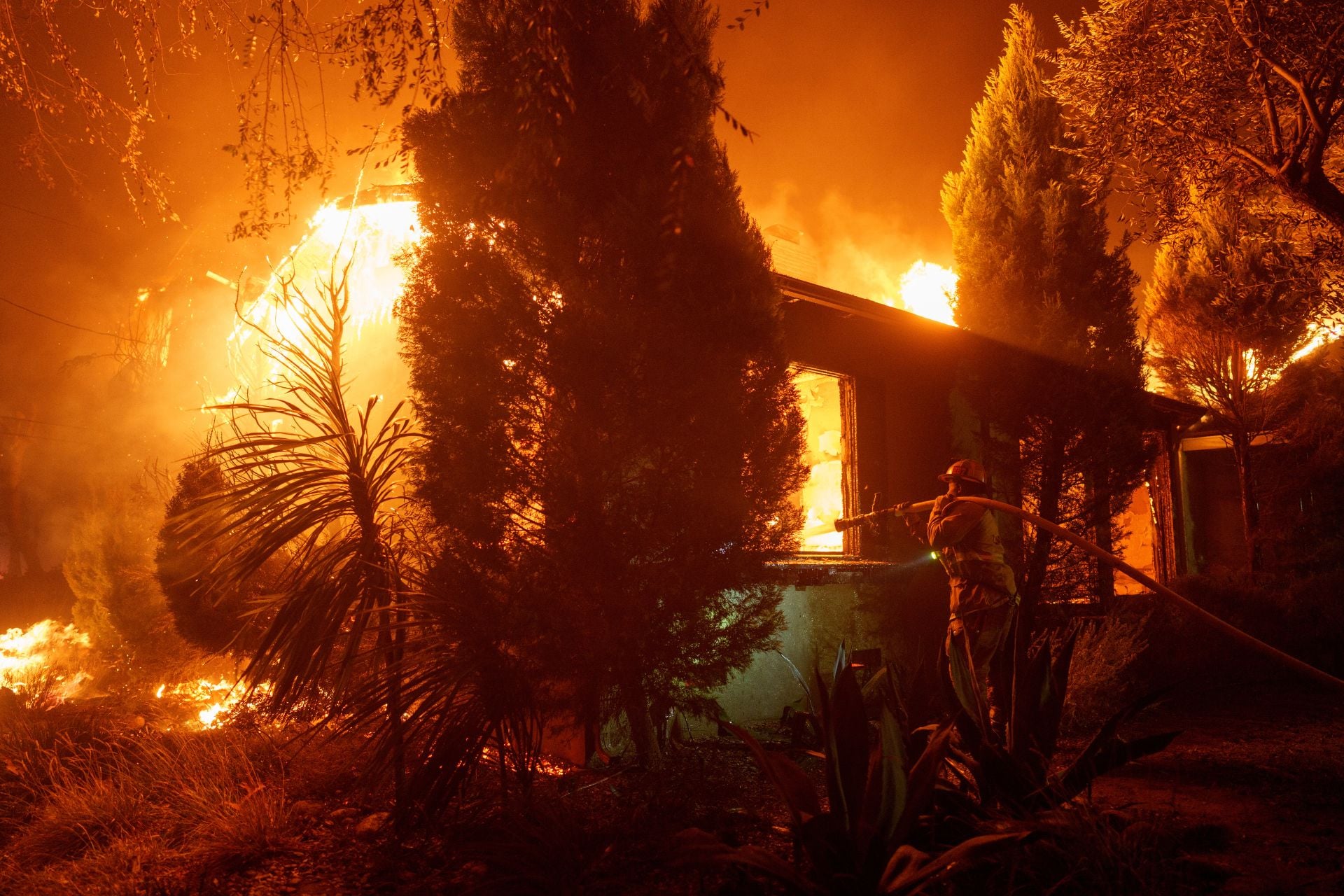
As a series of raging wildfires erupted across Los Angeles in January 2025, destroying thousands of homes and killing hundreds, gamblers were eager to cash in. By mid-month, Polymarket bets on the spread, duration, and political fallout of the fires totaled more than $1.2 million. Now, betting on a wildfire’s outcome isn’t just limited to general prediction markets—there’s a dedicated platform for it.
Wyldfyre, which bills itself as the world’s first standalone prediction market for California wildfires, launched on Monday, according to Prediction News. The platform has arrived at the start of what’s likely to be a hyperactive fire season in the West, fueled by a historic snow drought and above-average temperatures. Setting aside the fact that placing bets on destructive and often deadly catastrophes is morally fraught at best, Wyldfyre’s website claims it will “harness the wisdom of crowds to surface what models and satellites might miss” and turn “collective intelligence into better wildfire forecasting—one trade at a time.”
The site reveals no further information about how Wyldfyre’s data will purportedly improve fire forecasting, a practice overseen by specially trained fire weather meteorologists, wildland fire analysts, and fire intelligence personnel. A spokesperson for the U.S. Forest Service told High Country News that the Forest Service is not interested in prediction market data and does not rely on “any system that treats wildfire as an event for speculation.” California’s state firefighting agency told the publication it has a similar policy.
Risky bets
Wagering on wildfires feels like a grim sign of the times, born from the collision of the climate crisis and the digital economy. But the fact is, people have been betting on the weather since the late 1800s, Rutgers University history professor Jamie L. Pietruska explained in an essay for Aeon Magazine. The basic principle also underlies insurance claim adjustment: using available information to estimate the likely consequences of uncertain future events.
With that said, there’s good reason to be concerned about the rising popularity of wildfire betting. In addition to encouraging callous attitudes toward natural disasters and their victims, these niche prediction markets could incentivize dangerous behavior.
Historically, weather betting has focused on more benign events that can’t be influenced by human intervention, such as rainfall. Wildfires are different—people can easily spark one. While the majority of human-caused wildfires are accidental, wildfire prediction markets could encourage deliberate acts of arson.
“Systems that tie financial gain to wildfire outcomes risk encouraging misuse, including arson, and are not compatible with our mission,” a Forest Service spokesperson told High Country News.
All it takes is one bad actor to ignite a fire that devastates communities and ecosystems. And if people can wager on disasters that cause millions of dollars in damages, injuries, and deaths, where do we draw the line? In March, lawmakers from Utah and California introduced federal legislation that would ban event contracts tied to “terrorism, assassination, war, gaming, or illegal activity.” But until clearer rules are in place, prediction markets will remain the Wild West.