As languages acquire new speakers, spread to new geographic areas, and mingle with other languages, they change. But is that change happening as quickly as it once did?
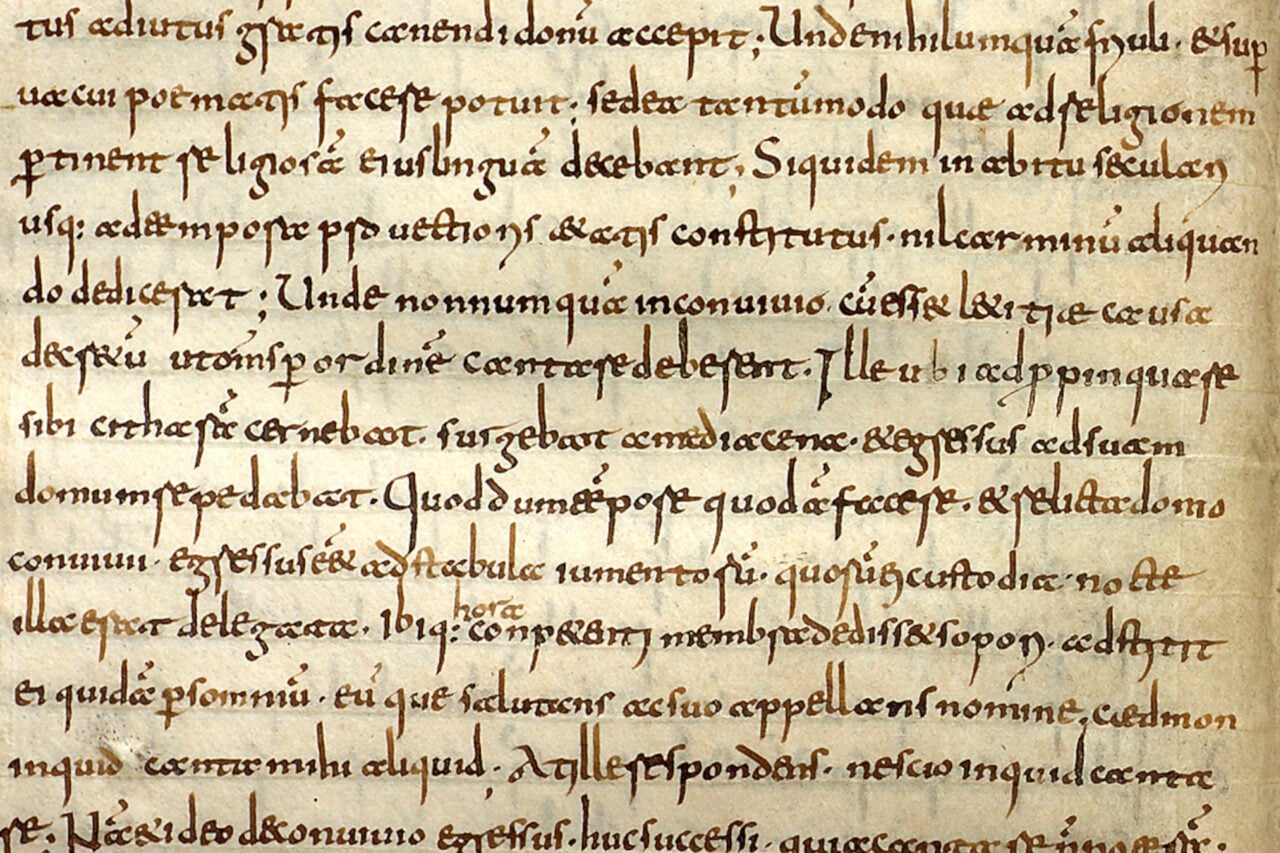
Top image: A 15th century edition of Recuyell of the Histories of Troy from Brandeis University’s Special Collections
Linguist John McWhorter joined us today to answer questions about the kinds of changes we might expect to see in languages in the future, as well as some of the changes we’d already seen. Several questions focused on a single issue: What might a future version of English look? Perhaps not quite so different from the version we see today — and we owe that to the widespread growth of the written word.
Now that we have the internet, are we ever likely to see major languages change much over time aside from such changes associated with intermixing existing languages?
Change is retarded by print, indeed. The spoken language still champs at the bit — but much more slowly than before. Which means that, indeed, the “sexiest” change on view today is mixture and new languages that can come from that. English in 500 years will still be English, to an extent that it was not in 1500 compared to 1000.
Since languages continually evolve, how long might it take for today’s “English” to appear as largely undecipherable as Old English does to most readers today. In other words, Future English may be, will probably be, quite different from today’s.
But not as different — print holds change back by always holding a “model” over our heads of what is “correct.” That model didn’t exist when Old and Early Middle English were spoken since most people were semiliterate and didn’t go to school and there was no media to speak of.
You can read the whole Q&A right here.
https://gizmodo.com/what-languages-will-we-speak-in-the-future-ask-your-qu-1682766420