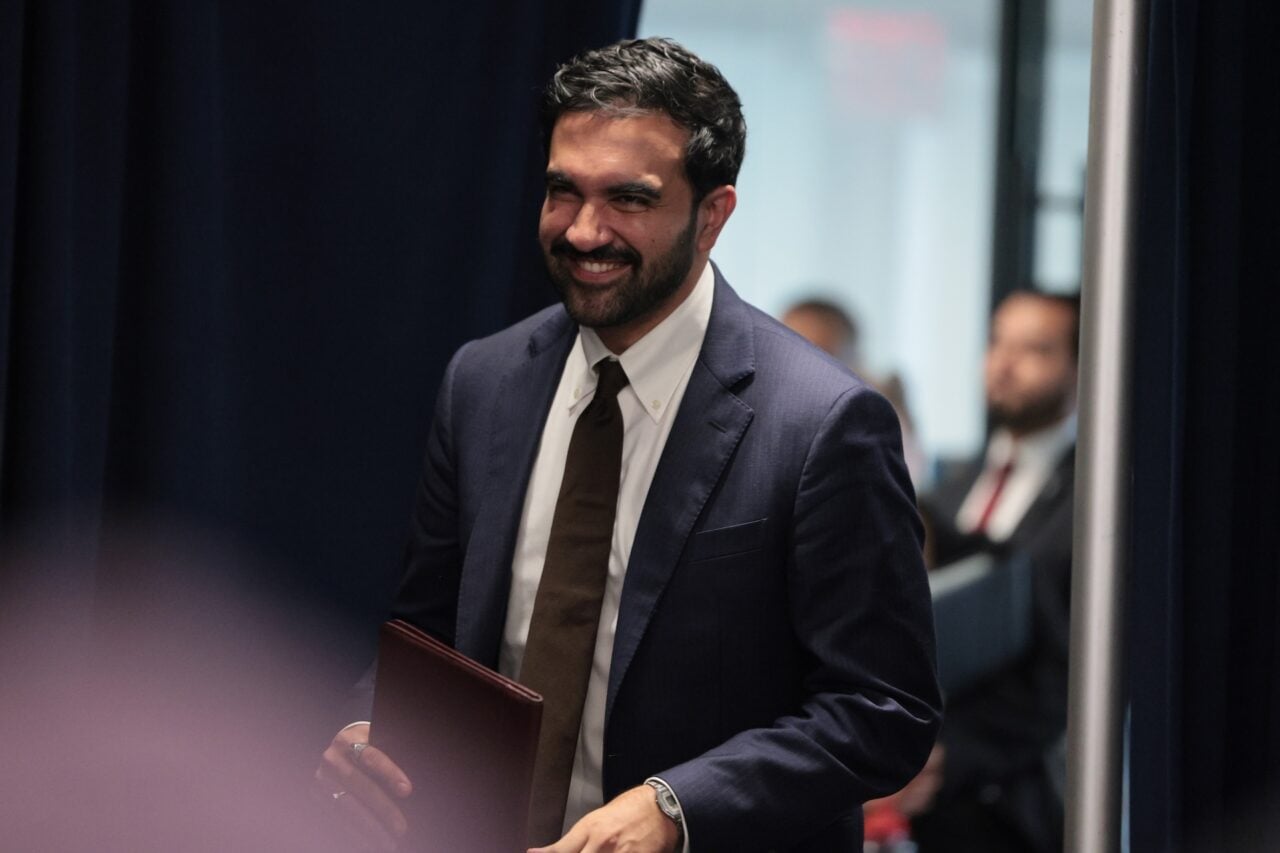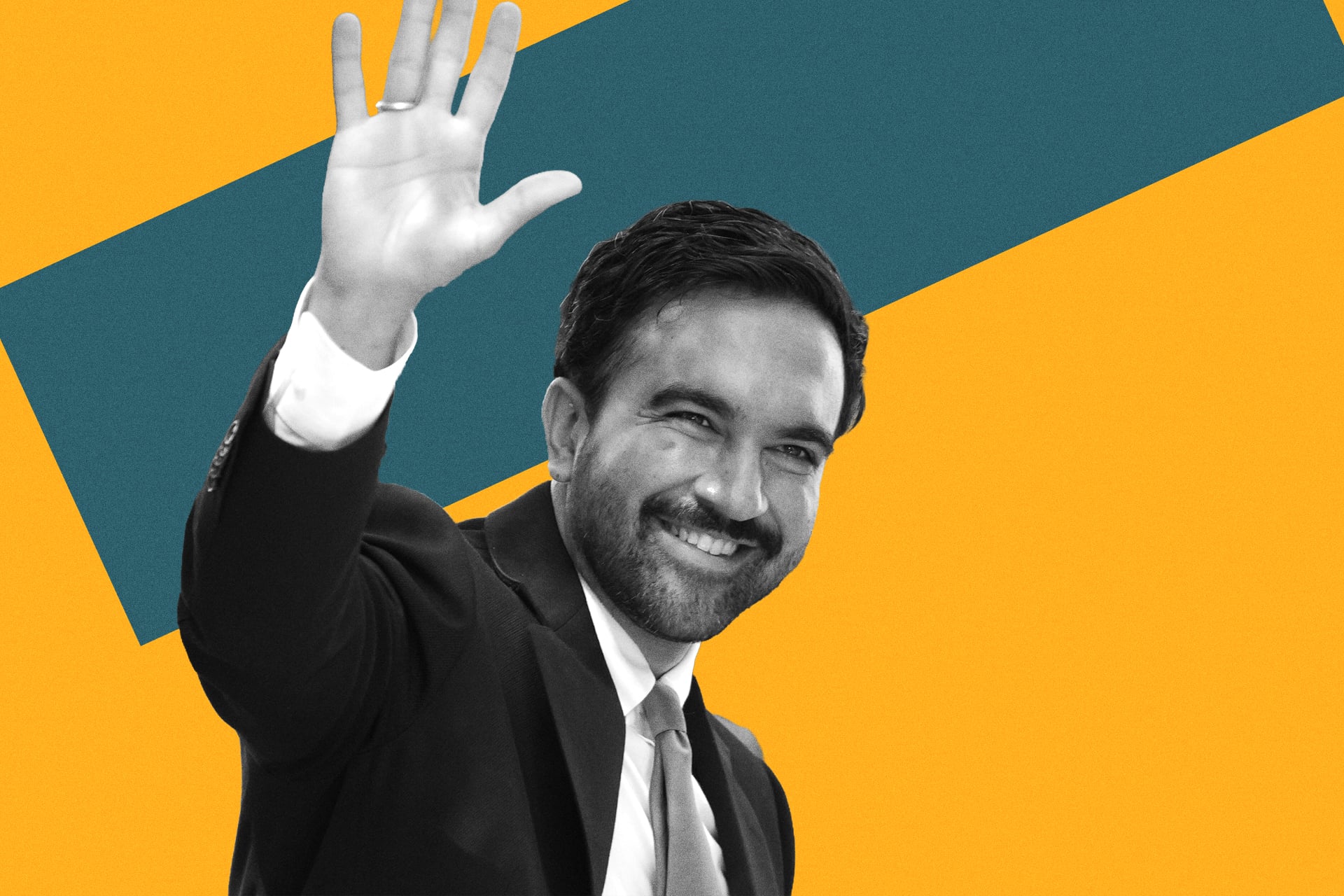
New York City Mayor Zohran Mamdani said on Monday night that he will call on New York Governor Kathy Hochul to sign a more expansive data center moratorium bill into law.
Speaking on stage at the AI Now Institute and More Perfect Union’s “People’s AI Assembly,” actress and advocate Ilana Glazer asked the New York City mayor if he would push Gov. Hochul to sign the “Responsible Data Center Development Act,” which passed New York state legislation earlier this year; Mamdani responded with a simple and resolute “yes.”
Shortly after the bill in question passed, Hochul established a similar moratorium on data center projects by executive order, making New York the first state to impose a data center moratorium as the anti-data center movement gains steam nationwide. The resolution Mamdani said he is backing would expand and codify the existing moratorium that Gov. Hochul issued, which pauses new data center projects that consume more than 50 megawatts of power until the Department of Public Service completes a review of the environmental impact of mega data center projects. The proposed moratorium would lower the threshold by pausing projects consuming more than 20 megawatts, while requiring data centers using more than 5 megawatts to meet renewable energy and labor standards. Supporters of the bill also worry that Hochul’s executive order could be “modified or rescinded by future administrations.”
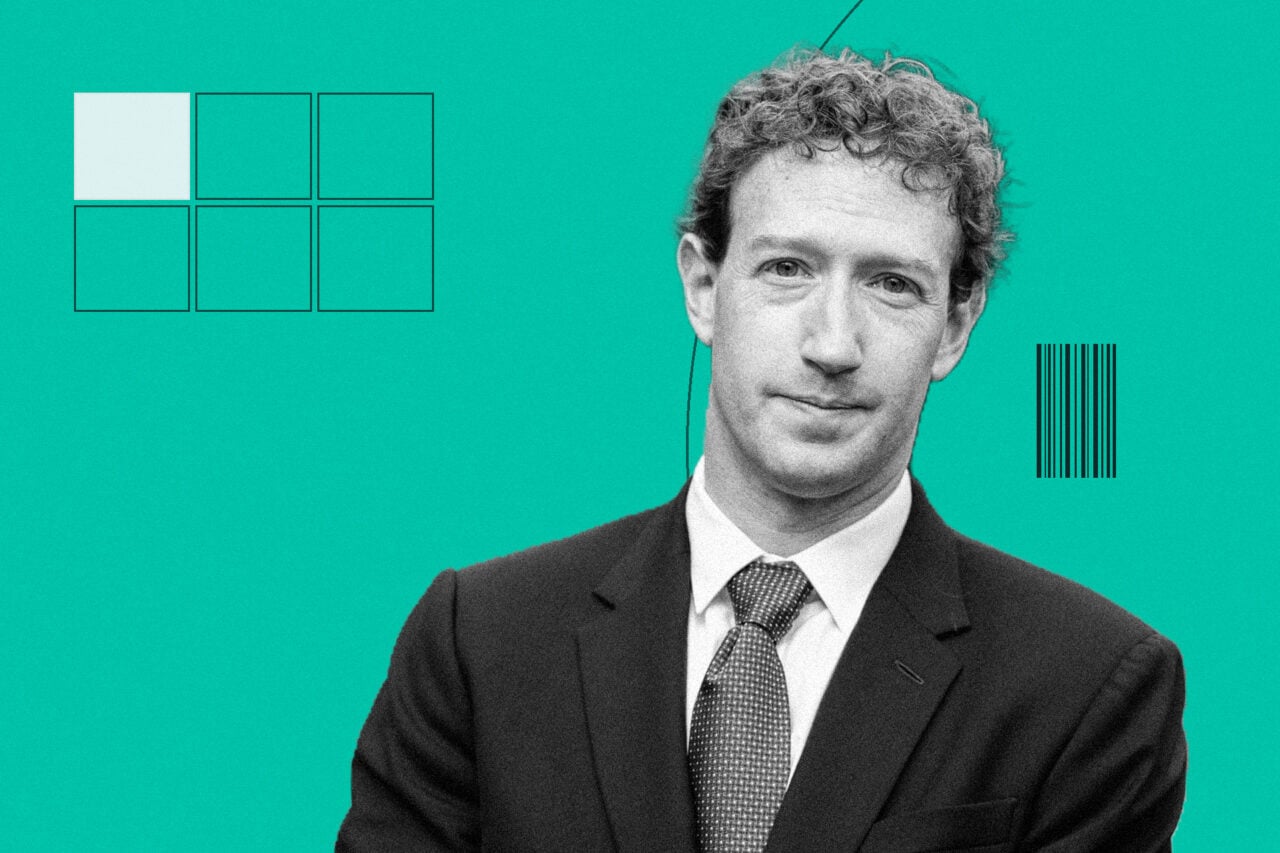
Numerous surveys find that anti-AI and specifically anti-data-center sentiments have grown nationwide over the past year. This collective anxiety over AI development was palpable on Monday night at the “People’s AI Assembly,” where the entry line at New York City’s Webster Hall wrapped comfortably around the block. Attendees included college students holding “no data center” signs in hand, concerned parents of school-age children facing a future seemingly inundated with AI, and even some tech workers employed by the very companies selling the technology. Circling the line were anti-AI advocates passing out flyers to promote upcoming protests. When the lights eventually dimmed, the event started with a video compilation starring big tech CEOs, which was immediately met with a chorus of boos. Elon Musk received the strongest round of jeers.
Although anti-AI sentiment enjoys bipartisan support among voters, that dynamic doesn’t exactly translate to the federal government. Under the Trump administration, Washington has taken an approach that is arguably more friendly to AI companies and more averse to stricter guardrails, which it has deemed a hindrance to innovation.
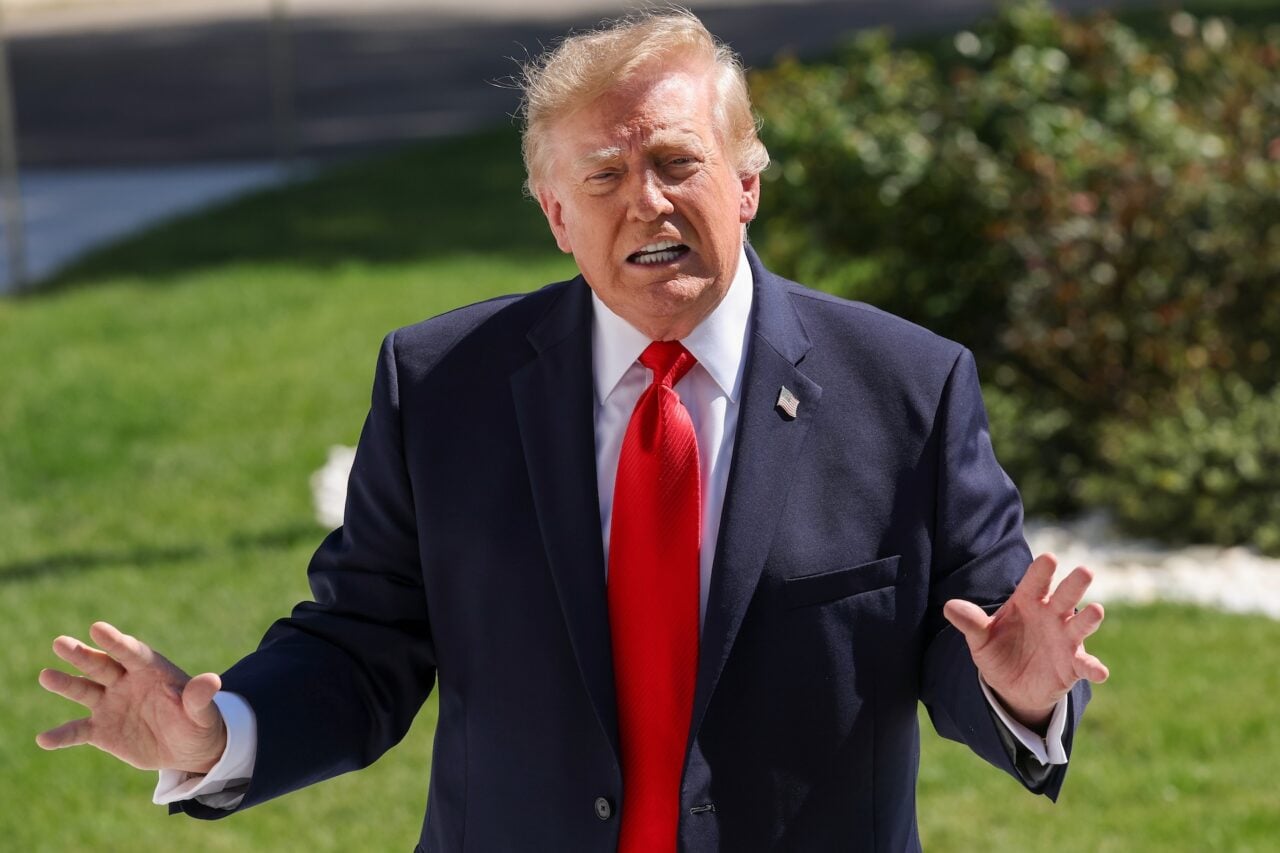
“The only control or ‘guardrails’ that AI needs is a STRONG AND SMART (High IQ!) PRESIDENT, and the U.S.A. has that, in spades!” President Trump himself posted on Truth Social last month. “There is a SICK conspiracy going on against AI and Data Centers, and the only one that is happy about it is China.”
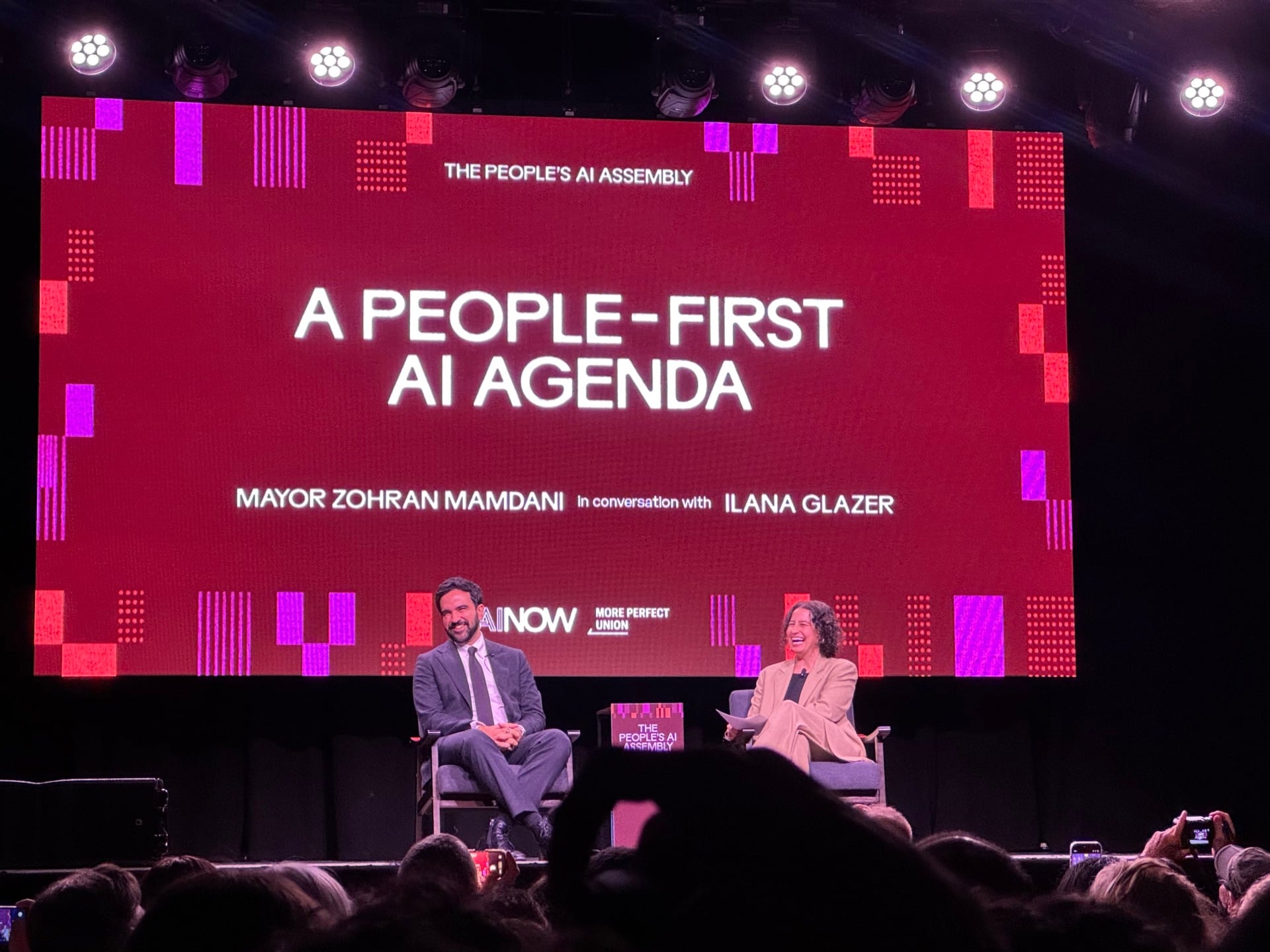
Those who agree with Trump on the issue say that any slowdown in AI development in the U.S., such as through moratoriums, would cause the American AI industry to lose its competitive edge to its rapidly developing Chinese rivals. Mamdani said city-wide AI policy has been guided by the question of “what we can do in the face of a complete abdication of federal law.” He also pushed back against the narrative that competition with China takes priority over all other issues.
“At a national level, when the conversation is about artificial intelligence, it’s so often framed in this language of an arms race with China, and any of the humanistic concern gets pushed aside,” Mamdani said. “I think what we have to do is ensure we are looking at what comes after this federal administration, but there has to also be a very different kind of framework in how we think about AI, talk about AI, and the accountability we are willing to bring forward when it comes to AI.”
Mamdani himself has championed a couple of landmark AI initiatives to combat some of the harmful effects of AI deployment, including a measure against house-phishing, aka when realtors fail to disclose AI use in listings, and a one-year blanket ban on generative AI in schools. The ban, announced last month, temporarily prohibits AI chatbot use in schools for students through eighth grade, while high schoolers’ use will be limited to five pilot programs and critical thinking modules.
On Monday night, Mamdani said that his team was inspired by a similar Norwegian ban when drafting the New York City version. Both bans aim to ease older students into AI use under teacher supervision. The pilot programs were shown to be particularly useful to students with special needs and those learning English as a second language, Mamdani said, but all students could benefit from AI fluency.
“Because without [fluency], there is a tendency right now to treat AI as almost divine, not as a technology that can be understood, that has a lineage,” Mamdani said. “That, I think, is also a responsibility in the nation’s largest school system.”
The initiatives prove that AI companies can be held accountable by current laws, Mamdani said.
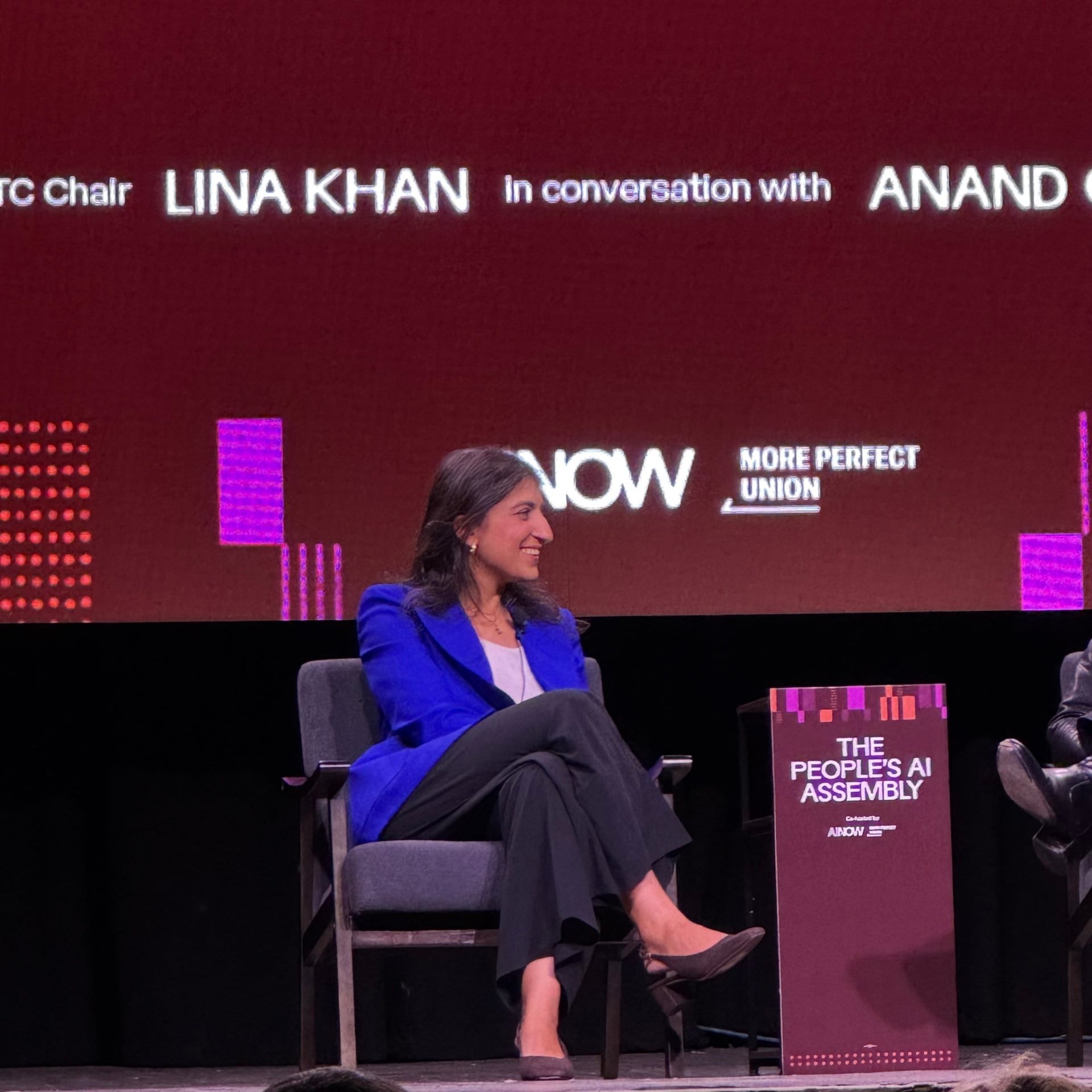
Also speaking at the event was former FTC Commissioner Lina Khan, whom Mamdani has tapped to lead the New York City Economic Development Board. During her tenure at the FTC, Khan kept a tight leash on the tech industry. Since leaving the FTC, she has become an outspoken critic of AI industry calls for antitrust exemptions that would allow companies to coordinate on slowing development and improving model safety.
“You don’t need any type of antitrust exemption to make sure your products are not hacking other governments,” Khan said on Monday night. “They are unleashing on the world defective products, malfunctioning products, and flagging these risks even as they’re about to get enormously wealthy off of these very same products, and that is just a set of facts that, if you applied in every other industry, we would recognize as totally ludicrous.”
Artificial intelligence products do pose future risks to society. Still, Khan argues that the technology has numerous underaddressed harms that are actively impacting people.
Ultimately, Khan said that she views the anti-AI movement as “a fight for self-determination.”
“This is really part of a more longstanding fight where people are increasingly realizing that they’re losing control, they’re losing a sense of autonomy, and so many decisions that are shaping people’s day-to-day lives are not being made in their homes or in their communities,” Khan said.