Owlcat Games has a respectable legacy in RPGs—from the Pathfinder games to its successes in the world of Warhammer 40,000 in Rogue Trader and the upcoming Dark Heresy, the studio has developed a reputation for deep, traditional number-crunching RPGs that don’t compromise player choice in their narratives. It’s a legacy that’s fascinating to compare to titans in the industry like Bioware, a studio that built itself on a similar background, but has evolved its RPGs into grander, more cinematic offerings that lose a bit of that crunchy core.
And yet, Owlcat now finds itself at a similar potential evolutionary point with The Expanse: Osiris Reborn—which could be its Mass Effect moment, shooting the studio into the stars with a beloved franchise and its slickest-looking game yet. But after spending some time with Osiris Reborn‘s beta recently, ahead of its wider rollout today, fans of Owlcat’s prior games fearing those splashy visuals will have come at a cost of depth seem to have nothing to fear.
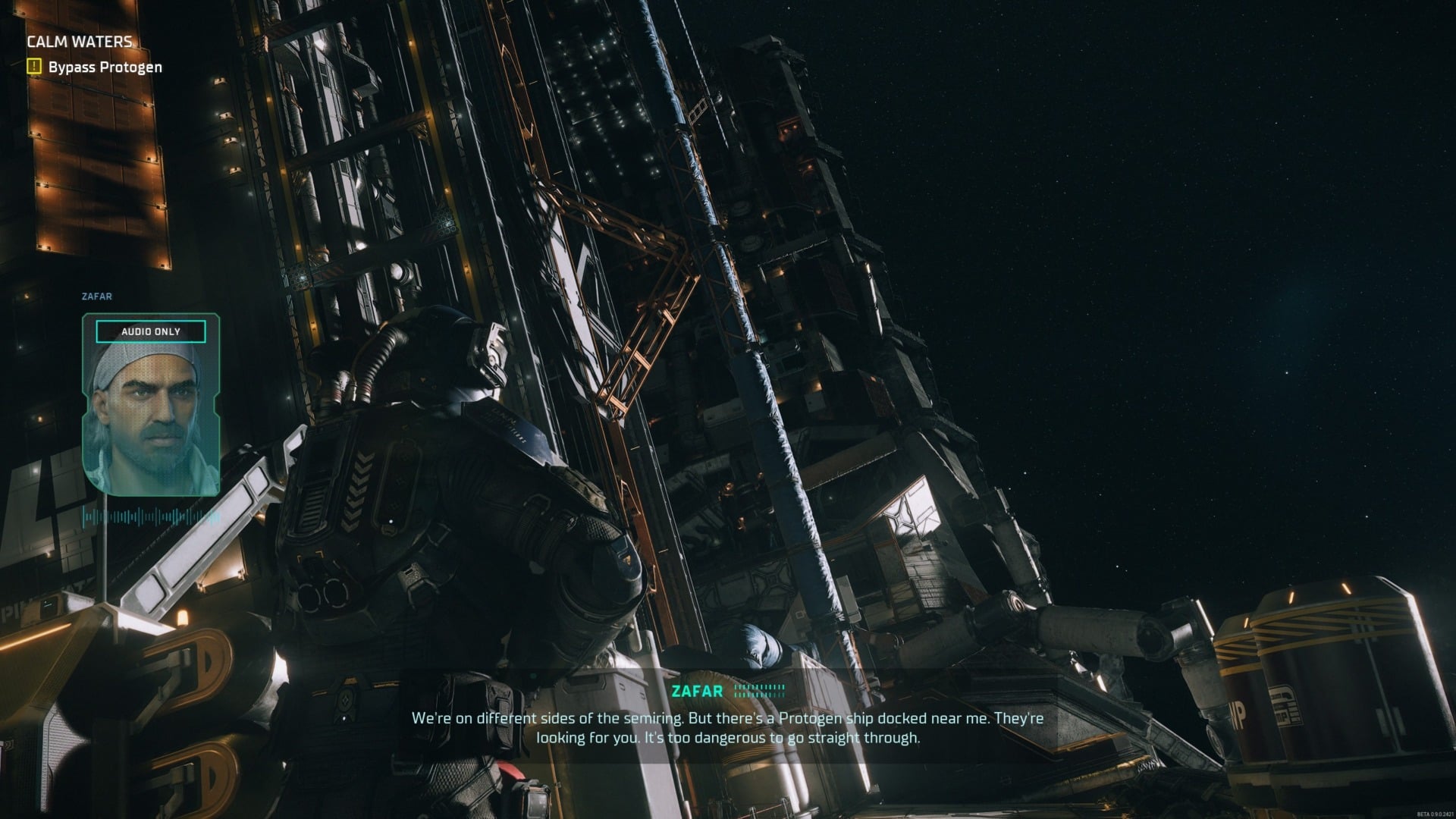
Osiris Reborn takes inspiration from both the Expanse novels penned by Daniel Abraham and Ty Franck under the pen name James S.A. Corey, and the beloved Syfy/Prime Video adaptation, setting itself during the events of the first two books and the earlier seasons of the show. The beta itself is pretty early on in the experience: your player character and their twin sibling J (in the full game, you’ll be able to customize your gender; appearance; background—Earther, Martian, or Belter—and general archetype, which will be reflected in J’s design) are Pinkwater mercenaries who find themself caught up in the protomolecule outbreak on Eros, fleeing from Protogen enforcers when they arrive on a Pinkwater station looking for safe harbor, only for things to go awry, of course.
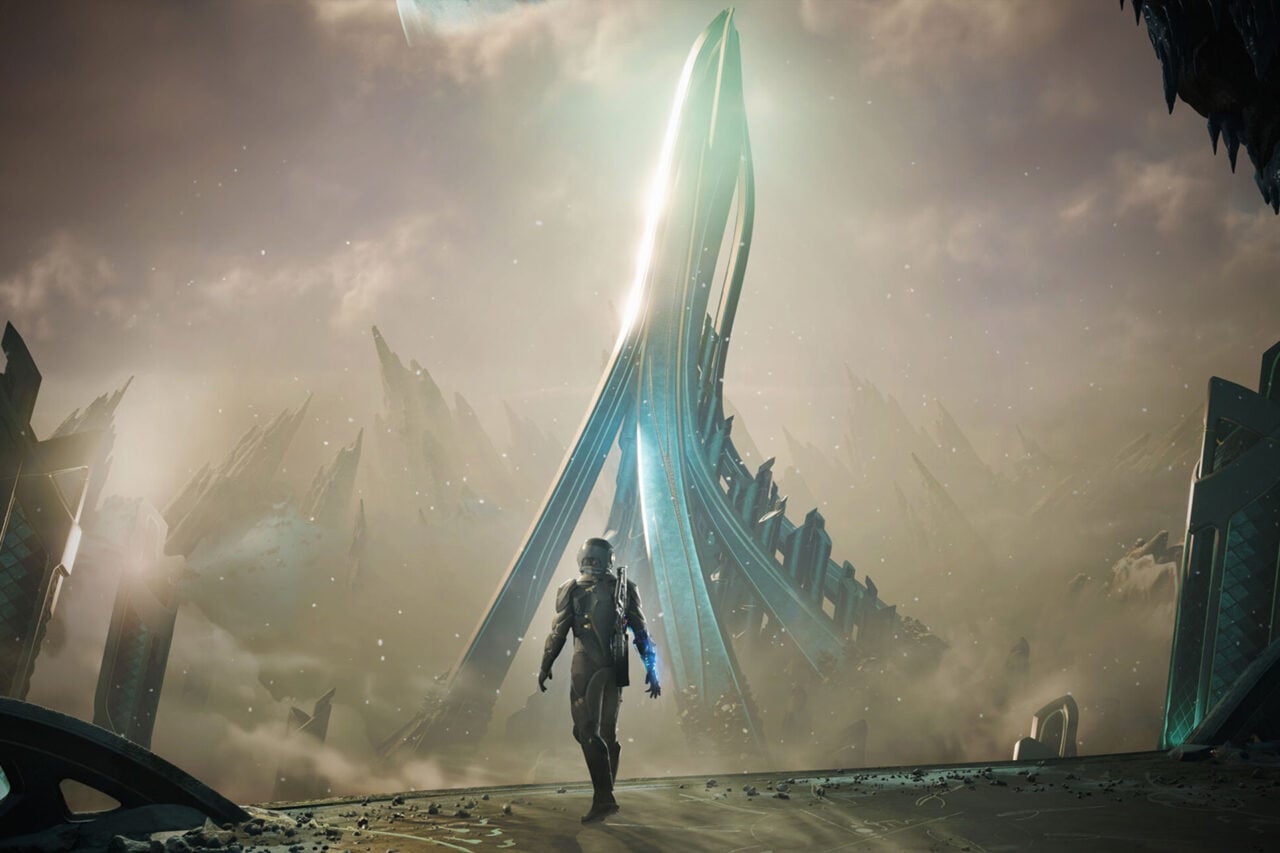
Every moment you’re playing Osiris Reborn, it’s difficult to not get Mass Effect out of your head—even if the developers hadn’t already discussed that series’ influence on Osiris Reborn, it’s clear to see all over it. The game trades Owlcat’s bread and butter of isometric, strategically driven RPG traditions for third-person-shooter-driven action-RPG gameplay, replete with cinematic dialogue cutscenes with branching conversations. The emphasis here is on the cinematic: it looks great, easily Owlcat’s most visually lavish game so far, and strikes a good balance between aesthetic influences inspired by the Expanse TV show while also drawing on elements in the books (one fun one? You get proper tall, lanky Belters, their growth affected by life in space, unlike the way they’re seen in the majority of the show). It’s a shame, then, that Owlcat has been on the record about using generative AI in early conceptual phases for the game—promising the final in-game assets being made by humans—in a first for the studio, because it was clearly an unnecessary own goal with such rich sources of inspiration that are ultimately translated so well here.
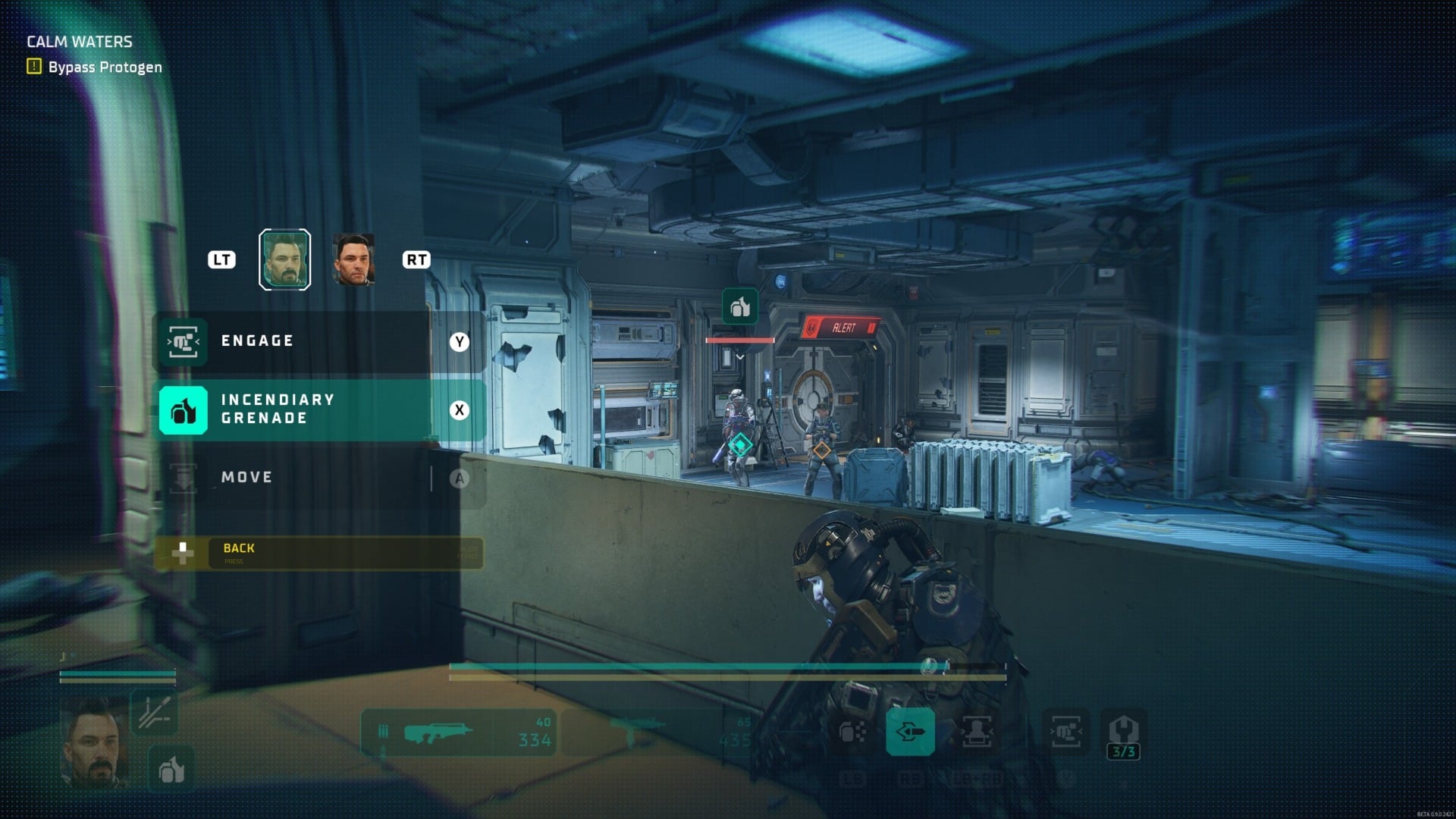
Once you and J make yourself known on the station, things naturally start going a bit awry to allow some action to happen. Again, this is so far, so Mass Effect, as you sprint from cover to cover, popping off shots, using abilities (Osiris Reborn has no class system, but a series of trees you can pour points into as you level, but the beta offers you the choice between preset starting points called “Leader,” a more standard gunplay soldier and “Hacker,” a more ability-driven loadout), and commanding J. Osiris Reborn trades a tactical pause on action for issuing commands for a heavy slo-mo effect, which is fun and slightly pressures you into thinking quick, and it accentuates the gunplay with fun environmental options, like ordering your companions to destroy parts of the environment based on their given skillset.
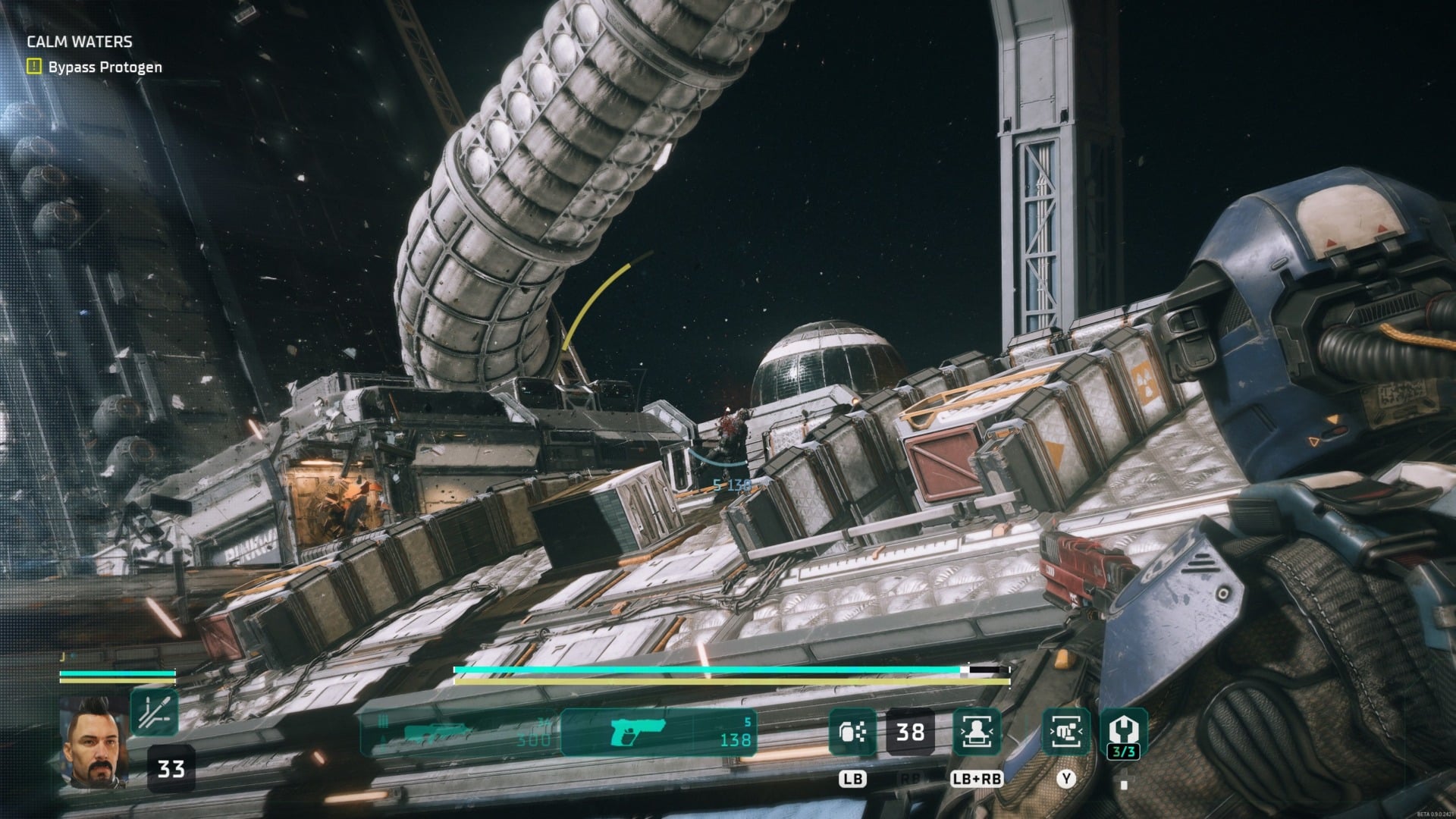
It’s also worth saying how far the visuals go to add to the combat as well, with environments really showing destructive wear-and-tear from your actions. This is an especially fun twist in moments where you fight outside in the vacuum of space, and Osiris Reborn really leans into its sound design—it’s not entirely quiet, but instead sound is heavily muted to invoke claustrophobic feelings—and some fun level navigation choices that genuinely make those moments feel distinct from the usual gameplay, even if it’s mostly for aesthetic flourishes rather than any real tangible differences (at this stage in the game, at least).
As we’ve said, a lot of this still feels very Mass Effect. Where Osiris Reborn begins to distinguish itself—and show a bit more of Owlcat’s usual depth—is its dialogue and skills systems. There’s no Paragon/Renegade morality here—and not only can dialogue branch off down different paths in almost every conversation, as well as a litany of combat-specific skill trees, each character also has a handful of social ability trees to develop that impact dialogue and non-combat exploration. Persuasion, of course, can be used to unlock new dialogue choices, like convincing the station’s trader to tell you the gossip they’ve heard while peddling their wares, or asking the station commander to rally its crew to help defend you when Protogen comes calling. Several more allow you to interact with the environment differently, like engineering and athletics checks that let you unlock pathways you couldn’t otherwise access—one particularly fun interpretation of the standard perception check common in RPGs procs a kind of “detective vision” overlay on success, letting you find items you would’ve otherwise been unable to notice.
This kind of mechanical depth is layered into the equipment you’ll find throughout the game, too. Of course there are plenty of stats on guns and armor (and they can be customized further through the game’s crafting system to have event more perks), but your gear becomes important as it’s also the source of your abilities rather than your skill trees letting you unlock inherent powers, letting you customize your skillset to find a mix of abilities that suit you and your team—and there’s plenty of equipment that can modify certain skills, traits, and other things beyond the normal stat boosts.
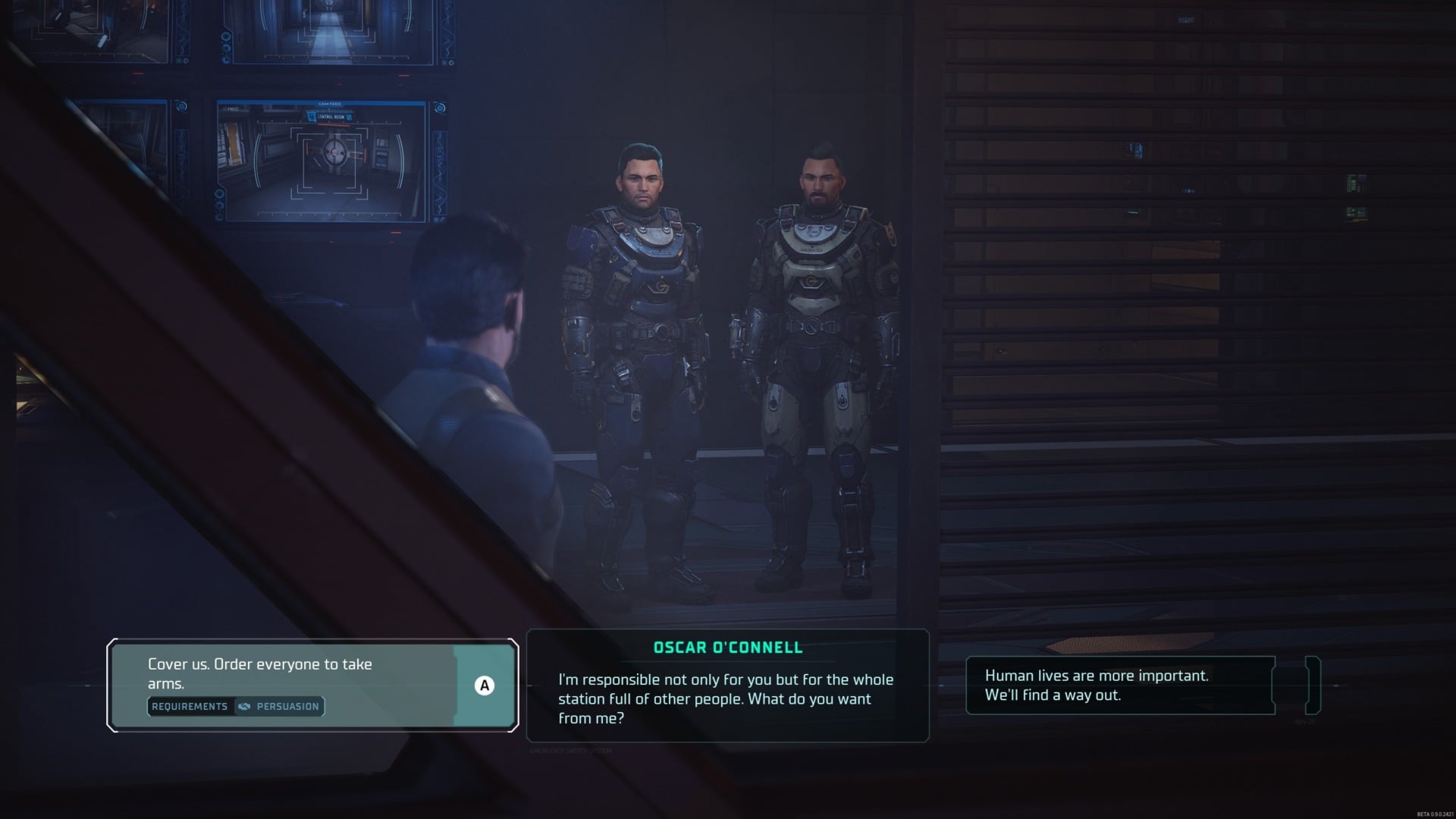
At just one curated mission in a game expected to last around 30 hours, the beta is too small to really tell just how deep Osiris Reborn will go with the ways you can influence its narrative and its mechanics. It can be completed in an hour or so, and while you can replay with different character presets and it is a fun time, it’s not really enough to warrant throwing down at least $80 for a fancy edition of the game that comes with access, or even more than that if you spring for the almost $300 collector’s edition. There’s not enough to see how your choices will affect your dynamics with your party members and the broader narrative here (for example, playing as an Earther didn’t come up in any dialogue or choices outside of a few combat barks), but what is here makes it clear that Owlcat has not entirely dropped its RPG legacy to pursue AAA glitz with Osiris Reborn.
If the full game can build on the potential shown in this slice, and really show how its systems and skills-based interactions can propel the slick visuals and action from underneath the surface, Osiris Reborn could be more than just a compelling curiosity for Expanse fans looking to revisit that rich world—it could go one step further than its guiding light in Mass Effect and strike a much better balance of action shooter and deep RPG along the way, too.
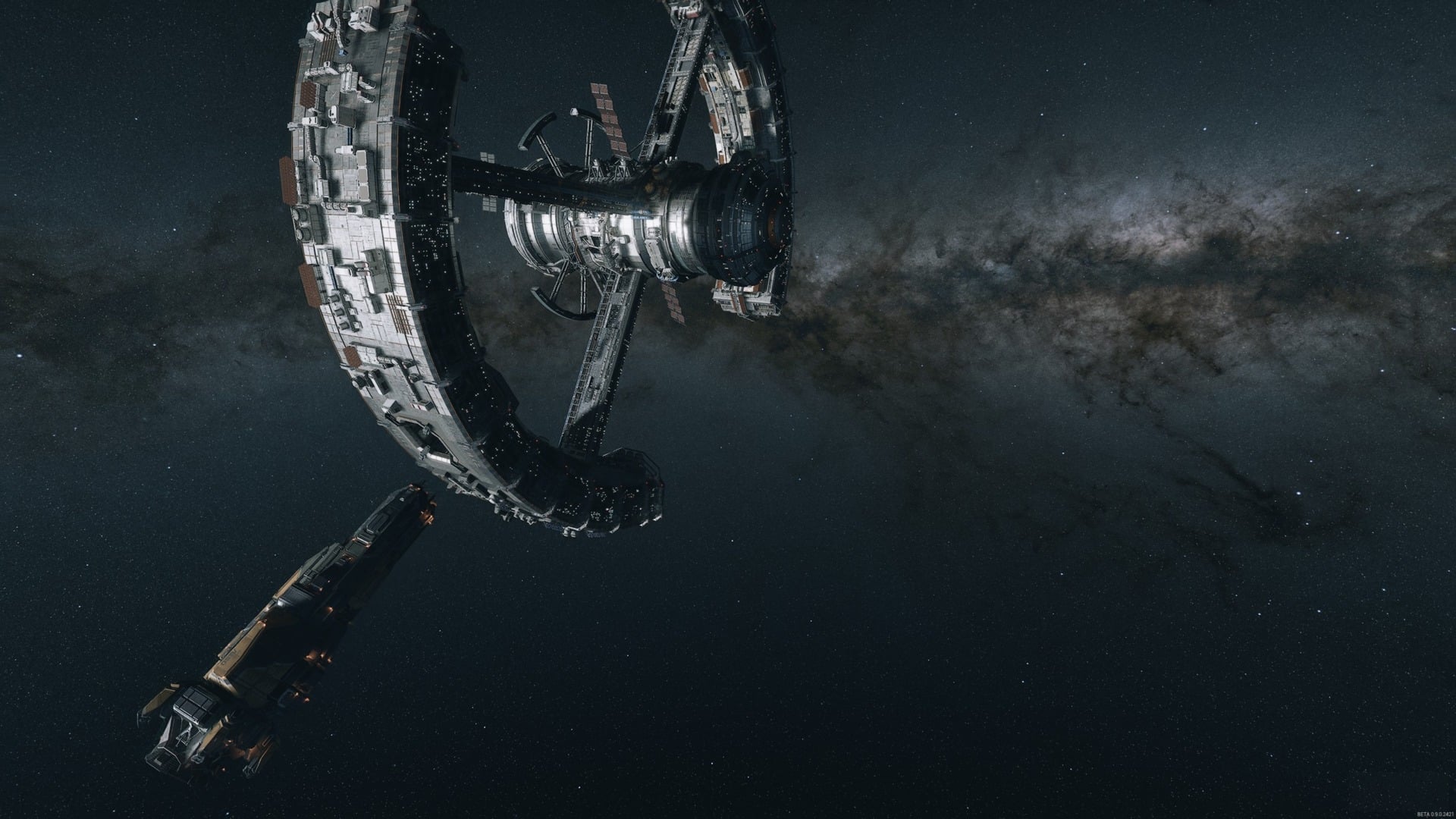
The Expanse: Osiris Reborn beta will open up to players who have preordered the Miller’s Pack or Collector’s Edition bundles starting today, April 22. The full game is expected to release spring 2027 for PC, Xbox Series X and S, and PlayStation 5.
Want more io9 news? Check out when to expect the latest Marvel, Star Wars, and Star Trek releases, what’s next for the DC Universe on film and TV, and everything you need to know about the future of Doctor Who.