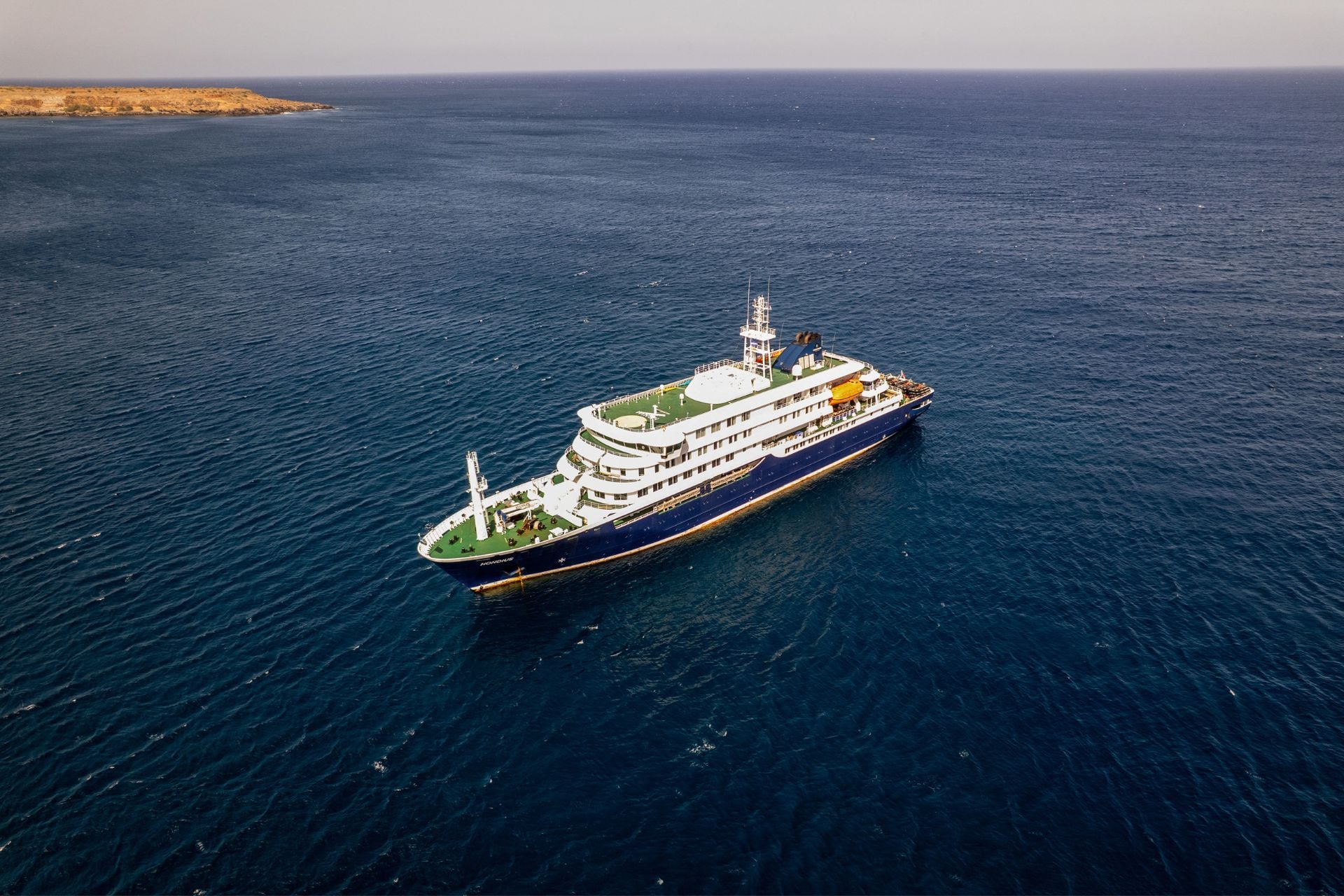
The hantavirus outbreak that began on the MV Hondius is still at risk of spreading further.
On Thursday morning, Dutch health officials reported a potential case linked to an infected 69-year-old Dutch woman who briefly boarded a flight set for the Netherlands. The person, a flight attendant on that plane, is currently experiencing mild illness but has been hospitalized out of precaution. Officials are still awaiting testing to confirm whether the person is infected or not.
“WHO is aware of reports of other people with symptoms who may have had contact with one of the passengers. In each case, we are in close contact with the relevant authorities,” said World Health Organization Director-General Tedros Adhanom Ghebreyesus at a press briefing held Thursday.
Secondary cases?
As of early May 7, there are five confirmed and three strongly suspected cases of hantavirus tied to the Hondius, according to the WHO. These cases are being caused by the Andes virus, a species of hantavirus known to be capable of spreading between people (hantaviruses are typically caught through contact with infected rodents or their droppings).
All of these cases so far have occurred among people who were aboard the cruise. The first case, a male Dutch resident, fell ill on April 6, dying four days later. His close contact, the Dutch woman, began feeling sick roughly two weeks later. She left the cruise on April 24, arriving on the island of Saint Helena in the South Atlantic Ocean. From there, the woman boarded a short flight to Johannesburg, South Africa. On April 25, she attempted to take a KLM flight from Johannesburg to the Netherlands, health officials say, but flight staff asked her to leave the plane due to her illness. A day later, she died at an emergency room in the area, and testing later confirmed she had hantavirus.
The flight attendant was aboard the second KLM flight. According to the Dutch Ministry of Health, the person is now being isolated with mild illness at the Amsterdam University Medical Center, while testing is underway to confirm their infection status.
If the attendant does test positive, it would be the first known secondary case of the outbreak transmitted outside of the cruise ship. Several media outlets reported yesterday that a French resident who shared a flight with the Dutch woman was suspected of having hantavirus. However, a spokesperson for the WHO told Gizmodo Wednesday that they had not confirmed this. It now appears this report was the result of a translation error, since other outlets have reported that French officials detected a “contact case” linked to the flight, likely only meaning this person is being monitored out of precaution, not because they were actively showing signs of infection.
On Wednesday, three sick people aboard the Hondius were medically evacuated. As of now, according to WHO officials, all the remaining passengers and crews are not showing illness, and the ship is expected to dock over the weekend in the Canary Islands (despite ongoing protest from the local government).
But further cases could certainly happen. Roughly 40 passengers are believed to have departed the cruise and arrived on Saint Helena at the same time as the Dutch woman, the Associated Press reported Thursday. And because it can take a relatively long time for people to fall ill following exposure, officials are trying to track and monitor these passengers and the people they may have come into contact with.
“Given the incubation period for Andes virus, which can be up to six weeks, it’s possible that more cases may be reported,” said Adhanom Ghebreyesus on Thursday.
All that said, health officials continue to say that the outbreak poses a low risk to the general public.