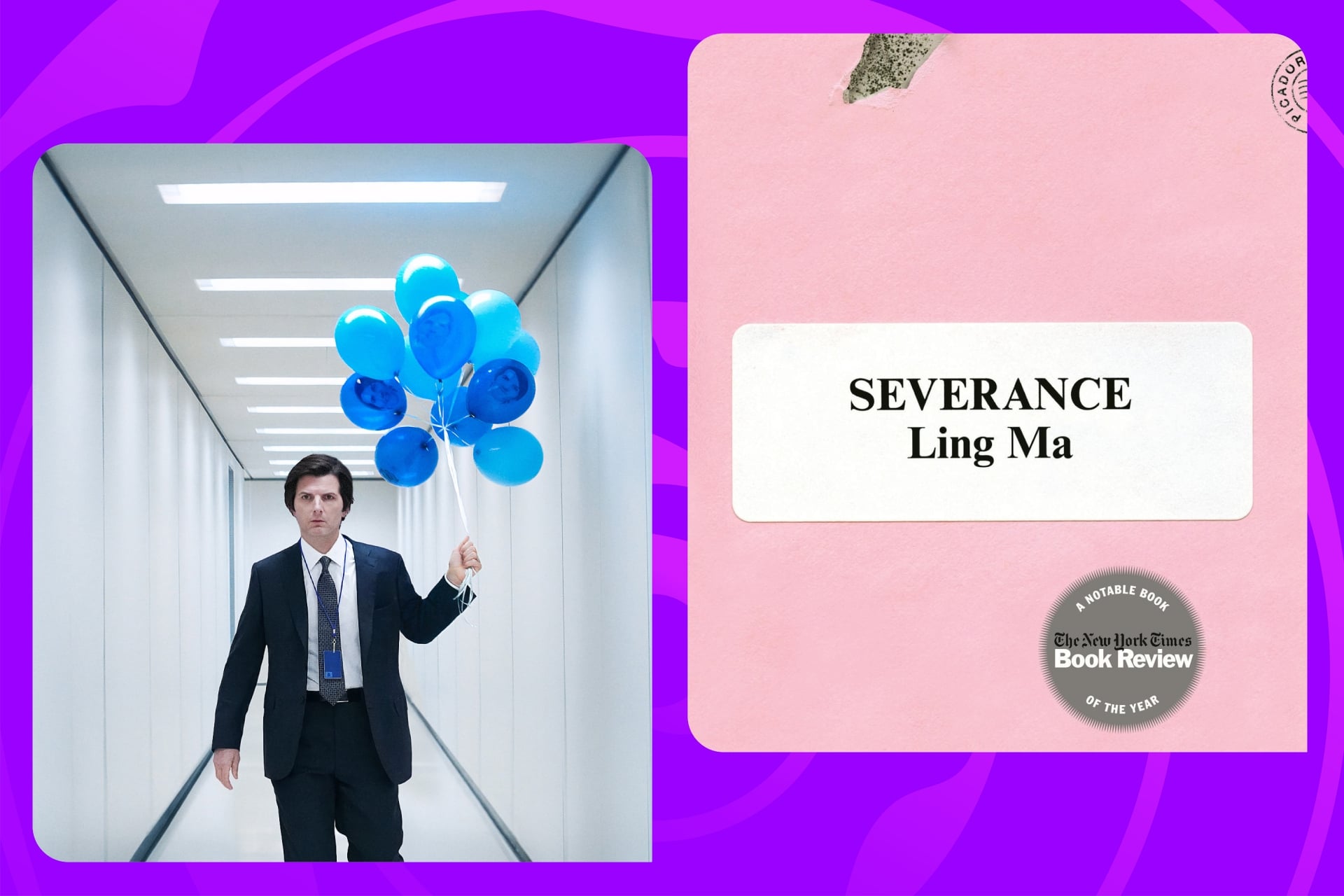
There’s a special kind of adversity in having a famous namesake. It’s an existential crisis, and only a rare few avoid becoming a “not to be confused with” footnote on Wikipedia (shout-out to Michael B. Jordan and James Cameron’s Avatar).
Severance wasn’t so lucky.
I’m not talking about the prestige Apple TV series. I’m talking about the debut novel by my fellow Chicagoan Ling Ma, which not only predates the show but deserves just as much mainstream attention.
As it happens, the two Severances share more than just a name. Both works tinker with memory as their core theme. While the Adam Scott show wrestles with the surreal scenario of splitting one’s consciousness between “innie” at the office and “outie” at home, Ma’s 2018 novel is a clever reimagination of the zombie apocalypse through the lens of millennial burnout.
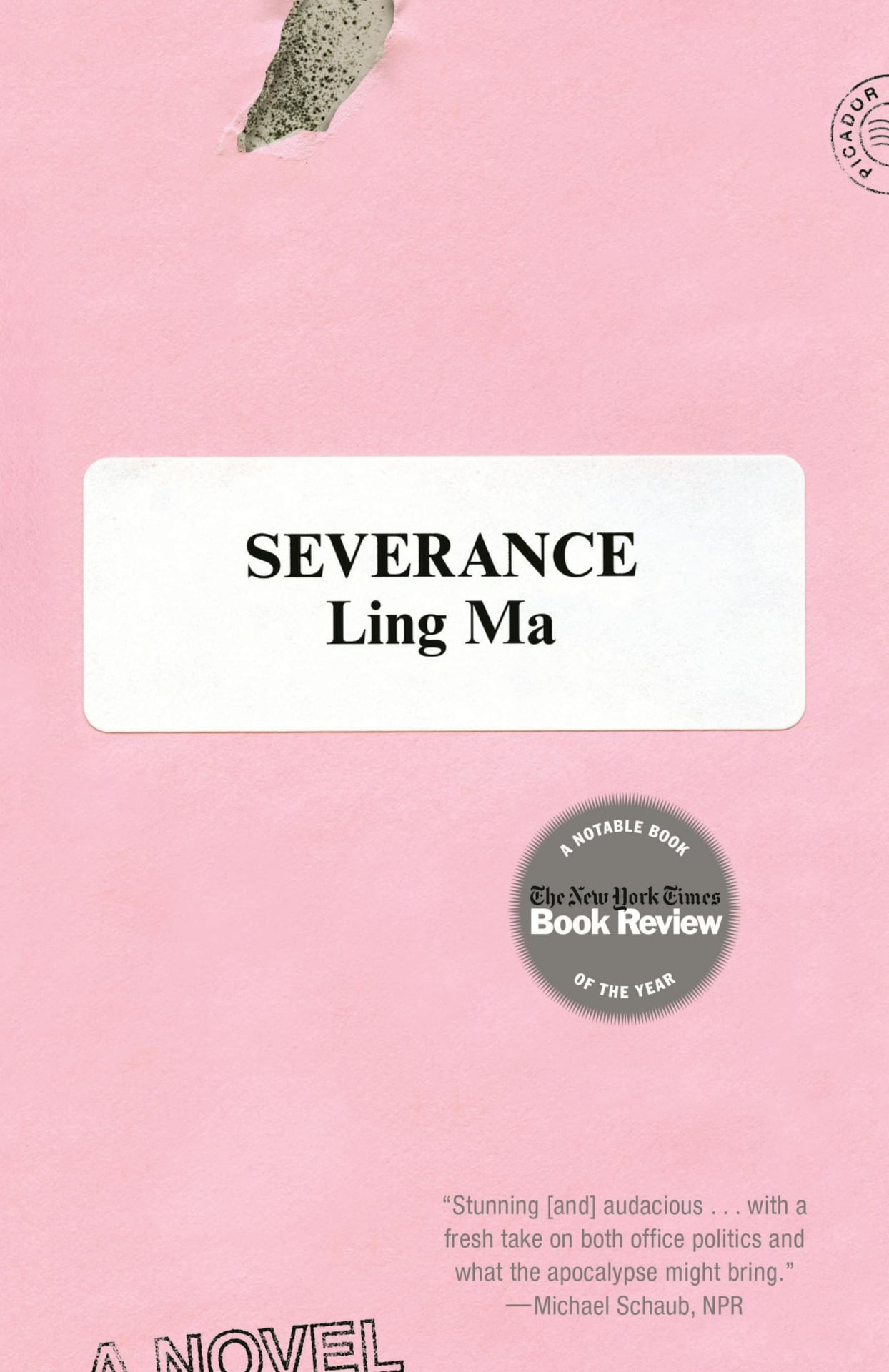
Severance follows Candice Chen, a Manhattan-based book printing coordinator, who is so self-quarantined in the mundanity of her office life that she barely notices a global pandemic called Shen Fever plunging the world into ruin. Shen Fever is kind of like the infection in The Last of Us, in that it originates as a fungal disease. However, Shen Fever doesn’t turn people into rampaging mushroom zombies. It behaves like zombie-ant fungus, trapping its victims in memory-induced trances where they compulsively pantomime tasks like brushing their teeth and folding laundry until their bodies rot.
The novel ping-pongs between Candice’s banal pre-apocalypse life and her dire post-apocalyptic existence with a troupe of “immune” survivors trekking toward a facility rumored to hold a cure. Naturally, the journey ahead of her is riddled with as many hardships as her old life. Chief among them are infighting with her hierarchical quasi-religious group, deadly encounters with “fevered” on supply runs, and the constant threat of being one daydream away from becoming one of them.
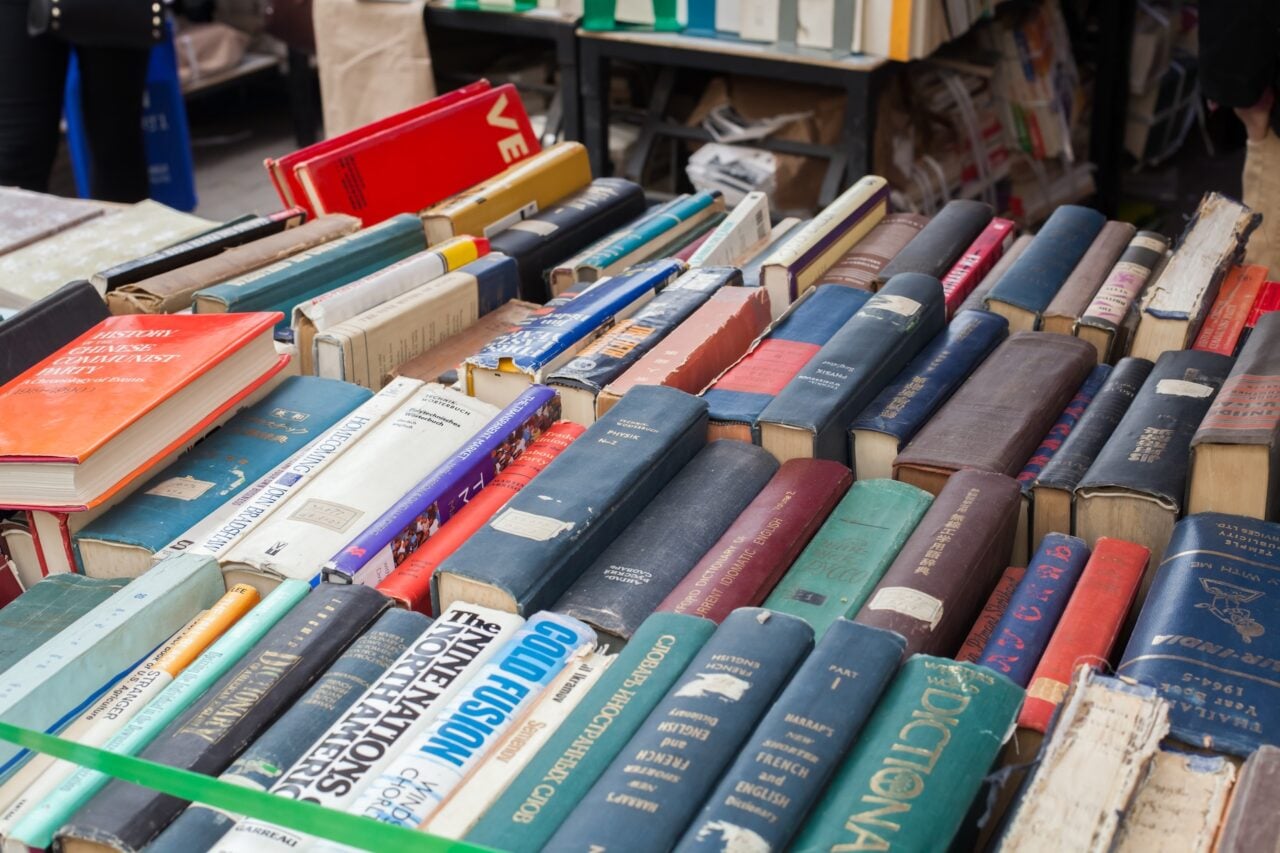
Personally, I owe a lot to Severance for being one of the two books that reignited my passion for reading novels back in 2023. In my Letterboxd-coded Goodreads review, I described Ma’s witty, satirical prose as “very seasoned.” Honestly, that’s an understatement. Finding the book while wandering a bookstore felt like its own kind of magic. And when I curiously cracked it open, I stood no chance. Ma’s writing is sharp, sardonic, and genuinely funny, yet still carries a quiet weight of melancholy from the very first page.
One reason why I fell in love with Severance is that I vehemently related to Candace’s hellscape. I was in the middle of my own severance period after being laid off from my first salaried writing job post-pandemic. Apparently, Ma and I are kindred spirits on that front: according to the New Yorker, she wrote Severance while living off severance pay after being laid off herself. Kudos to her for sticking to its title, even if the Ben Stiller show is now dominating Google searches.
Another reason the novel captivated me was the way it depicted the mundanity of Candice’s life before and after the end of the world. Anyone who’s read Severance will immediately clock how uncanny it felt to read it in the aftermath of the pandemic. Speaking to PBS, Ma acknowledged the surreal experience folks like me must have had reading Severance, panicking with every news update on the pandemic, only for our faces to go the way of Stonehenge toiling away on our little tasks, working from home. It was almost like a Simpsons-esque premonition of what life during covid would become, with how it captured the strange mix of nostalgia, denial, and anticlimax that settled over the world once we realized the trappings of everyday capitalism weren’t all that different from a zombie apocalypse.
It also doesn’t hurt that I picked up Severance right after finishing another excellent sci-fi novel about memory: Yoko Ogawa’s The Memory Police.
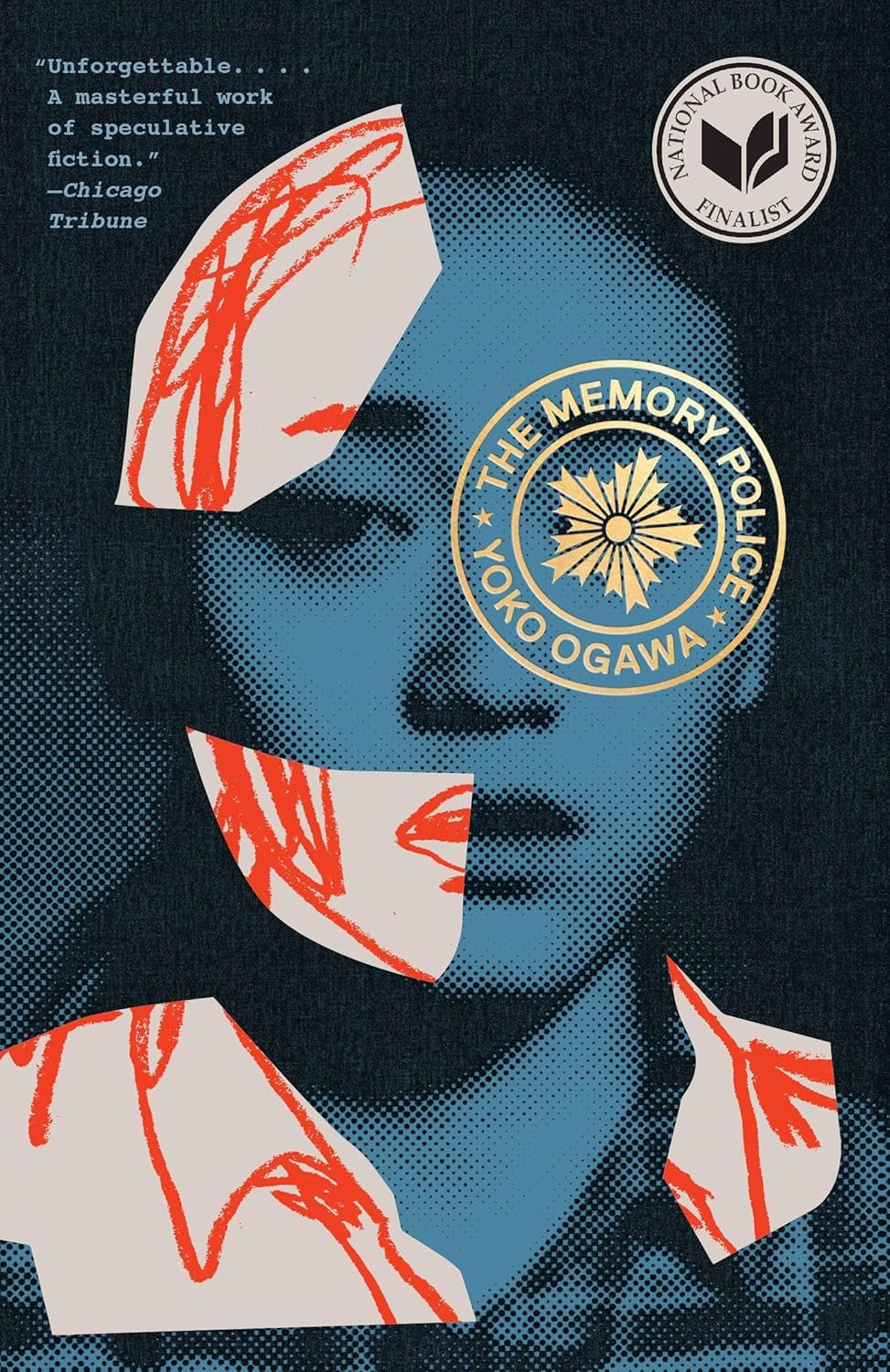
Ogawa’s 1994 novel is good shit in its own right. Its haunting tale reads like Clair Obscur: Expedition 33 fused with Chainsaw Man, Ray Bradbury’s Fahrenheit 451, and George Orwell’s 1984. It takes place on an island where people wake up unable to remember the names of objects, such as birds or roses. Every day, its citizens are tasked with destroying those objects by burning them in a pyre or casting them into a river and going about their merry, ignorant way. While most people are fine with accepting their dystopian way of life, “immune” folks, like the book’s unnamed protagonist, live in fear of being rounded up and disappeared by… well, the Memory Police.
Reading The Memory Police and Severance back-to-back was the literary equivalent of the time I, in my infinite wisdom, double-featured Celine Song’s Past Lives and Park Chan-wook’s Decision to Leave on my flight to and from San Diego (don’t do this unless you want to be big depressed). They complement each other exceedingly well as sci-fi novels, and I’ve been chasing the high of that experience ever since.
While the existence of Apple TV’s Severance makes it nearly impossible to expect a Hollywood adaptation of Ma’s debut, I’m perfectly fine with it never having one. Books aren’t made legit because they’re adapted, after all. Plus, the fact that they share a name means I can continue “um, actually”-ing folks who keep bugging me about finally watching the show by recommending Ma’s book. Keeping it a buck, though, it doesn’t hurt knowing that The Memory Police has a film adaptation in the works starring Lily Gladstone.
So if you’re in need of a pair of sci-fi books that play with romance, nostalgia, and the dystopian and authoritarian power memory wields, I highly recommend giving Severance and The Memory Police a read.
Want more io9 news? Check out the best movies and TV shows to stream this month and all the upcoming sci-fi, fantasy, and horror books that should be on your radar.