As the name implies, the late Iron Age prompted huge advances in iron production and fabrication across different cultures. That said, archaeologists struggled to determine the exact scale and pathways of the iron trade in Europe, as iron is easily corroded and difficult to date. But that may now change, thanks to a discovery that researchers call a “minor miracle.”
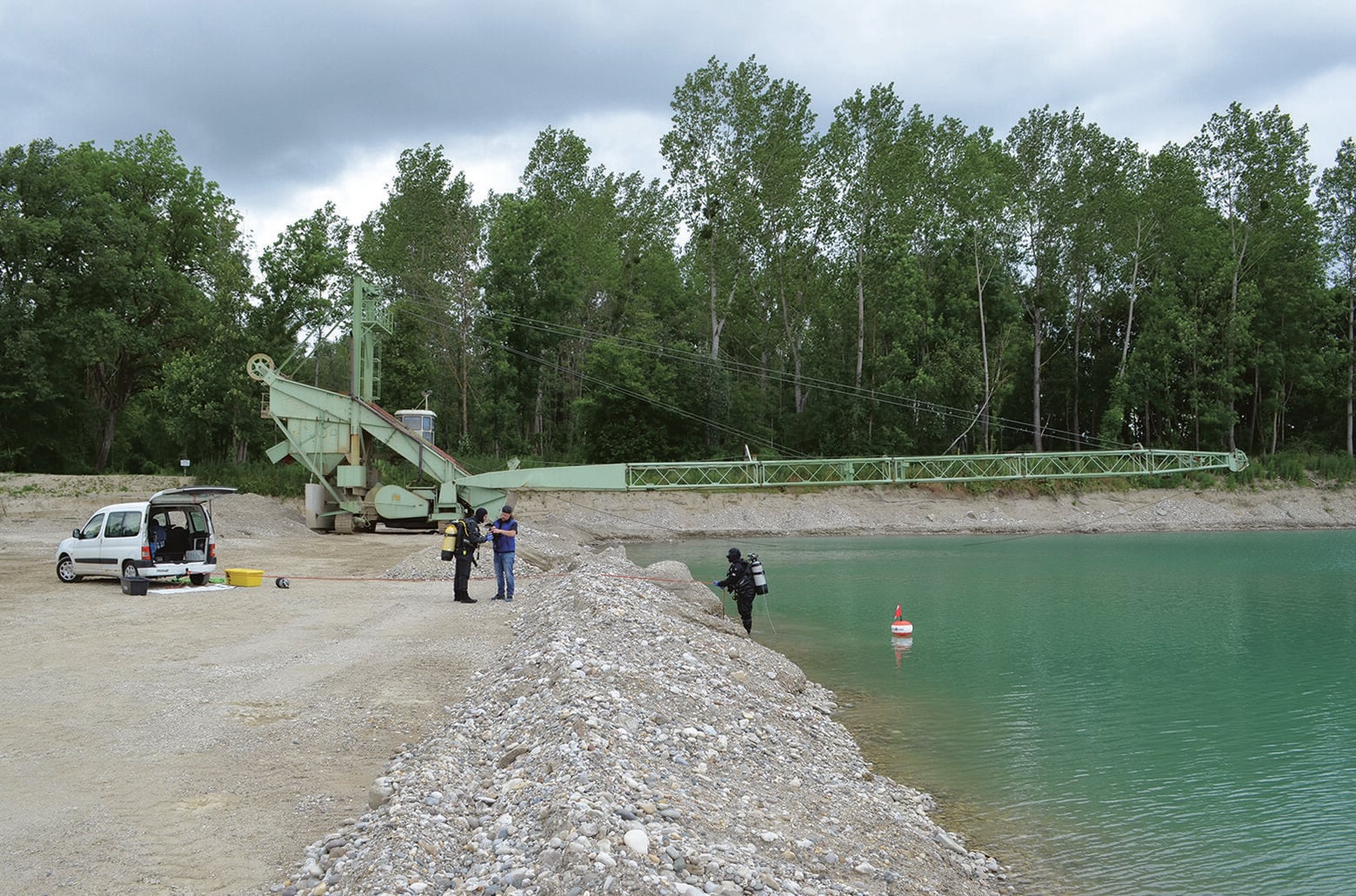
In spring of 2019, workers cleaning up gravel in Deinham—an Austrian municipality located along the Danube River—noticed that their excavator kept pulling up odd, double-pointed iron objects. They reported their findings to authorities, who dispatched a team of experts to investigate. What the archaeologists found was shocking: 540 fragments of double-pointed iron bars, a style of iron fabrication that was widely circulated in the European Iron Age. An analysis of this collection was published today in the journal Antiquity.
Peter Trebsche, the study’s first author and an archaeologist at the University of Innsbruck in Austria, told Gizmodo that this was the “largest known mass find of iron bars” in Europe. It’s surprising that such a large quantity of iron—around 1 ton—was “transported at once and was available in a single exchange transaction,” he added.
Rusty treasures
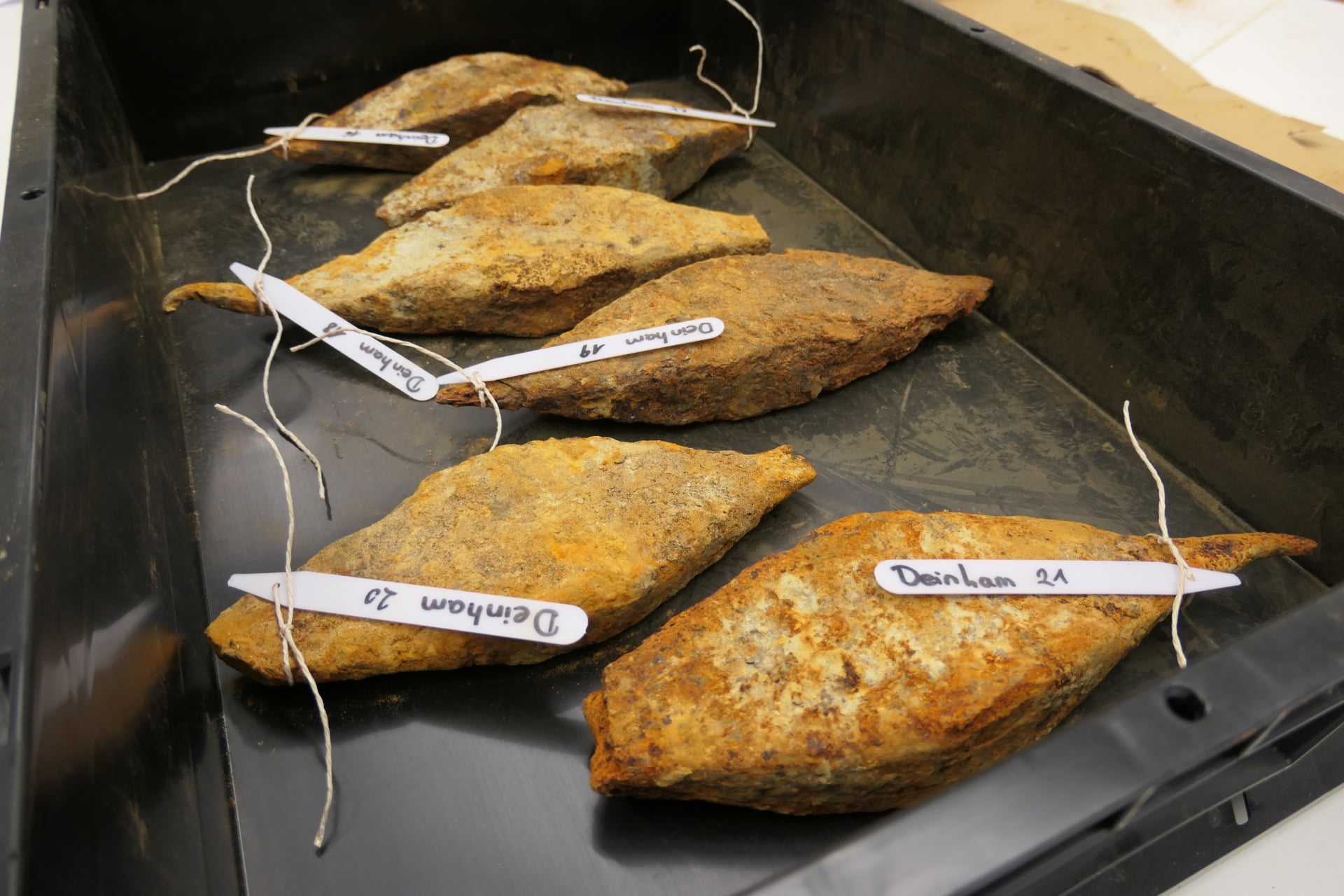
According to the paper, the Deinham trove consists of 540 fragments of double-pointed, or bipyramidal, iron bars. There were also 90 other artifacts from a wide range of periods, as early as the 8th century BCE and as recent as the 1900s. Trebsche told Gizmodo that the bars were roughly 11 inches (28.5 centimeters) long and weighed between 3.5 and 5.3 pounds (1.6 and 2.4 kilograms). The bars are shaped somewhat like a willow leaf, with one pointed and one flat end, he added.
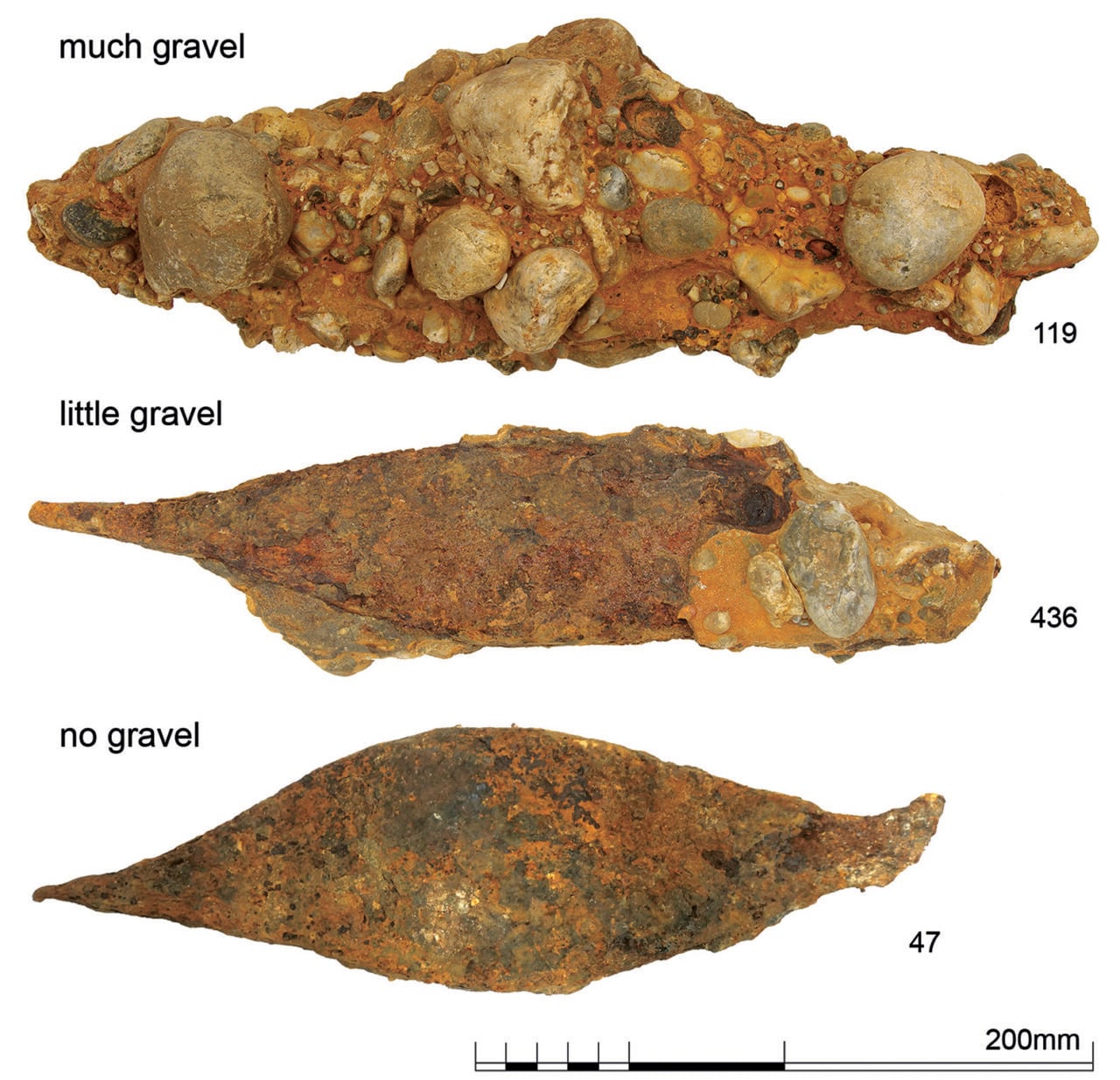
“A major challenge was the fact that most iron bars were still covered with gravel and sand, which we were not able to remove,” said Trebsche. “Fortunately, about one third of all bars had already been ‘cleaned’ by the gravel crusher in the gravel plant.”
Radiocarbon dating of the bars indicated they came from the La Tène period (between 450 and 1 BCE), which refers to the Iron Age culture in modern-day central and western Europe that existed prior to Roman conquest. Currently, the team can’t say for certain how such a large stash of iron ended up at the bottom of the Danube. However, based on similar discoveries, it’s likely that it was being transported down the river for trade and ended up sinking in a shipwreck.
Um, yikes?
Another goal of the study was to estimate the value of this iron trove, Trebsche explained. The iron bars were popular semi-products, or partly manufactured items meant to be forged into a finished product. This has huge implications for the collection’s value. For example, one ton of iron is enough to make roughly 500 swords with an average weight of 3 to 4 lbs (1.5 to 2 kg), according to the paper.
One ton of iron could also produce 8,000 iron nails. Theoretically, that many nails could “fix the entire wooden framework in the southern wall” of the nearest oppidum, a type of fortified village from the European Iron Age, the paper explained. The overall logistics of transporting this much iron implies that a trading partner would have had to offer equally valuable goods, such as a dowry, military service, slaves, cattle, or other valuable metals like gold and silver, according to the study.
Stay tuned
To say that the shipwreck was a huge financial loss would be an understatement, but at the same time, this also speaks to increased capacities not only of iron production but also the scale of trading networks in this era, Trebsche said.
“It is fascinating to observe how the monetization facilitated, or perhaps even provoked, transactions of this scale,” he added.
Given the sheer size of the iron trove, the team is still hard at work analyzing the samples. There are several unanswered questions to explore, according to Trebsche. For instance, were the bars produced in a single workshop? How and where did ironmakers source their iron? Answering these questions will hopefully shed more light on the technology and trade organizations from the era.