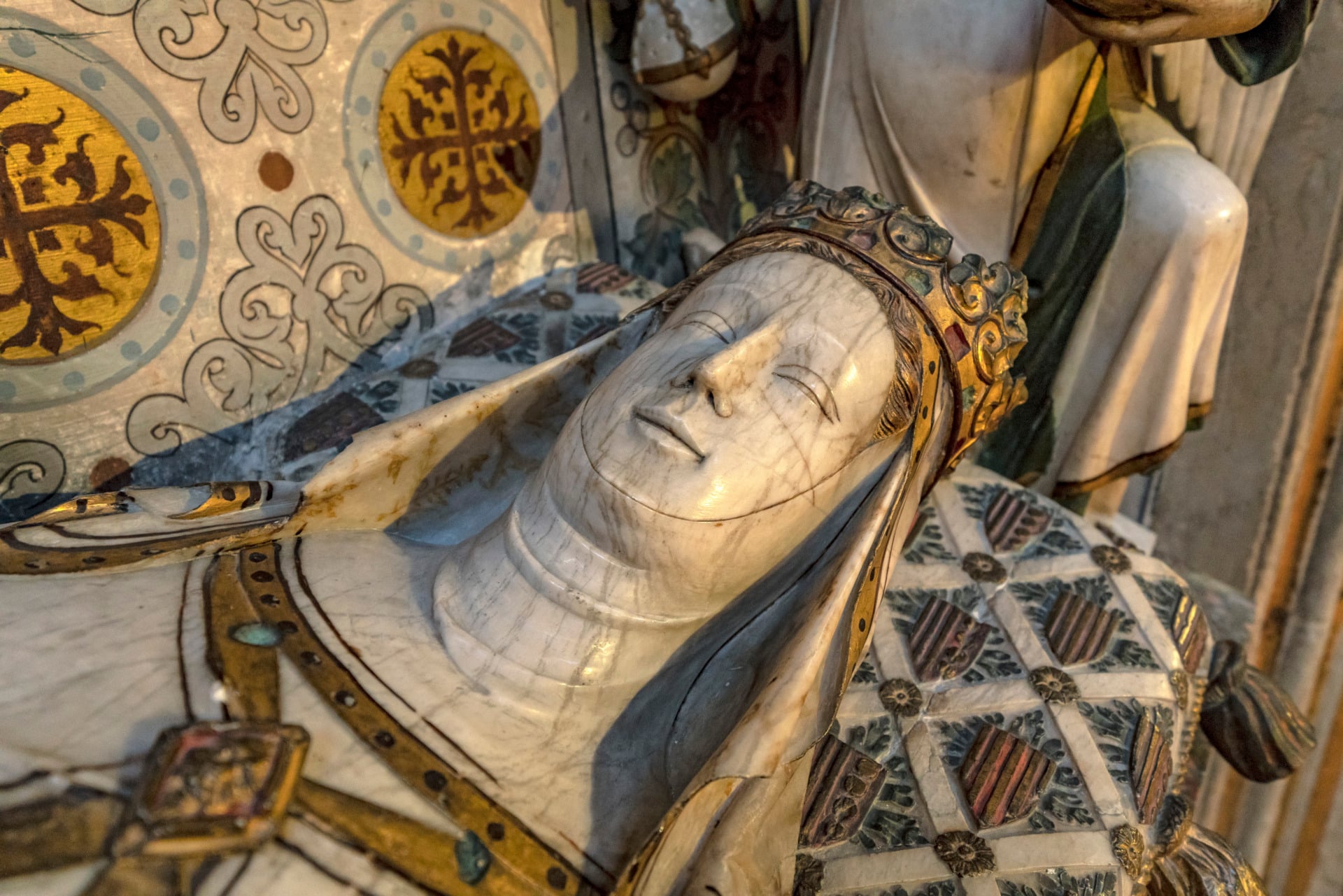
In 1327, Queen Elisenda of Aragon founded the Royal Monastery of St. Mary of Pedralbes, which also became her final resting place. For the 700th anniversary of the monastery, archaeologists embarked on a formal excavation of the gravesite. What they ended up finding wasn’t what they expected at all.
The tomb did, in fact, contain skeletal remains consistent with what was known about Elisenda of Montcada. Elisenda’s bones were placed in a medieval wooden box adorned with silk and tinsel, according to a translated statement from the Culture Institute of Barcelona (via Google Translate). But the real surprise came from the seven other graves opened for the anniversary. A tomb thought to belong to Aragonese knight Artau de Foces held remains of three infants and two young women, whereas another, attributed to Elisenda’s niece, contained bones from at least nine other individuals.
“It is a qualitative leap, because until now we had only been able to study this through the evidence that has survived, such as this historic building, the queen’s own tomb or the heraldry,” Anna Castellano, the monastery’s chief curator, told Catalan News.
A queen’s work
According to the Institute, Elisenda was a “deeply religious” queen who moved to a small palace next to the monastery following the death of her husband, James II of Aragon. A group of Catholic nuns known as the Poor Clares ran the monastery, but Elisenda exercised influence over the community, “on whose behalf she issued four ordinances and to whom she left most of her possessions,” the Institute explained.
Her tomb appears to reflect this close relationship, as archaeological evidence indicates she was buried in austere clothing “probably linked to a monastic lifestyle,” as per the statement. Further analysis suggested Elisenda died at around age 70, likely from multiple bone diseases.
Reused gravesites?
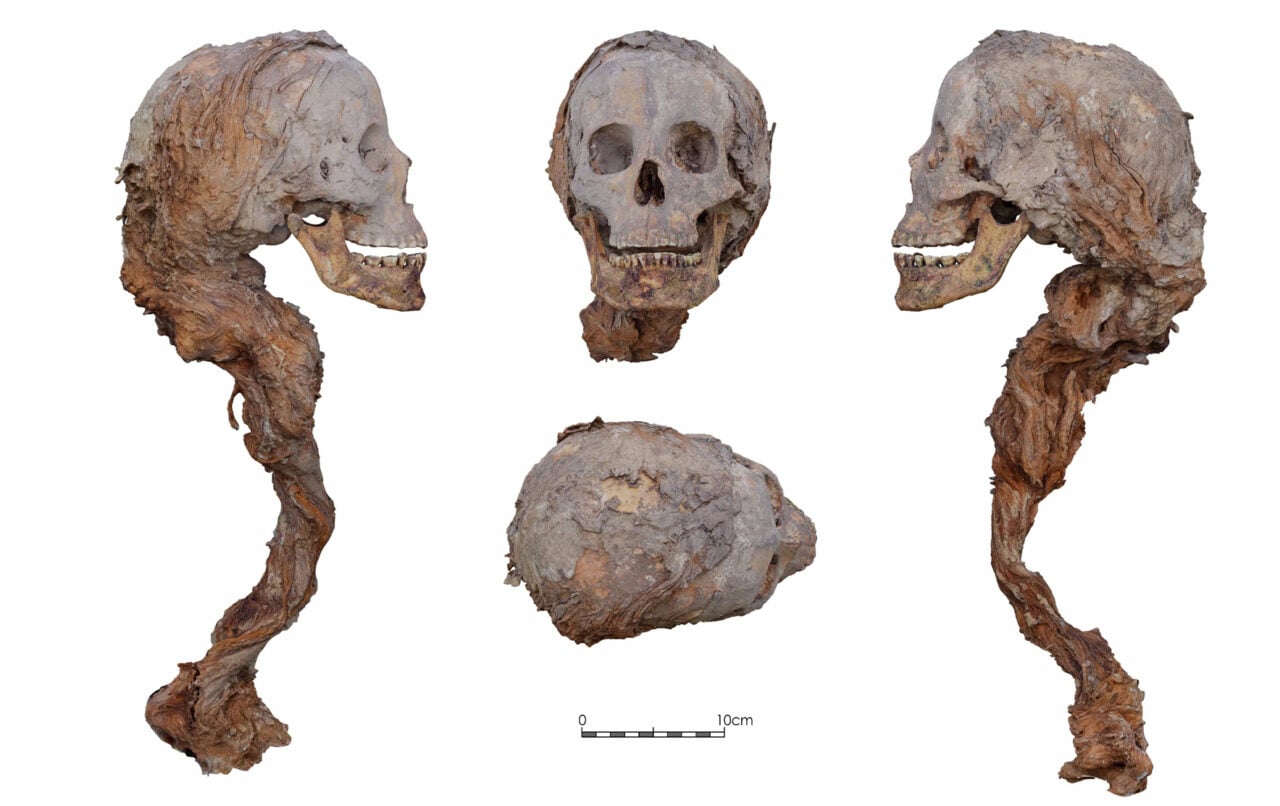
The excavations, which began in late 2024, also opened seven other graves. Notably, researchers couldn’t find any sign of a male individual inside one tomb attributed to the knight Artau de Foces. Meanwhile, a tomb believed to belong to Francesca Saportella, Elisenda’s niece, contained at least nine different individuals—none of them Francesca Saportella—from different time periods, including four males with stab wounds and a mummified torso of a pregnant woman.
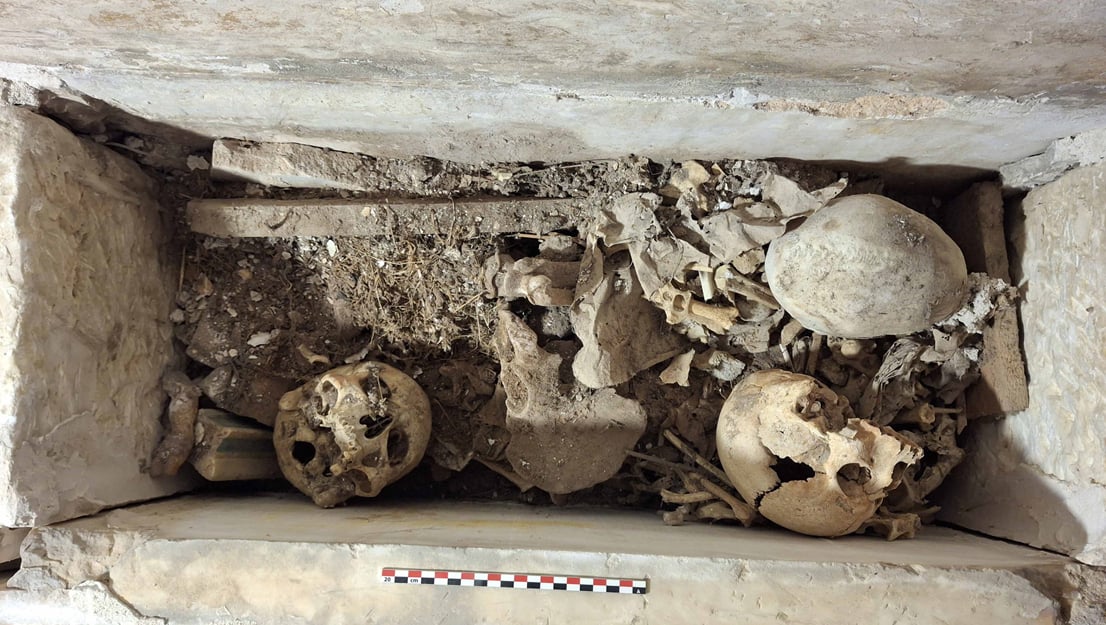
“It was an opportunity to study the physical characteristics of these people and also everything surrounding funerary gestures and burial systems in these types of communities,” remarked Josep Maria Vila, the project’s co-director, to APD.
To be continued
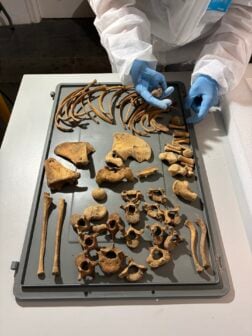
These rather shocking revelations mark the beginning of more research to come. The project is slated to continue until at least 2027. In addition to artifacts recovered from burial sites, the team also collected more than 200 archaeobotanical samples and DNA traces from Elisenda and other individuals.
“Seven hundred years after the foundation of the monastery, many questions remain open,” the statement concluded. “The challenge for the coming year will be to transform these first findings into a complete historical reading that allows us to better understand not only who these people were, but also how they lived, how they died, and how they were remembered.”