Margherita Bassi is a freelance journalist and trilingual storyteller. Besides Gizmodo, her work has appeared in publications including BBC Travel, Smithsonian Magazine, Discover Magazine, Live Science, Atlas Obscura, and Hidden Compass.
Follow Margherita Bassi
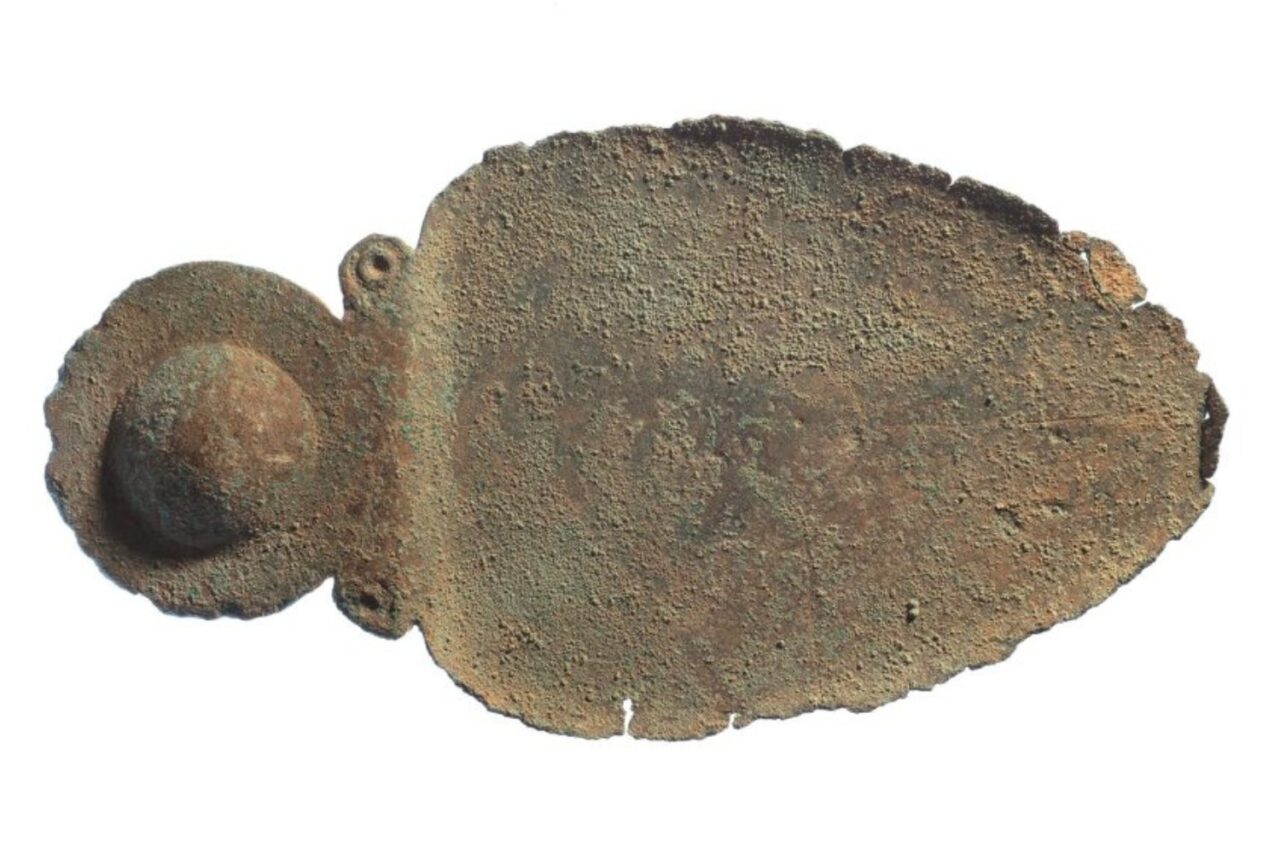
The artifact hints to ancient rituals that may have taken place on the Isle of Man.
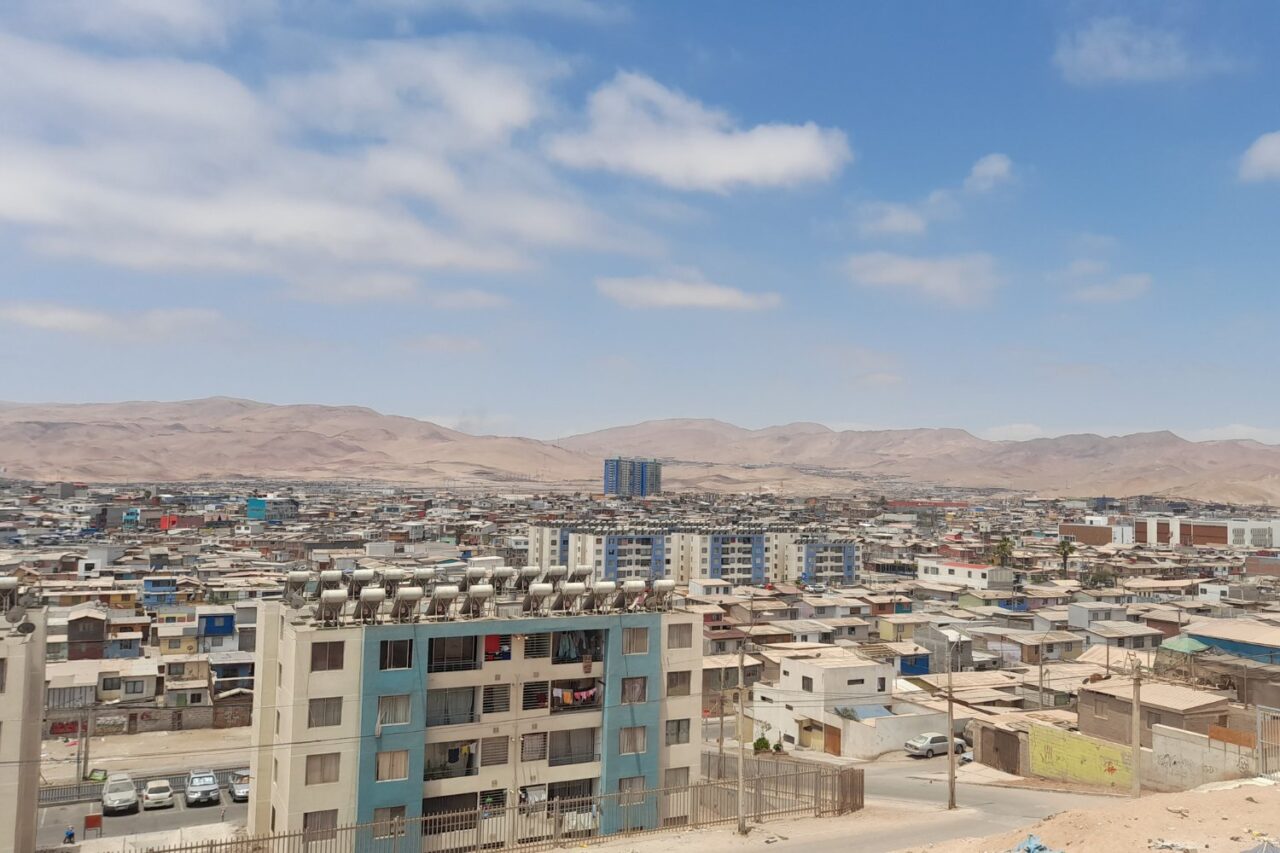
Researchers in Chile have shown that fog collectors could supply enough water each week for 10,000 people living in a desert community.
More than 500 exceptionally preserved fossils are offering new clues about the evolution of Florida's animals and landscape.
The 3D-printed fibers are just 1.5 microns thick, which is up to 100 times thinner than paper.
Composite metal foam performs equally to or better than most conventional metals used in shielding materials, while weighing significantly less, according to new research.
Hundreds of human bones have emerged from the River Thames in the last two centuries, most of them prehistoric.
Researchers have created a solar-powered reactor that collects CO2 by night and turns it into a useful gas by day.
Biological tooth substitutes could provide better alternatives to dentures and titanium implants.
A newly developed machine learning algorithm is taking on math problems that have vexed experts for decades.
Researchers discovered the body of water—now the largest known underground thermal lake in the world—while investigating a column of steam rising from limestone.
A recent study highlights the significance of olfactory heritage in understanding ancient cultures.
Researchers working in Morocco have discovered fly larvae that excel in the art of disguise.
Historical texts, from official records to personal chronicles, are revealing how 16th-century weather shaped Transylvanian society.
Researchers in Poland have found more evidence of violent cannibalism in the wake of the coldest period of the last Ice Age.
The rotation speed and shape of Earth's deepest layer has been experiencing some surprising changes.
In a theoretical study, researchers explored how a twin Earth with human-like life and technology might detect our technosignatures.
Minutes after a magnitude 4.5 earthquake hit Iran on October 5, 2024, rumors swirled that it wasn’t natural—claims that scientists have now shown to be false.
Military personnel and veterans just uncovered more of the U.K.’s most important Iron Age hoard.
A NASA satellite that suddenly reappeared after going silent gets credit for the remarkable discovery—a pair of temporary radiation belts between the Van Allen Belts.
Scientists in Canada have invented an electricity-generating slime that could revolutionize medicine, robotics, and even how we power our steps.