A company dubbed China’s Netflix expects a near-complete AI takeover of film and TV within the next five years.
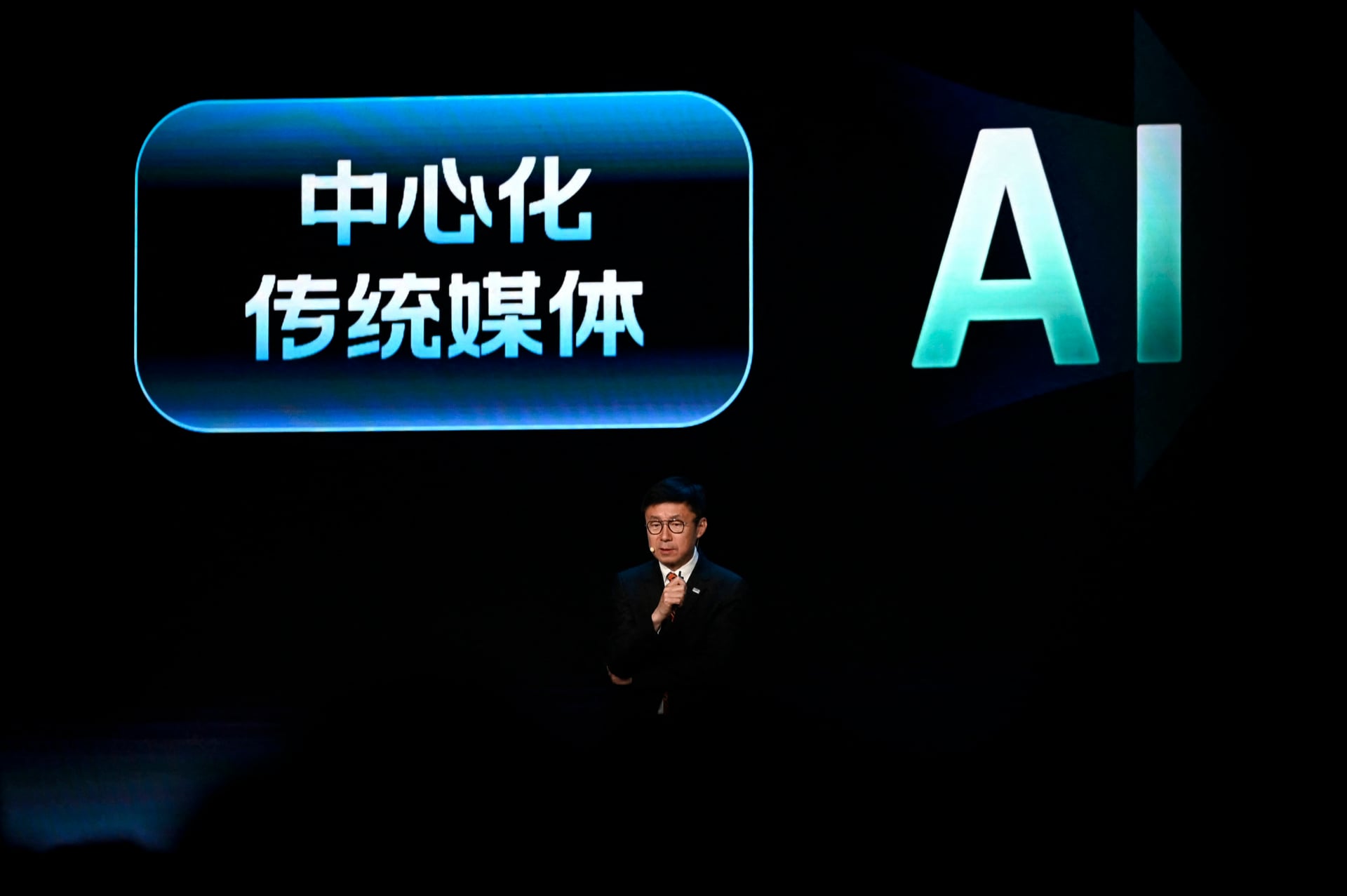
The streaming platform IQiyi plans to have AI create most of its new films and TV shows, per Bloomberg. CEO Gong Yu reportedly shared this at an annual content showcase, alongside an AI toolkit called Nadou Pro that can supposedly automate every step of filmmaking from scriptwriting to final rendering, with the help of AI models from Alibaba and ByteDance for its domestic version and Google Veo 3.1 for an international version.
The company’s goal is to use Nadou Pro to release a fully AI-generated movie that they hope will reach commercial success as early as this summer. IQiyi’s debut slate currently includes 16 AI-generated sci-fi and anime movies, Bloomberg reported.
Over the past year, AI-generated video content has seeped into every corner of the internet. From eerily realistic animal videos that have viewers question their sanity to viral TikToks on the messy love lives of talking fruits, short-form AI video slop is undeniably popular on the internet. But that popularity has yet to translate into any fully AI-generated, commercially successful, and engaging long-form content like movies and TV shows.
Nevertheless, the corporate world is taking notice. Earlier this year, Roku founder and CEO Anthony Wood predicted that “the first 100% AI-generated hit movie” would be released sometime within the next three years.
On the road to achieving that objective, Hollywood started spending big bucks on AI. YouTube introduced AI tools for content creation last September. Last summer, Netflix announced that it had officially begun using AI-generated final footage in shows, the first example that we know of being in the Argentine sci-fi show “El Eternauta.” Around the same time, Amazon MGM Studios launched an in-house team dedicated to building AI tools for film and TV production, and those tools have now reportedly launched in a closed beta program.
While hundreds of industry professionals are alarmed by the rise of AI in Hollywood, some are on board. An upcoming indie movie, “As Deep As The Grave,” stars a posthumously AI-generated Val Kilmer. Artists like Matthew McConaughey and Michael Caine have also sold their voices to AI companies for replication, and famous actress Natasha Lyonne co-founded AI production studio Asteria. Darren Aronofsky, the director known for movies like “Black Swan” and “Requiem for a Dream,” debuted an AI-generated YouTube series about the Revolutionary War earlier this year. Just last week, producers gave The Wrap a first peek at Bitcoin: Killing Satoshi, directed by Doug Liman of Bourne Identity and Edge of Tomorrow fame. The $70 million film is gunning for the title of Hollywood’s first big-budget AI-generated movie.
The results of these experiments have been mixed so far. For one thing, AI video generation is incredibly expensive. So much so that OpenAI had to shut down Sora last month, aka its AI video generation tool that really began the internet craze over AI slop, in an effort to reduce the company’s towering financial commitments ahead of a rumored IPO later this year. With the demise of Sora, a $1 billion Disney investment in OpenAI’s video-generation capabilities was also effectively over.
But whether anyone will be willing to pay for AI-generated content is still up in the air. Users on the internet may have decided that AI videos are fun to watch on an infinite scroll feed like TikTok or Instagram Reels, where the cost of commitment for the viewer is virtually zero as they spend mere seconds on each video, but that does not necessarily mean the AI output is or will be good enough for viewers to pay streaming subscriptions or purchase movie tickets to watch slop on bigger screens.
People are also increasingly more reactive towards AI and the corporate drive to automate human jobs. In an NBC News poll from last month, roughly half of the respondents said they had negative feelings toward AI.