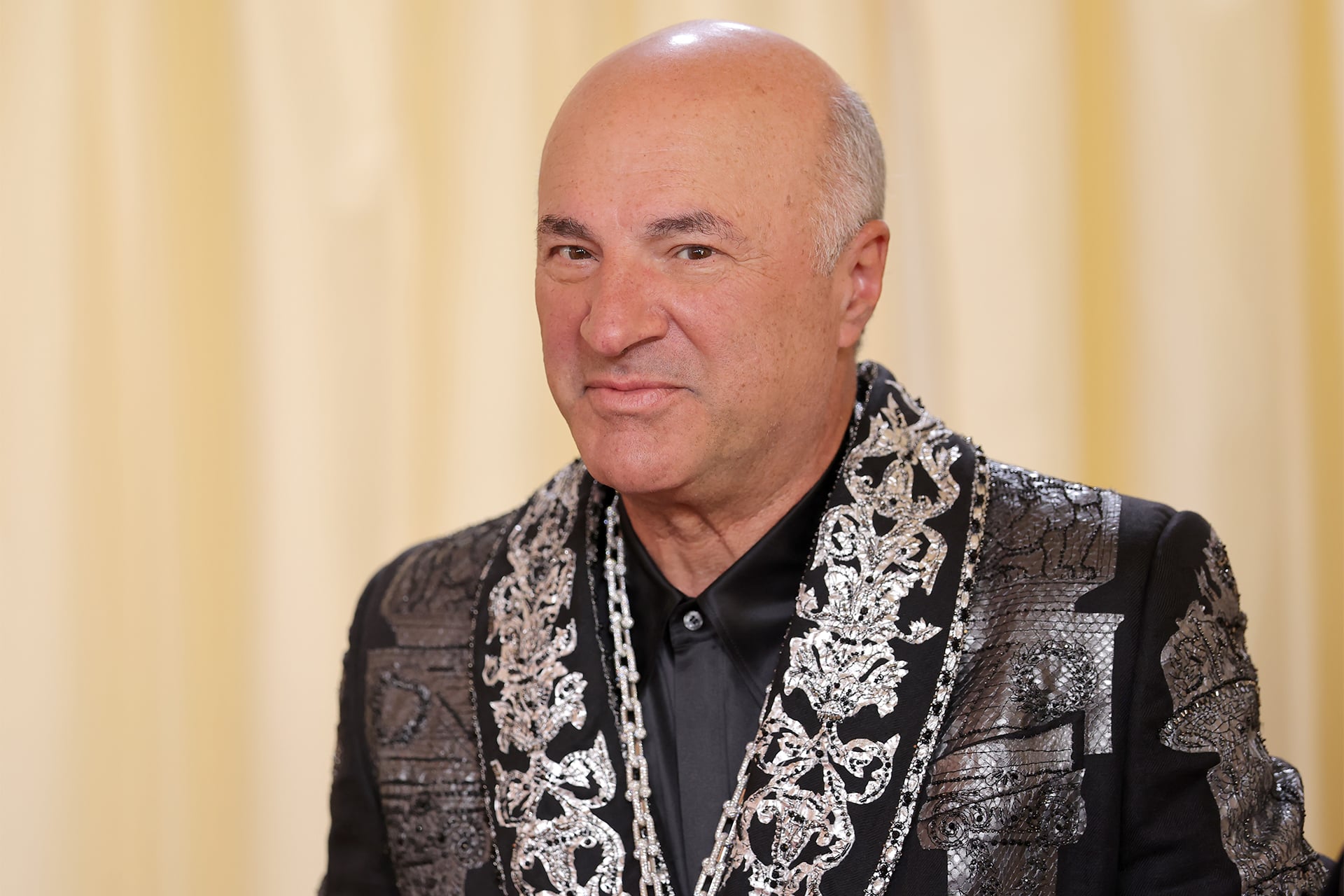
Kevin O’Leary came to Utah with a pitch: He gets 40,000 acres of their land, and they get an ugly, energy-guzzling data center that creates minimal long-term jobs. Utahans said, “I’m out,” but the Shark Tank star isn’t taking no for an answer. Instead, he’s claiming that it’s actually the Chinese Communist Party behind the pushback against his data center project, despite a Washington Post report finding little to no evidence to back those claims.
The data center, called the Stratos Project, is expected to consist of two separate 20,000-acre plots in the Hansel Valley and Locomotive Valley of Box Elder County, which will each host data center clusters. Per the project’s website, the data centers will consume nine gigawatts of electricity, at maximum capacity, which it identifies as “more than twice what the entire state of Utah currently uses.” That is somehow a selling point in the eyes of the Stratos Project. It’ll also reportedly use 619 million gallons of water, according to a report from Deseret News.
The developers also explain that the location was chosen so they can tap into the Ruby Pipeline, a natural gas pipeline that runs through the region. It’ll reportedly cost about $4 billion just for the first phase of buildout and could cost as much as $20 billion by completion, per Utah Money Watch. But all that is worth it, the pitch goes, because the project will help keep “advanced AI computing on American soil.”
That part of the pitch explains why O’Leary, faced with pushback, has pulled the “foreign interference” card. In his mind, the only reason anyone would oppose this project is if they were on the take from China. Earlier this week, he claimed “nefarious accounts out of the country” were driving the backlash against his project. He also directly accused two anti-data center groups of being Chinese plants, claiming on an appearance on Fox News that his “guys” did a “deep dig into the IP addresses” of accounts criticizing his project and found “two cells inside of Utah.” That’s not really how IP addresses work, but sure.
It’s hard to know if there is any legitimacy to O’Leary’s botnet claims without seeing what he claims to have uncovered, but the Washington Post did tackle the veracity of some of his actually verifiable claims and found them to be pretty unconvincing.
For instance, O’Leary claims there is a slush fund of “millions, hundreds of millions of dollars” from foreign adversaries flowing into the pockets of his Utah-based opposition. As proof, O’Leary pointed to documents filed by the Alliance for a Better Utah. But, as the Washington Post points out, they do not show a massive, overseas money machine feeding cash into its coffers. The publication puts the amount of foreign-linked money in the tens of thousands.
Instead, what it seems O’Leary has found is that data centers just are not that popular. A poll commissioned by Deseret News found that 53% of the public either somewhat or strongly opposed the project, compared to just 30% who somewhat or strongly support it. When asked if the data center’s claimed economic benefits outweigh the costs and environmental concerns, about 7 in 10 respondents said no.
Good luck to Mr. Wonderful in convincing a majority of the state that they are tools of the Chinese government. That’ll probably go over really well.