



Nature for nerds
On Wednesday, President Trump announced he was withdrawing the U.S. from the principal treaty for international cooperation on climate change.
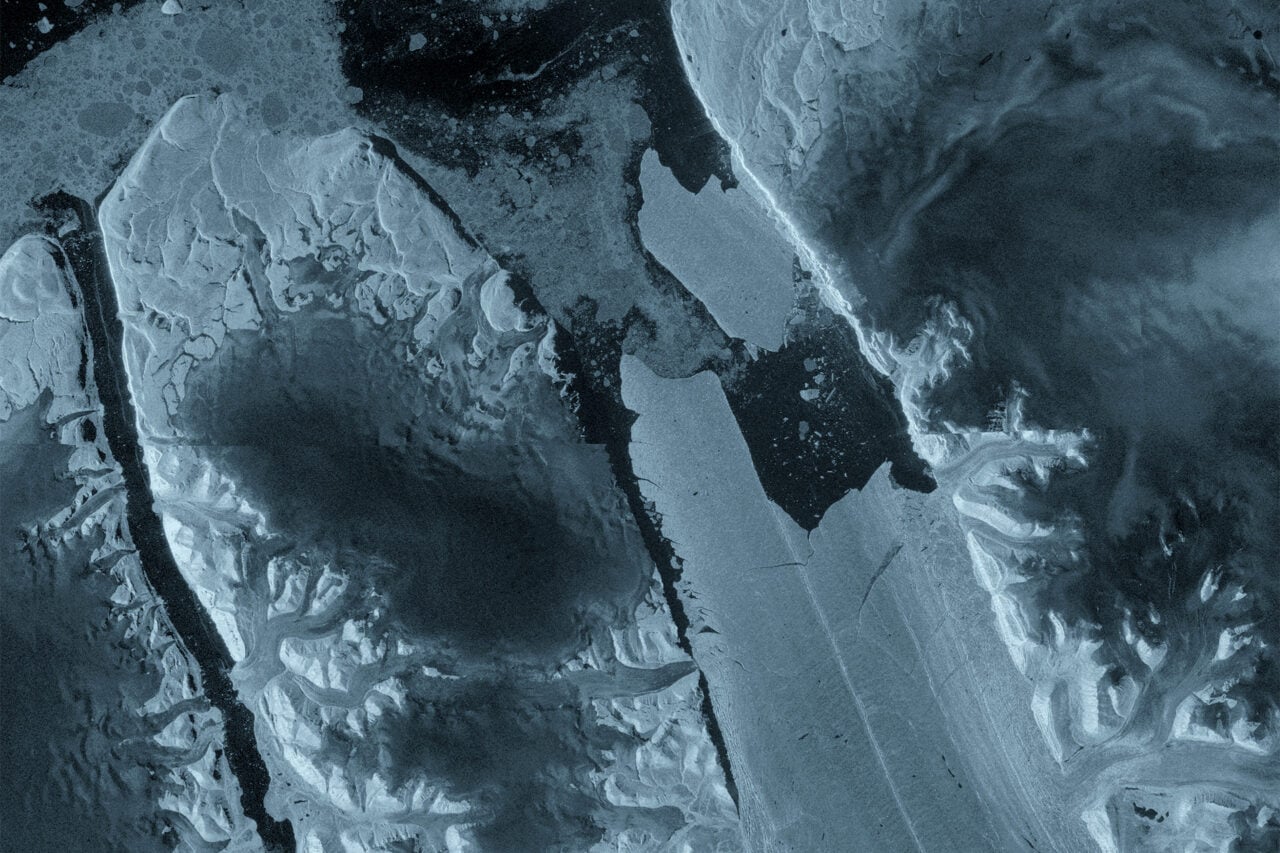
The iceberg could completely disintegrate within days or weeks, scientists say.
A "boring" time period may not have been so boring after all.
The recovered carcass is believed to be a fin whale, the second largest species on Earth.
Climate change is unexpectedly causing north Pacific storms to shift toward the Arctic, throwing projections for future West Coast weather into question.
The 2025 tsunami is shattering old models, thanks to observations from space.
Scientists uncover new evidence of undocumented glacial earthquakes in Antarctica.
A detailed investigation into these strange creatures is finally giving scientists and fishermen valuable clues about when and where they strike.
With no humans to leave behind scraps, this urban bird evolved and developed a longer beak, which shrank again once people came back.
The world’s tallest peak has a serious trash problem. Officials hope a revised cleanup plan could finally make a difference.
A bomb cyclone could dump 1 to 2 feet of snow on the upper Great Lakes, per the National Weather Service.
A new type of lidar is allowing physicists to study cloud tops at a resolution 100 to 1,000 times higher than before.
Don't watch "A Merry Little Ex-Mas" for the cheesy romance. Watch it for the sustainability messages, which shine as bright as LED Christmas lights.
The deepest recorded cold Arctic vent is a living surprise, researchers say.
U.S. electricity consumption is growing for the first time in a decade due to AI, so why are we stunting renewable energy development?
In some areas, the weather could feel more like May than late December.
This process, driven by climate change, is increasing the risk of “Category 6” tropical cyclones making landfall in densely populated areas.
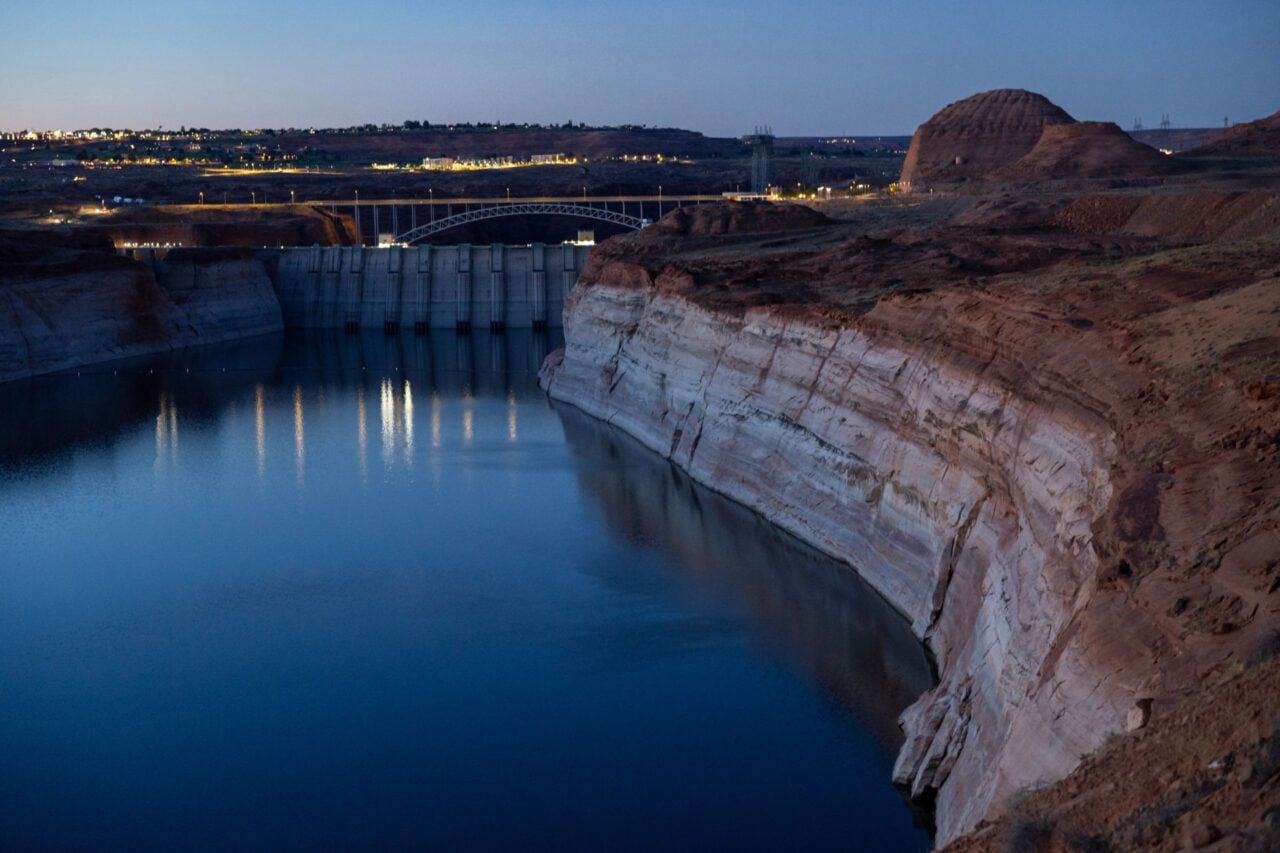
There's never been a giant dam failure in the US modern era, and a team of researchers is looking to keep it that way.
The converging waves swirl until they finally break into a 130-foot pillar of saltwater, in a process that scientists have yet to fully explain.
“The U.S. taxpayers have a right to this data.”