
Nature for nerds
Researchers say a deadly earthquake in Japan and 2023’s most powerful solar flare occurring back-to-back can’t be a coincidence—but other experts say it probably was.
Utilities warn that outages could be prolonged as snow and high winds are interfering with restoration efforts.
A new study lays out the best- and worst-case scenarios for a warming Antarctica. Which one becomes reality is entirely up to us.
The beloved attraction fell victim to a recent surge in destructive storms that have ravaged southern Italy.
The ice sheet may be undergoing thermal convection, resembling a "boiling pot of pasta," according to researchers.
This marks the first time a shark has been caught on camera in these frigid waters.
Scientists aren't fully sure what this means for Antarctica's future, however.
“Our understanding of instabilities—when they grow, how they grow—is important to making fusion work.”
Finally, some snow for the West and warmer temperatures for the East.
President Trump and EPA Administrator Lee Zeldin announced the repeal of the endangerment finding, the legal bedrock for the agency's actions against planet-warming pollution.
When these trees burn, they release massive amounts of carbon, intensifying the very climate crisis fueling these wildfires.
President Trump has legalized commercial fishing in the Northeast Canyons and Seamounts Marine National Monument, which has been federally protected for a decade.
Researchers have released an initial assessment of the emissions data MethaneSat gathered before it suddenly went dark. The findings are damning.
Government and private pest control services have collected roughly 8,000 frozen iguanas from across the state.
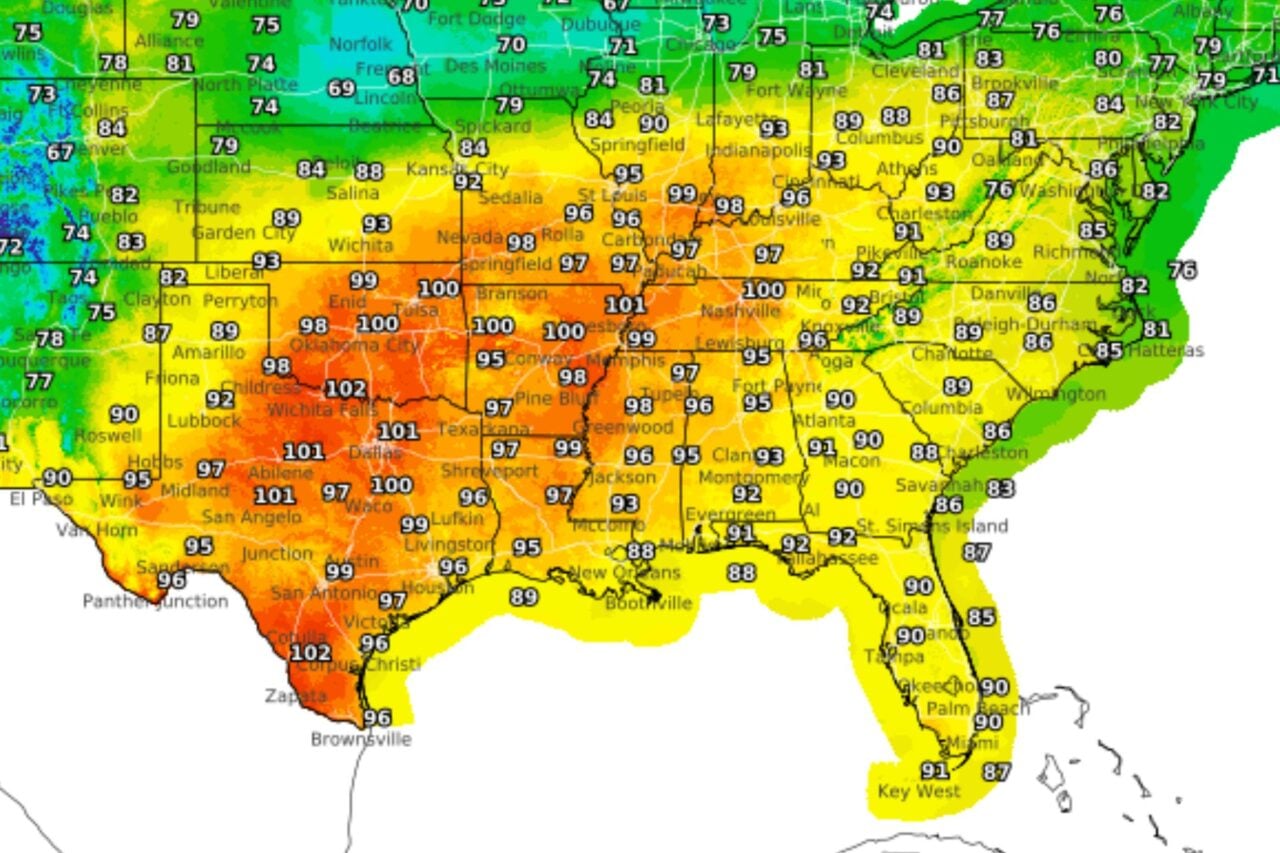
Although the eastern U.S. is facing another frigid weekend, forecast models suggest temperatures will rise significantly in the latter half of February.
We'll give you a hint: It lives underwater, but it doesn't swim. At least, not as an adult.
A project that has been years in the making came to an early halt about 3,000 feet deep in the ice.
Major snowpack deficits could set the stage for widespread water scarcity and heightened wildfire risk across the American West this summer.
Without the blobs, Earth would be “magnetically dead,” the researchers said.
The Green River may have had some help from a dripping crust.